Online Reporter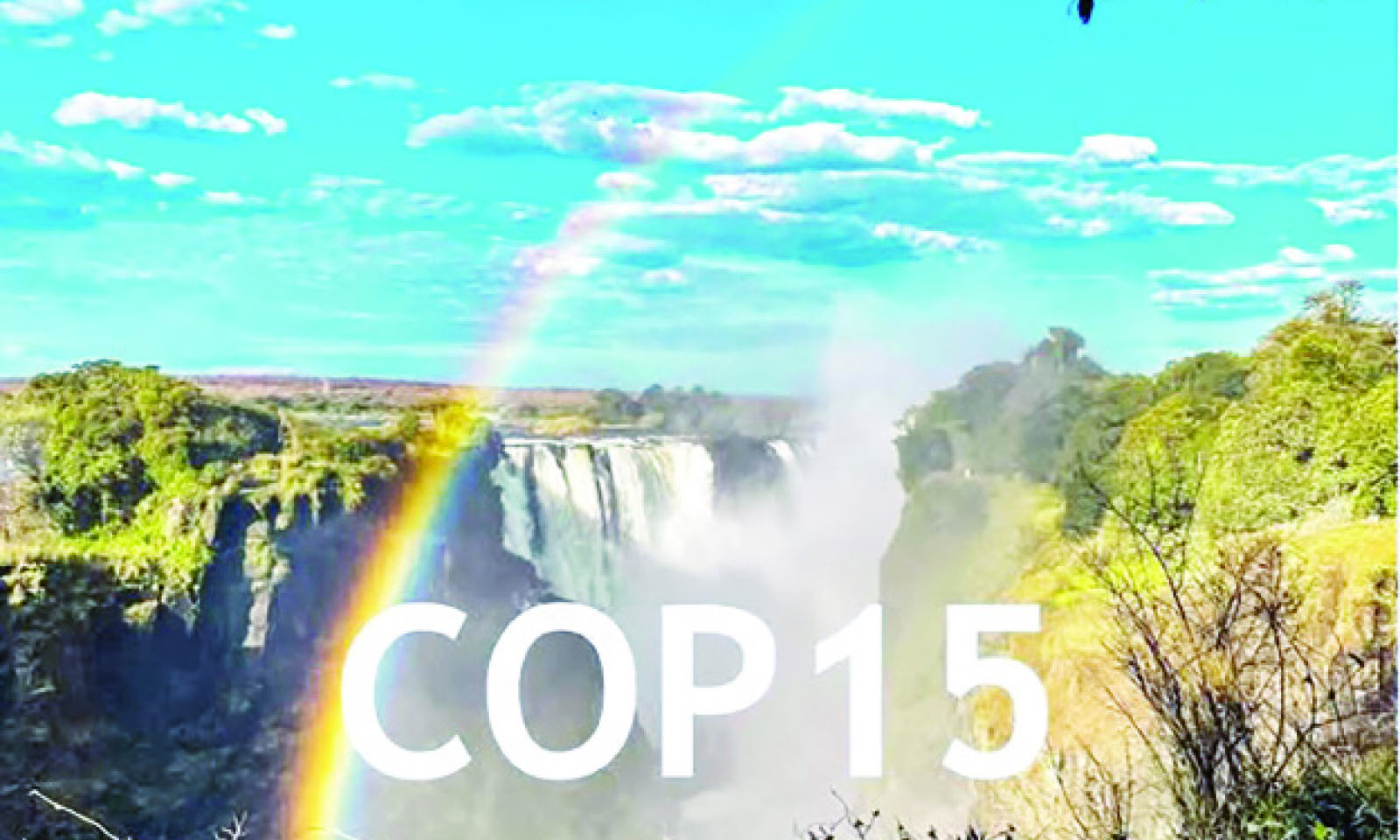
UNTIL recent decades, wetlands were largely regarded as a nuisance, as swamps that should be drained for farming or urban development, and this is still the predominant attitude among many, especially property developers and others who seek short-term profits and convenience.
The result has been the large-scale destruction of many wetlands in many parts of the world over the centuries, destruction often driven by Governments, sometimes with subsidies, and applauded in history books and other records.
But during the latter half of the last century the marginal voices seeking preservation and even restoration of wetlands, became a great deal louder. The small minorities who had always benefited from wetlands, and who largely powerless had raised their voices against both those who wanted to drain the swamps or use the wetland as a trap for toxic wastes, were joined by a growing number of serious scientists who were able to provide hard data on the benefits of wetlands and the damage their removal caused.
This led in 1971 to the Ramsar Convention on Wetlands of International Importance Especially as Waterfowl Habitat. Signed by the more concerned nations at the city of Ramsar in Iran and known increasingly as just the Ramsar Convention as more nations signed on and the remit of the convention widened.
But even the title shows with its emphasis on waterfowl, that as late as 1971, the dangers of wetland habitat loss were far from being appreciated and that conservation, preservation and depolluting of wetlands was far more critical than those forward-thinking founders had supposed. The growing climate crisis and the rise in flooding disasters has helped concentrate minds on their benefits, as have the results of destruction of whole ecologies that were anchored on wetlands.
Groundwater has always had a major place in providing domestic and irrigation water In many parts of the world, but it took the drying up of aquifers for people to understand that groundwater is not an infinite resource but rather a renewable resource.
Aquifers need to be recharged, generally by rain falling on the ground and the main charging points are wetlands, where water can sit and gradually soak into the ground. Rainwater that just turns to runoff almost instantly is not much use for recharging aquifers.
Major floods occur when rainwater can just run off. Wetlands act as temporary traps of flood water, absorbing the sudden shock and then releasing the water more slowly and gently. A river flood-plain, one form of wetland, allows a river in flood to spread out so there is not a high wave of water sweeping downstream. The flood control and aquifer recharging functions of a wetland are related.
Wetlands can also purify water, by their flourishing plant life removing some organic impurities, the ones that act as plant foods. But this does not include industrial toxins, heavy metals, petro chemicals and other pollutants. A wetland can clean up the water flowing into it moderately, but we still need other water purification.
When we look at a large Zimbabwean city such as Harare and its satellite towns we can see both the draining of swamps in past times, the efforts by some to drain some more, the battle to preserve what we have left, and the dire results of that past draining.
Water tables are falling relentlessly and fairly fast. Productive wells of just 50 years ago are totally dry and boreholes need to be drilled ever deeper to reach groundwater. The far greater runoff from urban land, from the roads and roofs and paving, has led to more severe flooding, and the gap is growing between areas where these floods are moderated by a wetland and those where the water just runs in more damaging floods.
The reason wetlands are often attacked is that there is profit to be made through their destruction, while their benefits are shared by a whole community or society with those benefits seen more in the quality of life rather than cash in the pocket.
This is fairly typical around the world and is the reason we are seeing more and more countries enacting suitable laws, as Zimbabwe has done, to prevent further destruction and to make sure that the benefits remain.
Much of this process is driven by Ramsar which keeps up the pressure, keeps tables on both the progress and the destruction, and which brings together the scientists and their growing collection of data and the policy makers who need not just to be convinced of the need for preservation, but be armed with the data that shows the economic gains when wetlands are kept.
Every three years the member states meet to assess progress and see how this can be sustained and expanded. Zimbabwe has been honoured by its selection as the host this week of the 15th such meeting of the contracting parties, COP15, in Victoria Falls.
Zimbabwe’s offer to be host was accepted because of the significant work already done since the country signed on in the 1980s after becoming independent. And this local work has been far more than just agreeing with the aims, stamping the papers and doing little.
The Environmental Protection Agency has developed as a highly effective protector of environments, including wetlands, with all development needing to be approved as one of the stages. This does not prevent or slow down development, but does ensure that highly vulnerable and beneficial areas, such as wetlands, are not wiped out and that all environments are protected against toxic waste and the like. Environmental safeguards are now as critical as things like fire protection, worker safety and tax registration.
As a result Zimbabwe has built up some very practical experience on how to make and police environmental law, as well as how to feed environmental protection into planning law so that development can take place, and be encouraged, but with general environmental safeguards and protected areas.
We have to grow more food, build more homes and use our land, but we can do this without destroying or polluting precious resources like a wetland.