Online Reporter
A SIGNIFICANT development took place in the world of national sport on May 31 with the tenure of the Sports and Recreation Commission (SRC) board coming to an end.
The SRC is the country’s sports regulatory body and are resultantly the mirror through which the country’s sporting and recreational activities are viewed.
A poorly run SRC will cascade to inefficiency at the National Sporting Associations (NSAs) level.
We, however, applaud outgoing SRC chairman Gerald Mlotshwa and the men and women who made his board for setting the bar for the associations to follow.
Allen Chiura, Colleen de Jong, Gail Van Jaarsveldt, Karen Mutasa, Nigel Munyati and Titus Zvomuya made up that board, which was initially appointed by then Minister of Sport, Recreation, Arts and Culture Kirsty Coventry in May 2019.
Eltah Nengomasha came in as director-general and an-officio member of the board.
After impressing in their initial three-year term, the board was retained en-masse with Coventry handing them another three-year tenure.
To their eternal credit, the SRC board brought in a culture of corporate governance at the Commission and demanded the same from the NSAs.
As they wave goodbye to the SRC, Mlotshwa and his crew also leave a legacy of constitutionalism in which they helped associations to take a good look at their statutes and follow the tenets of those constitutions which would have been registered with the regulatory board in line with the demands of the Sports Act.
That the board managed to reinstate the regulatory role of SRC, the lack of sound governance practices by most NSA which had gone unchecked to the detriment of sports was addressed are principles from which all well-meaning administrators can draw inspiration.
We believe that the board’s firm position on issues of athlete development, compliance and governance not only brought sanity to an otherwise unregulated sector but set the foundation for which the successes at such platforms like the African Games in Accra, Ghana, regional and international competitions have been built.
They were also bold enough to suspend the errant associations as Zimbabwe Cricket (ZC), Zimbabwe Football Association (ZIFA), Zimbabwe Rugby Union (ZRU) and Zimbabwe Netball Association (ZINA) would testify.
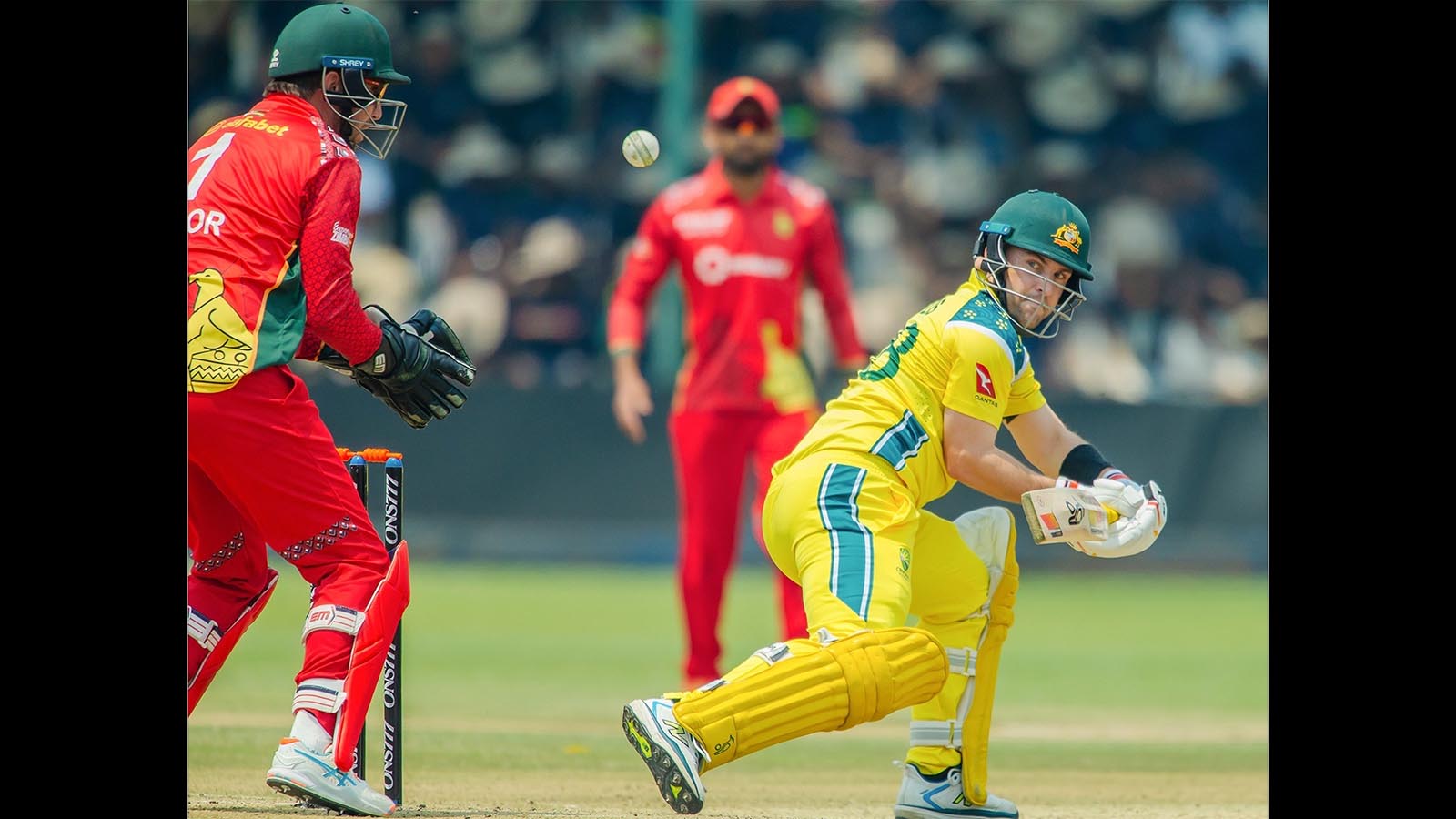
Just a month after their appointment in 2019, the SRC suspended the ZC board over allegations of electoral malpractices and financial misappropriation.
Naturally as happens across the bulk of the associations, when they are in trouble with national authorities, they seek the shield of their international federations.
In the case of ZC, they sought that shield from the International Cricket Council (ICC).
Thus, it was not surprising the SRC decision drew a fierce backlash from the ICC who suspended Zimbabwe from all cricket activities under their auspices.
The ICC also froze funding to Zimbabwe and had given an ultimatum for the reinstatement of the ZC board.
However, the SRC, using the power of dialogue found a way of navigating the crisis and in the end, sanity was restored and the ICC lifted the suspension on Zimbabwe.
The sanity now being enjoyed in Zimbabwe’s football after years of persistent problems was a result of the SRC’s tough stance on the ZIFA board whom they suspended in November 2021.
While FIFA’s reaction as expected was to suspend Zimbabwe from the international family, a series of meetings between the world body and the SRC resulted in a Normalisation Committee being appointed for ZIFA.
FIFA were also charmed by the SRC’s crackdown on the ZIFA board for ignoring several complaints against sexual harassment of female referees.
In probably their last official task, the outgoing board recently suspended ZINA president Leticia Chipandu amid a flurry of accusations related to maladministration at netball and ill-treatment of sport’s biggest assets — the athletes.
They also demanded answers from the ZRU over the manner in which the women’s team’s tour of Cote d’Ivoire was handled.
In the past, the SRC would have turned a blind eye to various shenanigans in the national associations as the previous boards did even in cases where Zimbabwe’s Warriors became punching bags in the ugly and forgettable era of the Asiagate match-fixing scandals.
We implore associations and even the next board to take a cue and ensure there is separation of powers between the secretariat and the executive committees if corporate governance is to be attained in local sport.
Mlotshwa and his crew have run their race but their departure should not signal the slackening of the sports sector.
Instead, the nation should build on the numerous successes scored by this board.
This country has many capable men and women in administration and with a mindset shift, Zimbabwean sport can be taken to a higher level.
It just starts with putting the right pieces and frameworks in place and respecting the statutes and the results will follow on the competition arenas.