Online Reporter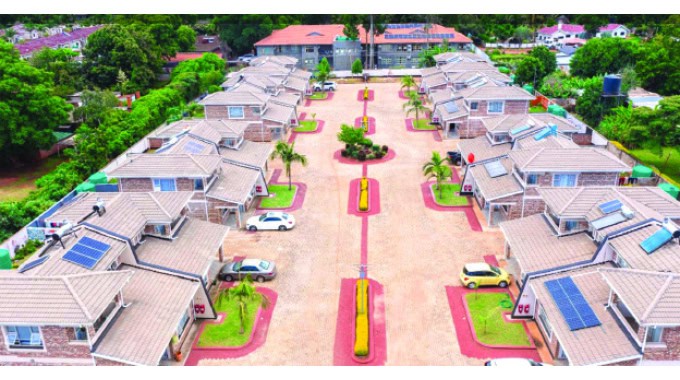
Tapiwanashe Mangwiro-Features Writer
As Zimbabwe’s property market continues to evolve, a quiet revolution is reshaping what a “starter home” looks like. Driven by shifting values, economic realities and lifestyle changes, a growing number of first-time buyers, particularly millennials, are redefining the meaning of homeownership.
Their tastes, priorities and expectations differ sharply from those of previous generations, forcing developers, estate agents and financiers to adapt or fall behind.
From open-plan designs and home offices to cluster housing and digital financing options, the preferences of young Zimbabweans under the age of 40 are having a tangible impact on the shape and style of new developments sprouting across Harare, Bulawayo and smaller urban centres.
Style, Location, and Security: Driving Forces for Young Buyers
Troika Design Workshop projects director Simanga Madhlabuta offers a compelling insight into the core demands of young Zimbabwean homebuyers, stressing that their decisions are heavily influenced by style, location, and security.
“Young Zimbabweans are also driven by style, location and security,” states Madhlabuta.
He elaborates on the aesthetic preferences, noting that modern contemporary house designs have now become more favourable with young locals.
“These designs are a blend of English contemporary architecture and modern design.”
He adds a key detail for middle-income earners: “You find most middle-income earners also want their primary bedroom to have en-suite bathrooms and spacious closet space.”
Location, according to Madhlabuta, is another pivotal factor. “Location is also a key determinant of where one buys their first house.
“The most sought-after locations are those close to amenities, like schools and commercial centres.
“This is evident in the increasing cost of houses in such locations. Take Madokero, for example.”
Madhlabuta underscores the paramount importance of security. “Security has become a major concern. High rates of crime, in particular; burglary cases have made it mandatory for home seekers to prioritise security. This has seen the rise of gated communities and complex living. Even individuals doing self-build housing projects often prioritise high-security boundary walls, fences, and electric wires, all in a bid to be safer in their own space,” he says.
Not Just Bricks and Mortar: Lifestyle Matters
Unlike their parents, for whom homeownership often meant acquiring a standalone house on the city’s periphery after years of saving, today’s young buyers are more inclined to weigh lifestyle, location and convenience before making a purchase.
“The current millennial buyer is looking beyond shelter. They want a home that complements how they live and work,” says Chido Mberi, a realtor based in Borrowdale. “Things like proximity to work, security, smart features and even access to social spaces really influence their decisions.”
It is not just anecdotal. A recent mini-survey conducted by a Harare-based property research firm found that nearly 70 percent of respondents aged 25 to 40 preferred compact, modern homes in gated communities and more than half cited reliable internet and solar energy as major deal-makers.
The Cluster Boom: Compact, Secure, and Stylish
One of the clearest indicators of this generational shift is the rise of cluster housing.
Once viewed as niche, cluster developments, typically comprising several compact but well-finished homes within a secure perimeter, have become the go-to option for young, middle-income buyers.
Cluster units appeal for several reasons.
They strike a balance between affordability and exclusivity, offer a sense of community without the sprawl of suburbia, and often include shared amenities, like boreholes, generators and security.
In Harare’s growing northern corridor, between Pomona, Mt Pleasant Heights and Crowhill, developers are racing to meet demand with turnkey clusters tailored to millennial tastes.
At one such development in Pomona, modern interiors dominate: polished concrete floors, floating staircases, granite countertops and neutral colour palettes.
“We knew from the start we were not building for the traditional market,” says Tafadzwa Bako, a developer behind the eight-unit complex. “Our buyer wants contemporary design, open space and green energy options, not just four walls and a roof.”
The Tech-Savvy Buyer
Millennials are also the first generation of digital-first buyers. From scouring listings on Instagram and WhatsApp to arranging virtual tours and processing payments online, technology is integral to their homebuying journey.
“We are seeing increased demand for fully online processes, especially from diaspora millennials looking to invest back home,” says Rutendo Ncube, co-founder of a PropTech startup that connects Zimbabwean buyers to vetted developments.
“They want transparency, speed, and digital documentation. If a developer cannot offer that, they lose interest fast.”
In response, estate agencies and developers are investing in immersive virtual experiences, electronic contracts and mobile-friendly mortgage calculators. Banks have also begun targeting millennials with first-time buyer packages that emphasise digital convenience and flexible payment terms.
Balancing Aspirations with Affordability
While millennials have clear tastes, many also face unique financial constraints. Limited access to long-term credit has meant that the dream of homeownership still feels out of reach for many.
To bridge this gap, flexible payment models and joint ownership schemes are gaining traction. Some developers now offer rent-to-buy options over periods of 10 to 15 years, while others allow buyers to pay in instalments pegged to United States dollars or indexed to construction stages.
“There is a sense of urgency among younger buyers,” says financial analyst Rudo Mapurisa.
“They want to own property now, before prices shoot further up, but they also want structures that do not overburden them. Developers that understand this are the ones succeeding.”
Work-from-Home, Live-from-Anywhere
The Covid-19 pandemic, while largely behind us, has left a permanent mark on how Zimbabweans live and work. For millennials, the shift to remote or hybrid working models has made home layout a central consideration.
Modern starter homes now routinely include study nooks, high-speed internet wiring and flexible-use rooms that can toggle between office and guest bedroom.
“We have seen buyers asking for home offices even in two-bedroom setups,” notes Mberi. “It is no longer a luxury; it is a necessity.”
In response, some developers are even building co-working hubs within residential clusters, appealing to young professionals and entrepreneurs who need flexible space close to home.
Design Details That Matter
On the aesthetic side, millennial preferences lean toward minimalism, natural light, and low-maintenance finishes. Exposed brick, matte black fixtures, and modular kitchens are becoming more common, replacing the tiled conservatism of the 1990s.
Eco-consciousness is also key. Solar geysers, rainwater harvesting, greywater systems, and energy-efficient appliances are now part of the sales pitch, not afterthoughts.
“The idea is to reduce long-term running costs and environmental impact,” said Mr Bako. “Millennials want to live comfortably, but they also care about sustainability and utility bills.”
The Diaspora Effect
A significant driver of this millennial surge is the Zimbabwean diaspora, particularly those in South Africa, the United Kingdom, and Australia. Many are buying properties for eventual return, as investments, or for their parents, often seeking the same modern, secure features they have grown accustomed to abroad.
This influx of offshore capital is shaping developments with a global sensibility: European finishes, American-style open plans, and high-end fittings that appeal to millennial tastes on both sides of the border.
Diaspora buyers, more likely to pay in foreign currency and demand clear legal structures, are pushing developers to tighten compliance, improve disclosures, and even seek external audits.
A Market in Transition
The Zimbabwean property market is at a generational inflection point. While older buyers still dominate overall ownership, it is millennials who are setting the tone for the future of residential development.
With their demand for flexibility, functionality, and aesthetic value, they are steering the market toward compact, smarter, and more sustainable homes.
Cluster housing, digital purchasing journeys, and lifestyle-focused amenities are only the beginning. As developers and financiers recalibrate their models to meet these evolving demands, one thing is clear: the millennial homebuyer is no longer a niche; they are the new centre of gravity.