admin
adminPolice recently released chilling statistics on cases of child rape countrywide. A total of 2 405 children were raped countrywide out of the 3 421 cases reported between January and October this year.
What is worrying is that according to police statistics, neighbours perpetrated the bulk of the assaults accounting for 41 percent, while relatives followed with 27 percent of the cases reported.
The question many are bound to ask is who will protect our children when those closest and trusted are the perpetrators?
There are many challenges facing today’s society and one of the reasons we are witnessing an increase in child sexual abuse cases is the carelessness by parents who, first of all, trust and leave their children with would-be rapists.
Secondly, most parents have lost their parental bond with their children as they do not spend much time with them. This leaves room for would-be rapists to fill that missing link, though in a terrible manner. Simple things such as accompanying children to school and trying to take time to know what is happening in their lives will make a great difference.
Many times, young children in school uniforms are seen walking alone in the Central Business District. Most of these children come from areas like Chitungwiza, Norton and Warren Park to learn in schools on the other side of town, which their parents deem better. It is such children who are exposed to sexual abuse as would-be perpetrators can pounce on them at any time. Parents should ensure that they at least try to pick up their children from school or have someone to pick them. The best way is making sure that children learn in schools within their zones so that they do not travel long distances unaccompanied.
Because of the economic meltdown experienced in the country in the past decade, most children have also helped in the running of the family by contributing some form of labour.
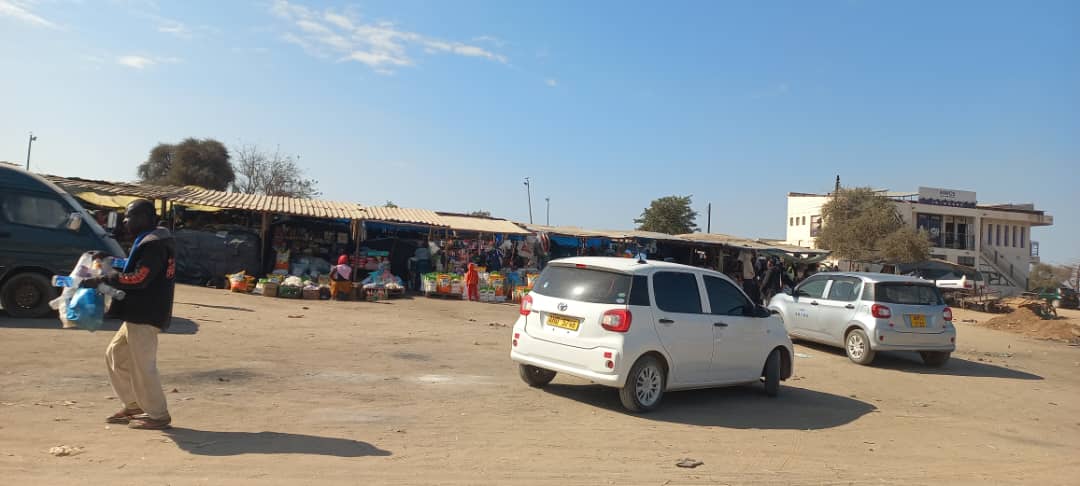
Some parents in the vending business have let their children sell various wares on street corners, shopping centres, growth points, highways and residential homes where they could be subjected to sexual harassment and abuse. Some of the children sell these wares in the dead of the night at nightclub entrances, putting them at high risk of being sexually abused.
While technology has been welcomed by many as it puts the world in one place, it has come with some challenges of its own as young boys explore all sorts of things including pornography. According to the police, boys less than 18-years-old are developing a habit of sexually abusing young girls below 12 years.
These teenage boys are said to be taking advantage of unaccompanied minors left in their custody or waylay them in secluded footpaths, bushy areas and maize fields as well as along the distances between schools and homesteads, especially in rural areas, something that is worrying.
Another challenge is that of accommodation where in crowded places like Mbare hostels, up to three families share a single room. This has resulted in children sharing bedrooms with male relatives and neighbours and thus subjecting them to abuse.
Government, through the Ministry of Public Works and National Housing, should ensure that people have decent accommodation to minimise such incidents. The Department of Social Welfare should be capacitated so that they visit such areas just to observe the implications of such living arrangements. While some NGOs like Childline have been doing quite a lot, the message seems to fall on deaf ears as children continue to be abused.
A new powerful public education campaign and message should therefore be conveyed to the general public encouraging all sectors of society to know that child sexual abuse is both everyone’s problem and responsibility.
The aim of such public education efforts will be to eradicate any approval for sexual abuse or confusion over what society overlook as appropriate relations between adults and children.
To accomplish this, all Zimbabweans should strengthen child abuse prevention services that support children, especially the orphaned and vulnerable. There is need to enforce existing laws that protect children from child sexual abuse.
It is also important for the nation to promote research, training and public education to address the risk factors that can lead to child sexual abuse.
The wide broadcasting of accurate information to the public, especially to policymakers, will help break the silence and taboo that surrounds child sexual abuse, and may facilitate the formulation of effective solutions to the problem:
Therefore, while strengthening existing child sexual abuse prevention programmes, attempts should be made to craft programmes that shift the responsibility of child sexual abuse prevention to adults and public institutions.
An example of such an approach is widespread and intensive public education of the warning signs of child sexual abusers and how adults should act to safeguard children from sexual abuse. But the signals of child sexual abuse are often subtle and frequently defy detection even by knowledgeable parents and seasoned professionals.
Additional efforts are needed, including parental education, to reduce the risk of child sexual abuse and train professionals and other caregivers who work with children to recognise and appropriately respond to sexually reactive behaviour.


 Online Reporter