Online Reporter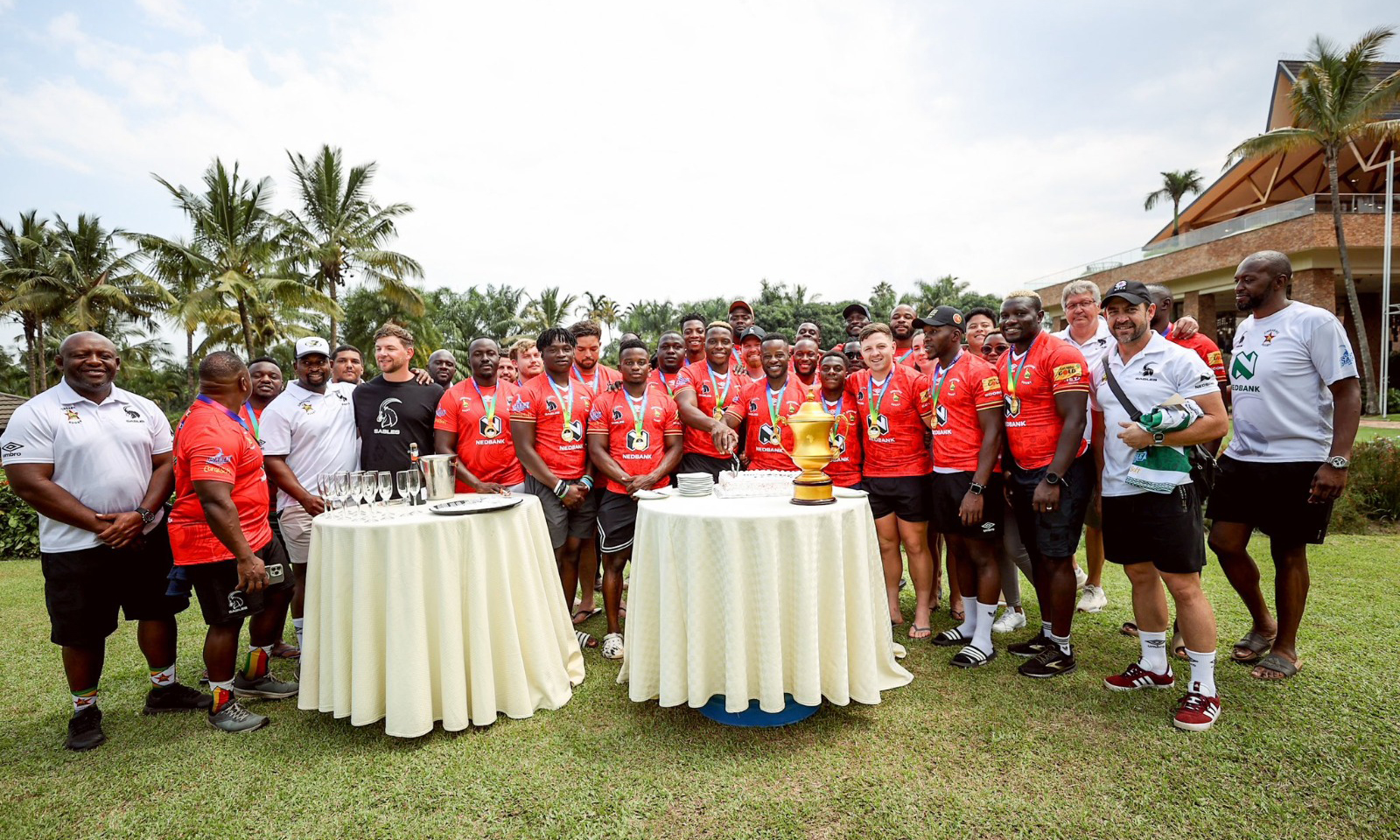
ONCE in a while, sport provides a country with a moment which unites the whole nation and cheers its spirits.
Like when the Warriors won their first trophy by lifting the CECAFA Cup at Rufaro in 1985 with a 2-0 win over Kenya.
Or when Dynamos became the first football club from this country to reach the final of the CAF Champions League in 1998 and when the Warriors qualified for their first AFCON finals in 2003.
Like when Kirsty Coventry made history by winning gold at the Olympics in Athens in 2004.
She became the first athlete from this country to win gold in an individual event with the last gold having come from a team event when the women’s hockey team emerged as the champions at the ‘80 Olympics in Russia.
On Saturday, we all watched, and prayed, as a nation.
Our prayers were a plea to God to help our Sables clear the final hurdle and qualify for the Rugby World Cup in Australia in 2027.
We knew that the hurdle was a big one.
We knew that the Namibians had developed a habit of beating us, at regular intervals, and we knew that it would be a tough assignment for our boys.
And, our prayers were answered when, at the end of a fiery contest, our Sables emerged as winners 30-28 in a tight showdown.
We are returning to the Rugby World Cup for the first time since 1991.
We had beaten Namibia last year, at the same tournament, eliminating them in the semi-finals with a 32-10 win in Kampala.
But, some analysts felt that the Namibians were focussed on the World Cup and come this year, with a ticket to the World Cup at stake, they were going to show their true colours.
Yes, this was a different Namibia but the same analysts also didn’t realise that this was also a different Sables team.
This is a Sables team that has been a project that has been in the making for years.
In fact, the Sables have provided other sporting disciplines like cricket, which is underperforming again, and football, with a template of how a national team can turn its fortunes around and, with proper planning, can transform itself into a competitive side again.
When Namibia thrashed us 80-6 in August 2015, we knew that it couldn’t get any worse.
That day in Windhoek, the Namibians ran in 12 tries after the break.
From those ashes, the men and women who are key players in our rugby set-up started their rebuilding exercise.
They started looking for the right players and creating the right environment for those players to express their talent and perform at the very top.
Their project excited many key partners and we saw Nedbank Zimbabwe coming in to be a major sponsor.
And, the rest, as they say, is history.
We should not stop rebuilding our national rugby team and we should be qualifying for every World Cup from now onwards.