Online Reporter
AS we prepare to bring the curtain down to what has been an eventful 2025 we note with interest that Zimbabwean sport has reached a defining moment.
For years, the sector has struggled under the weight of governance lapses, uneven access to facilities, limited commercialisation and persistent exclusion and in some instances of rural, farming and under-served communities. These challenges have not been hidden. They have been debated in boardrooms, exposed in the media and felt most acutely by athletes whose talent and dreams have too often gone unsupported.
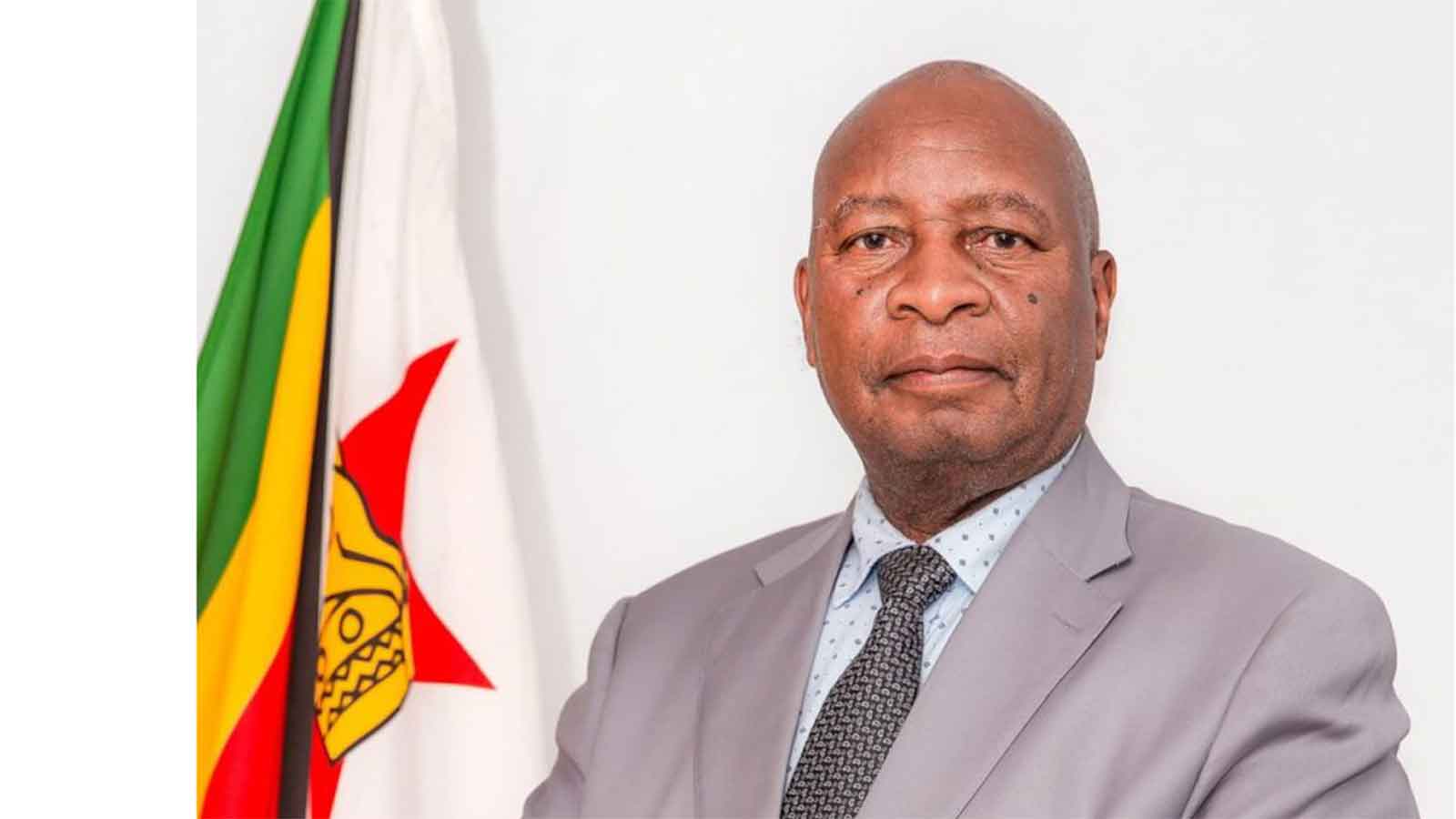
Against this backdrop, the recent vision enunciated by the Sports and Recreation Commission (SRC) chairman Nathaniel Madzivanyika and also captured elsewhere in this publication, provides more than reassurance.
It offers a structured, policy-driven vision that calls for a collective reset. What is now required is for national sporting associations to take a leaf from that message and blueprint, and we suggest they do so, not selectively, but in full.
Central to the SRC’s renewed approach is the principle of inclusivity. Sport, by its nature, is a public good. Yet access to opportunity in Zimbabwe has remained uneven, skewed towards urban centres and better-resourced institutions. The SRC chairman’s emphasis on grassroots development, rural outreach and provincial balance challenges sporting bodies to confront uncomfortable realities.
Talent is evenly distributed across the country; opportunity is not.
Associations that continue to concentrate their competitions, training programmes and decision-making in a few cities risk entrenching inequality and weakening their own talent pipelines.
The proposed national audit of recreational facilities and the planned phased rehabilitation of both major and community-level infrastructure mark an important shift toward evidence-based planning.
However, infrastructure alone does not build sport. Associations must align their calendars, development programmes and selection frameworks with this broader national effort.
Facilities must be used, maintained and animated by structured activity, not left to deteriorate through neglect or poor governance.
Equally transformative is the SRC’s framing of sport as a viable livelihood and economic sector, which also falls in line with the National Strategic Development Strategy 2, which speaks to the vision of creating an Upper middle-class economy by 2030.
This is a necessary departure from the long-held view of sport as a pastime rather than an industry.
Through public-private partnerships, sponsorship frameworks and event hosting strategies, the SRC is signalling that sport can contribute meaningfully to employment creation, tourism and economic growth. For national associations, this demands a shift in mindset — from survival to sustainability, from administration to enterprise.
Professional governance structures, audited financial systems and commercial awareness are no longer optional. Sponsors and investors are drawn to stability, transparency and vision. Associations that fail to modernise their operations will find themselves sidelined in an increasingly competitive environment, while those that adapt stand to unlock new streams of revenue and opportunity for their athletes and staff.
Nowhere is the call for reform more explicit than in the area of governance, order and compliance.
The SRC have reaffirmed their statutory mandate to regulate, coordinate and supervise sport in the national interest. Periodic compliance audits, enforcement of membership criteria, oversight of financial reporting and attention to athlete welfare are not punitive measures. They are safeguards — designed to protect institutions from collapse and participants from exploitation.
The era in which autonomy was used to justify disorder is drawing to a close. Collaboration between the regulator and associations must be built on mutual respect and shared standards.
Growth and regulation are not opposing forces; they are complementary. Where governance is sound, growth follows.
Infrastructure development remains a long-standing Achilles’ heel for Zimbabwean sport. The Chairman’s acknowledgement of this gap, coupled with plans for a national facility audit and targeted investment, offers cautious optimism. Yet sustainable infrastructure requires partnerships.
Local authorities, private players, communities and sporting bodies must share responsibility for preserving open spaces and ensuring that facilities remain safe, accessible and affordable.
Losing recreational spaces is not merely a planning failure; it is a social one.
Beyond competition and commerce lies a broader national imperative: wellness and recreation. The SRC’s emphasis on participation, public health and inclusive recreation reflects a holistic understanding of sport’s role in society. Community leagues, school-based programmes and inclusive sport for persons with disabilities are not peripheral activities. They are foundational to social cohesion, youth development and long-term talent identification. Sporting associations that neglect this base risk becoming disconnected from the very communities they claim to represent.
Ultimately, the Chairman’s vision points toward shared accountability and measurable impact. Clear performance indicators, transparent reporting and continuous stakeholder engagement are essential if trust is to be rebuilt.
The SRC are setting the tone by committing to openness and evaluation. Associations must respond in kind.
Zimbabwean sport will not be transformed by policy alone. It will be transformed when institutions choose discipline over convenience, inclusivity over exclusivity, and professionalism over complacency.
The blueprint has been laid out. The challenge now rests with sporting bodies to take that leaf — and turn it into lasting change.