Online Reporter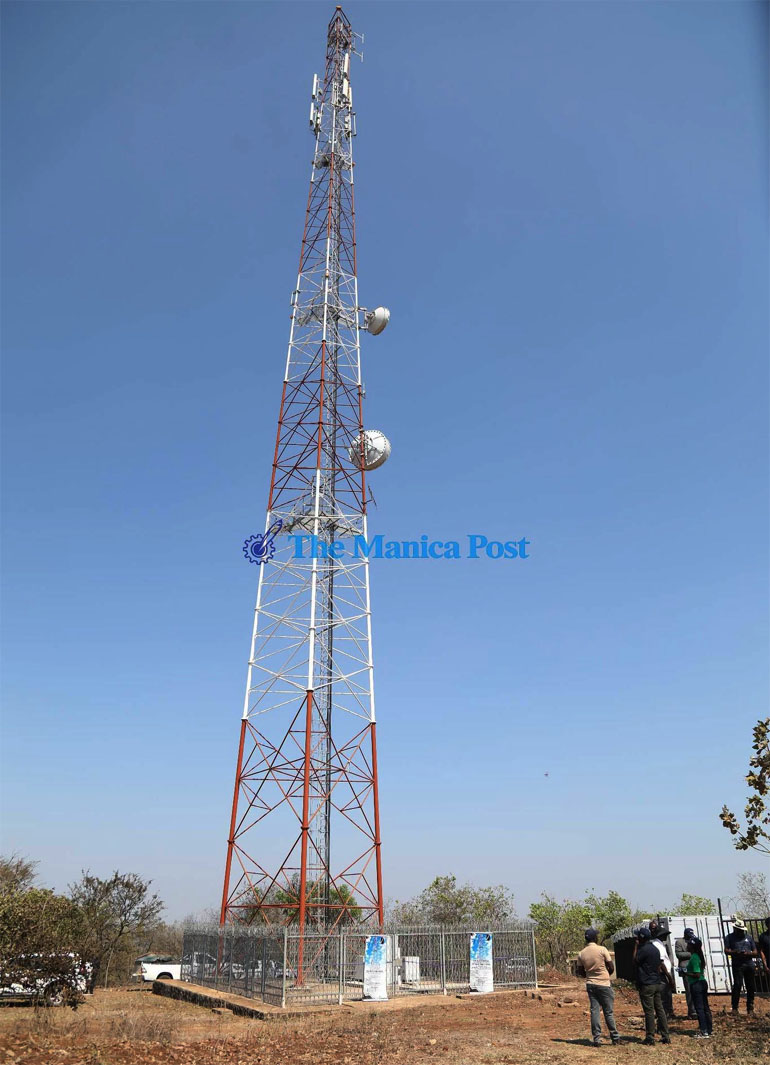
ACCESS to information is not a privilege reserved for those living in cities and towns.
It is a fundamental necessity that empowers citizens, strengthens communities and promotes national development.
In Zimbabwe, the need for universal access to information is particularly important for remote and marginalised communities such as Garahwa and Mahenye in Chipinge District, as well as Chirimanyimo and Fombe in Nyanga District. These communities, despite their rich cultural heritage and economic potential, often face geographical and infrastructural challenges that limit their access to timely and reliable information.
Information is power. It enables people to make informed decisions about their livelihoods, health, education and participation in national affairs. When communities are disconnected from information channels, they are effectively excluded from opportunities that can improve their quality of life.
In an age where knowledge drives economic and social progress, no citizen should be left behind simply because they reside in a remote corner of the country.
Communities in Garahwa, Mahenye, Chirimanyimo and Fombe deserve the same access to news, public information and developmental updates as residents of Mutare, Masvingo or Chiredzi. They need to know about Government programmes, agricultural interventions, educational opportunities and economic initiatives that affect their lives.
Information about policy changes, infrastructure projects and social services should reach every village and household. This is essential for promoting equity and ensuring that development benefits all Zimbabweans, regardless of location.
Keeping communities informed about national developments also strengthens national unity. Citizens who are aware of what is happening across the country are better able to participate in national discourse and contribute meaningfully to the country’s development agenda. Information creates a sense of belonging and inclusion. It helps people understand their rights and responsibilities while fostering greater trust between communities and public institutions.
The importance of information becomes even more pronounced during times of crisis.
Zimbabwe has over the years experienced various natural disasters, including cyclones, floods, droughts and disease outbreaks. Remote communities are often among the most vulnerable to these events. In such circumstances, access to reliable and timely information can mean the difference between safety and tragedy.
The media plays a critical role as an early warning tool in the face of natural calamities. Through newspapers, radio broadcasts, mobile platforms and other communication channels, communities can receive advance warnings about approaching storms, floods or prolonged dry spells. Early warnings provide residents with valuable time to take preventive measures, protect their property and livestock, and move to safer areas when necessary.
The lessons from past disasters remain clear.
Communities that receive timely information are generally better prepared and more resilient. Farmers can adjust planting schedules based on weather forecasts. Families can stock essential supplies ahead of emergencies. Local authorities and disaster response agencies can coordinate evacuation plans more effectively when communities are informed and engaged.
For districts such as Buhera, Chimanimani, Chipinge, Mutasa and Nyanga, which have previously experienced severe weather-related disasters, strengthening access to information should be viewed as a critical component of disaster risk management.
Early warning systems are only effective if the information reaches the intended recipients promptly and in a form that they can understand. This calls for investment in community radio stations, expanded mobile network coverage, improved rural electrification and the distribution of newspapers and other information products to remote areas.
Traditional communication structures can also complement modern information systems. Community leaders, schools, churches and local institutions have an important role in disseminating vital information.
However, these efforts must be supported by a vibrant and accessible media sector capable of reaching every citizen.
The digital revolution presents both opportunities and challenges. While internet-based platforms have transformed access to information in many parts of the world, digital inequalities persist. Many rural communities continue to face limited internet connectivity, inadequate network coverage and affordability challenges.
Bridging the digital divide should therefore remain a priority. Investments in telecommunications infrastructure can unlock significant developmental benefits while ensuring that rural citizens participate fully in the information age.
Universal access to information is ultimately about empowerment. It gives communities the tools they need to make informed choices, hold institutions accountable and improve their socio-economic circumstances. It strengthens democratic participation and encourages active citizenship. More importantly, it saves lives by ensuring that people receive critical warnings and guidance during emergencies.
As Zimbabwe continues to pursue inclusive national development, particular attention must be paid to communities that remain on the margins of information networks.
Garahwa, Mahenye, Chirimanyimo and Fombe are, not merely distant rural settlements; they are integral parts of the nation whose residents deserve equal access to knowledge, opportunities and protection.
The vision of leaving no one and no place behind can only become a reality when access to information reaches every corner of the country. By expanding media access, strengthening communication infrastructure and supporting effective early warning systems, Zimbabwe can build more informed, resilient and empowered communities that are better prepared for the challenges and opportunities of the future. Information remains one of the most powerful tools for development, and its benefits must be enjoyed by all.