Online Reporter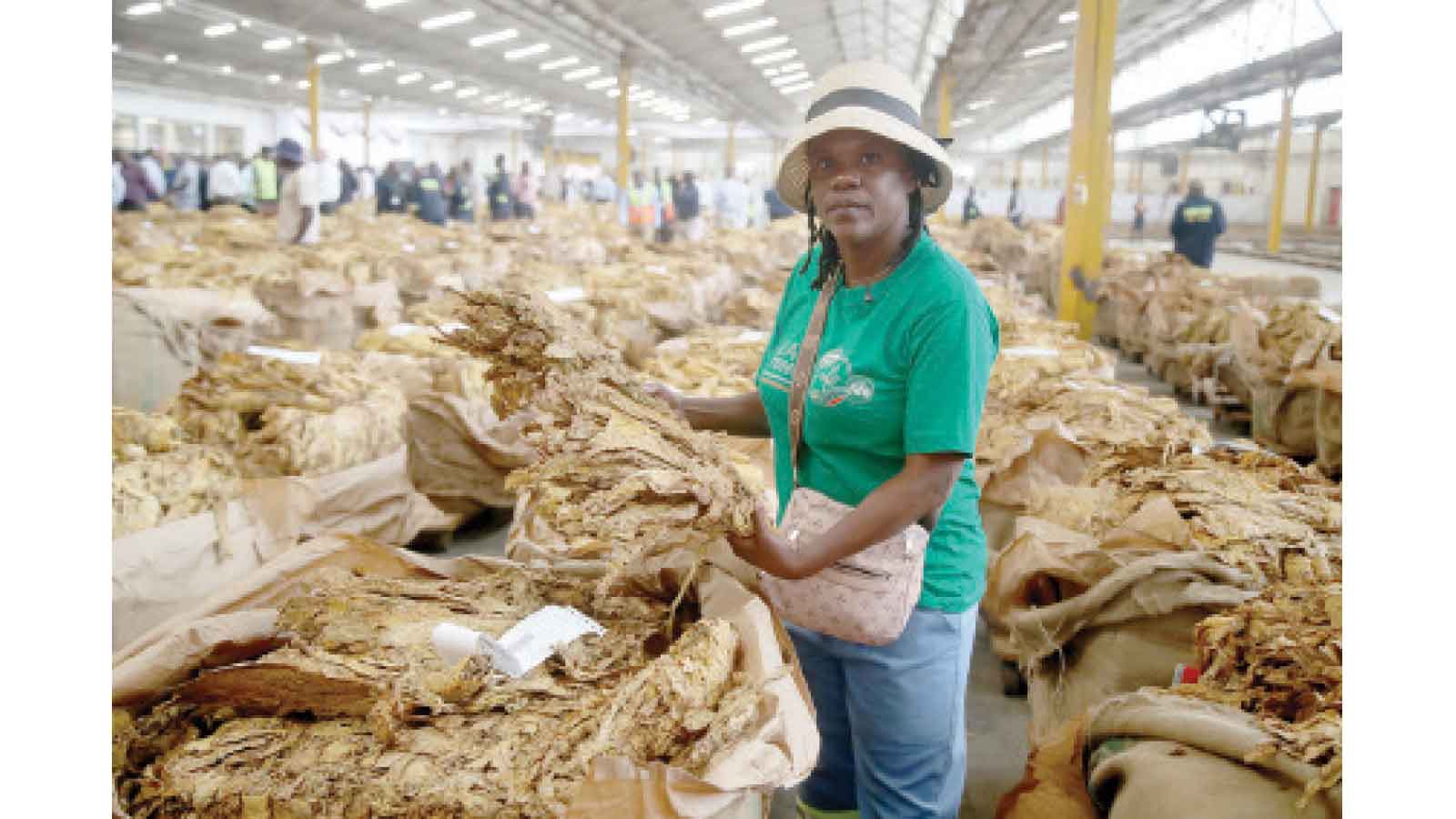
ZIMBABWE’s exports continue to grow fast, reaching US$884 million in May, 11,6 percent higher than in April, itself a record month.
There is a lot to cheer about in the latest trade statistics released by the Zimbabwe National Statistics Agency (ZimStat).
Semi-processed gold, semi-processed platinum group metals and some other minerals (all labelled as nickel matte in the statistics) and tobacco with just some basic processing, accounted between them for 73,9 percent of exports, with gold alone at 52,5 percent.
These traditional exports have been driving our economic growth and the large gains in prosperity in recent times. Good global prices, at least for minerals, has been a major source of growing value of exports.
Zimbabwe, thanks to some very sensible pro-investor mining policies by the Second Republic along with a sound policy of bringing small-scale gold miners into the system, has been taking full advantage of these.
But global commodity prices can swing back and forth and can show far more variability than prices of value-added and industrial products.
Then, after several months of a positive trade balance, with exports exceeding imports, April and May this year both showed such rises in imports that the country returned to a negative trade balance.
Imports in May of US$1,08 billion allowed a negative trade balance of US$193,7 million.
While diaspora remittances would have covered these, to retain a positive current account of more foreign currency inflows than outflows, there is still a determination in several Zimbabwean sectors and among too many consumers to wanting imports rather than tapping the widening range of Zimbabwean products and gearing up industry further.
We need to secure our gains and present national policies set by the Second Republic are designed to do just this.
No one wants to see the value of gold exports decline; in fact we want them to continue growing. But other exports need to grow fast as well so gold is less dominant in the trade statistics.
Related policies deal with this. We need to add value to our mineral and agricultural commodity exports, as well as push up production.
Platinum group metals are a growing block of value, and production is increasing, with some estimates seeing Zimbabwe assume the number one African slot in a few years. But we need to accelerate progress to local refining so we get full value.
Other minerals also need full beneficiation, but in many cases the value can be driven even higher by using them as raw materials for industrial exports.
For example, making and selling stainless steels rather than exporting ferrochrome and nickel, even as ingots.
Making batteries rather than seeing all lithium, even when fully processed, exported as the desired salts.
Tobacco production continues rising and is producing an ever larger group of hard-working and prosperous farmers. But we need to push up quality, so we are guaranteed new markets while farmers get better prices.
We also need to build up Zimbabwean processing so we export cut-rag tobacco and cigarettes and cigars rather than leaf, creating large numbers of new factory jobs.
Many of our major exports, except oddly enough gold which we already export as a fully-refined metal, will rise in value by final local processing and climb far more in value by being used in industrial products.
The other area to look at is the continued desire for imported goods and services.
In many cases there might be no alternative, although it would make sense in several of these cases to guarantee a local market so investment becomes worthwhile.
In other cases it is fairly obvious that there are suitable local products, and often these are adapted to our conditions, that somehow get by-passed.
The Government has tracked down around US$4,5 billion a year in imports where local production can and should be used and some careful legislation is being looked at to turn that potential into Zimbabwean workers in local factories earning the money, rather than foreigners in another country using Zimbabwean materials to make what is then shipped back.
This will still need Zimbabweans to buy more local. We often see the absurdity of people wanting the foreign product when the local product is both better and cheaper.
Local industrialists cannot compromise on quality, but when they get that right and the price right we should back them.