Online Reporter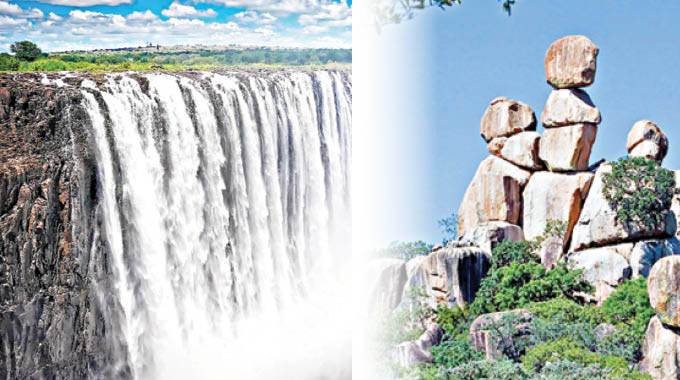
TOURISM is not just potentially the fastest growing part of the economy, but is also a far more sustainable accelerator of economic progress than most by being able to deal with climate swings and fluctuations in global markets.
The Second Republic placed special emphasis on tourism as it started planning far faster economic growth, seeing it as an obvious area for development, or at least the right sort of development, and with possibly the best return in terms of jobs and revenue for every dollar invested.
There were some clear requirements, but these fitted in with the other policies and programmes of the Second Republic.
The upgrade in diplomacy meant that far fewer people were worried about visiting Zimbabwe.
The desire by Zimbabweans themselves for a peaceful and low-crime country created exactly the sort of social environment visitors also wanted.
And while rules and regulations might well be simplified and licences combined and generally business being made easier, Zimbabwe has been dealing with the accumulated piles of bureaucracy very carefully, retaining what is needed, while simplifying the implementation of rules and regulations.
This means that our natural resources and natural beauty are preserved, even while making them more accessible.
The upshot is that more people are visiting Zimbabwe and, on average, are staying longer and so spending more, again a vote that they receive value for their dollars and feel they are treated properly, decently and honestly.
It has often been said that the most effective form of advertising is word of mouth, where you satisfied customers and clients talk about you with approval to their friends, business colleagues, neighbours and colleagues.
You cannot buy that advertising: but if you have it because you offer something special then it is priceless and needs to be continually built up and preserved.
The latest in this form of public approbation for Zimbabwe as a holiday and tourism destination has come from Forbes magazine, probably the top business magazine in the world and certainly a major voice in business circles.
The magazine’s sober assessment is that Zimbabwe is the best country in the world to visit.
Well someone has to top every list from the best to the worst, and Zimbabwe now tops a major list of the very best tourist destinations, combining all the pluses, from the range of attractions through the value offered to the peaceful and welcoming environment.
That sort of assessment comes up through a lot of input that Forbes tapped, from its staff and readers and admirers. So it will be made on facts that can be justified in public.
Zimbabwe gets a lot of other favourable publicity these days, and even when there is someone whose holiday might not have been perfect, we are more than willing to engage them and make sure that next time they come it will be a lot better.
We have been building up awareness of our range of attractions.
We might start with Victoria Falls and the big game, but we have been opening up the Great Zimbabwe human treasure, and less well-known physical areas such as the Eastern Highlands.
All this spreads the tourism dollars, and most importantly gives a visitor more to do and see when here so they spend more time. Day trippers are all very well, and need not be ignored, but someone wanting to spend several days or several weeks in the country is considerably more valuable.
Last year arrivals reached over 1,6 million, with US$1,2 billion in receipts and US$190,5 million in investments, both local and foreign.
Besides the obvious benefits of a growing tourism sector as simply an economic sector, there were some special reasons why we must concentrate so hard on building on our successes.
First tourism investment can cover a very wide range of facilities and services. So we can have small family businesses offering something special as well as global hotel chains.
This huge range of possibilities means that many Zimbabweans can participate at every level and we are not reliant on global investment, although this needs to be encouraged so we build everything up.
But local suppliers and local tourism companies can add to what the global investor offers, and can make sure that the visitor brought in by the global industry for a conference or something similar can also deal with local concerns.
Tourism is also a labour-intensive industry, so growth and investment adds a lot of jobs, from basic service jobs all the way to the sort of specialist and skilled people needed to cater to the global visitors.
And because we have a society that is very open to advancement and training, it is quite possible that someone starting off in an entry-level service job can reach very high levels by retaining their interest in visitors while building up their skills.
So far we have been doing well as we build, but we need to continually follow-up on our successes and never relax.
We will remain a desirable destination and one that attracts at lot of visitors by pushing ahead with what we have done right.
This is making sure that we market a full range of our many attractions, that we continuously keep a peaceful and pleasant country, that we offer good value for what people are able to spend, from simple family two-star accommodation to luxury hotels, and that we remember our visitors are very special.