

 Online Reporter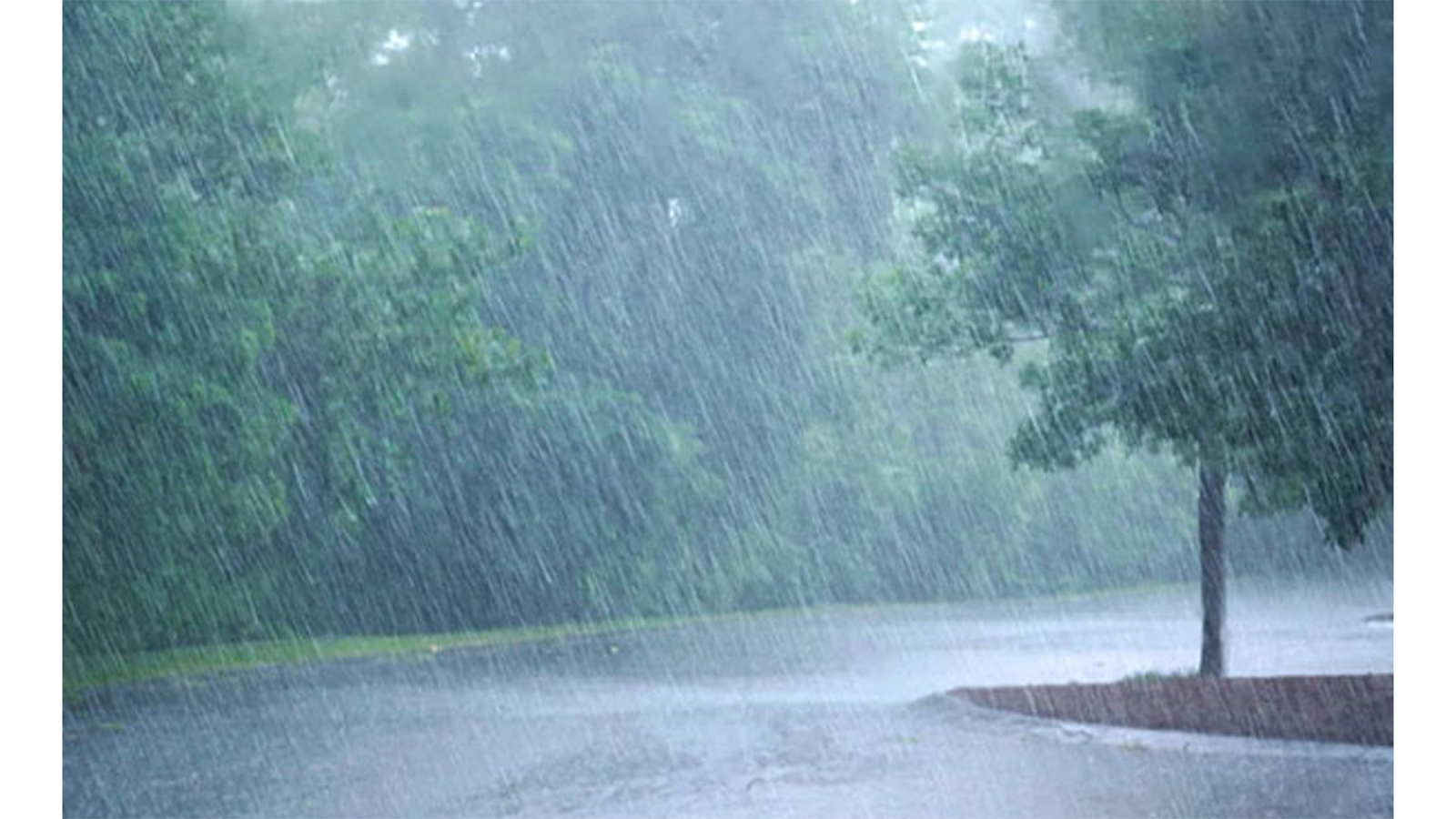
THE general Sadc forecast for the next summer rains indicates that something very similar to last season is most likely, with what has become the new normal of a latish start and then some reasonable rains allowing the growth and harvest of reasonable crops early next year.
Although we still talk about the season starting in October, with decent and consistent rains falling from early November, recent years have seen the start of the soaking rains being somewhat later and apparently this is what can be expected as the global climate warms up, although obviously when there is a chance of an earlier start we should be ready to grab it.
As has now become the norm, the meteorologists of the Sadc states have been meeting early, this time in Lusaka last week in their 31st Southern African Regional Climate Outlook, to apply their growing experience and meshed skills to giving Governments and farmers the best possible indication of what can be expected.
By tackling the first forecast regionally they are able to give strong indicators of what is likely to happen as they feed in the global trends and findings and this regional outlook provides a good starting point for the more detailed forecasts that farmers and Governments need.
More detailed national forecasts generally follow this week, fleshing out some trends and indications of the regional forecasts and taking into account the terrain and the resulting rain shadows and the like in the individual countries.
This is an important part of the Zimbabwean programme as our own Meteorological Services Department applies the decades of experience built up and is able to give a fair indication of the probabilities and risks in each area.
These initial forecasts and outlooks are valuable for the planners, the input providers and the individual farmers as they get ready for the season. If we know roughly what is most likely we can choose the right crops and the right varieties to have on standby so that when the rains start falling the farmers can move fast to plant.
The Second Republic switched a lot of the input preparation to make sure that all farmers had prepared their land well before the first storms, and that required inputs were then certified and delivered before the earliest possible planting dates.
This process includes what the Ministry of Lands, Agriculture, Fisheries, Water and Rural Development, participating banks and the private sector now treat as routine, making sure that the farmers getting inputs actually exist, with the land holdings they have listed, and that they will be using not selling off the inputs.
The simple checks put in place have all, but eliminated the sort of corruption that once bedevilled some of the schemes and programmes.
There is that dual process then in place for all farmers relying on dryland agriculture, of first having their land preparations done in time and approved and then having the inputs ready before the best time to plant.
The second process is waiting for meteorologists and agricultural experts, to give the word as soon as everyone is reasonably sure that enough rain has fallen in each district to start planting and that this rain is likely to continue.
Last year a lot of farmers and districts were given that word far later than they had hoped and what old-timers might have expected with their memories of what a good season might have looked like half a century ago. But the system worked remarkably well as most farmers were able to nurture and then reap and decent crop.
Research scientists had also played their part and with the generally shorter seasons we now experience, even in what we call a “good year” varieties of grains and other crops are usually available that can cope with this climate change.
The other aspect of our summer farming that the Second Republic is pushing hard is the extension of irrigation. Even in bad years, the drought years, we still get a reasonable amount of rainfall although this is inadequate and far too scattered for any record harvests, but is enough to feed the irrigation systems.
While the Government has been renovating older schemes and adding new ones and the larger private farmers have been building up their capacity, often using the same dams and reservoirs that the Government builds, President Mnangagwa launched a new scheme recently that allows smaller-scale farmers, especially as they get their title deeds under another Presidential scheme, to borrow to start building up their own irrigation equipment and potential.
Because some rain always falls, even when it is quite inadequate, summer irrigation normally allows a larger area to be watered than the pure 100 percent irrigation that winter farmers must adopt.
Experienced summer irrigation farmers may well use irrigation to establish their seedbeds and other parts of their cropping, but then they a more likely to hope for reasonable rains, but being ready to supplement these in dry spells or even if there is a more general drought. But even in the worst years a farmer using supplementary irrigation is still only doubling what falls from the sky and usually the irrigation is less than that.
This makes it economically and financially viable, as well as allowing more summer fields to be irrigated.
We have built up over the years, and especially the years of the Second Republic, a great deal of practical knowledge of when to plant and what to plant. This is a combination of the best research plus the practical smarts of the farmers and their advisors.
We need to be using that block of practical knowledge as much as possible to enhance yields, as well as filling gaps that we have seen appear.
We have moved away from “shooting the messenger” when it comes to predictions of bad seasons and have instead come to rely more and more on what respectable scientific advisors, with their integrity, are able to tell us.
With the best of their work this means we are able to prepare for the sort of season we are likely to have, rather than the one we would really like, but that in turn means we can maximise output.



