Online Reporter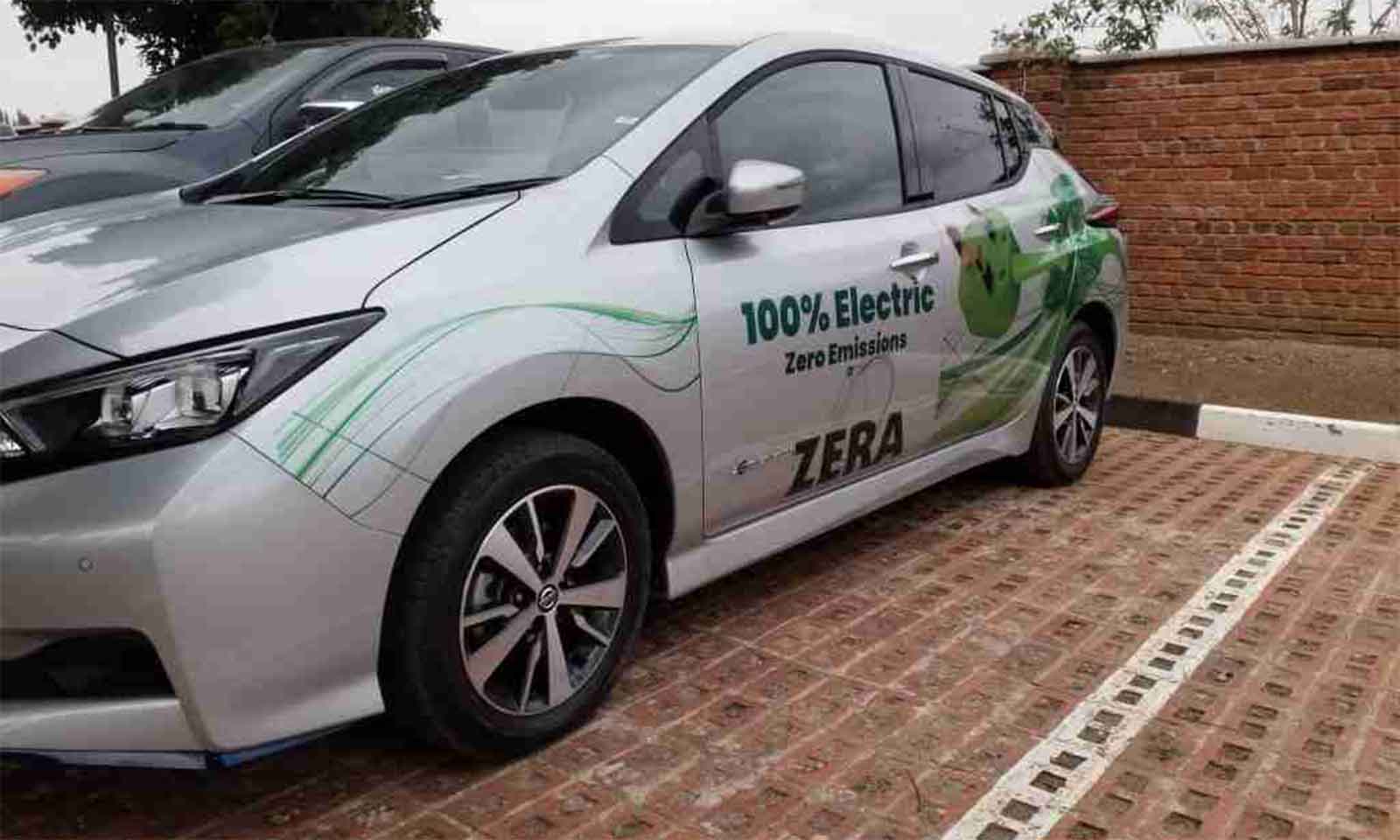
Zimbabwe has a great opportunity to become a major player in African vehicle manufacturing and we are talking about manufacturing rather than just assembling, because of the natural resources and the processes now in place to turn those resources into usable materials.
Once we are thinking about manufacturing of parts, rather than assembling of vehicles, we will need to start thinking regionally for both part manufacturing and markets, since manufacturing requires far larger volumes than a fairly small middle-income country can support.
This is why we need to be thinking within the framework of the African Continental Free Trade Area (AfCFTA), and having the links to suppliers and markets across the continent rather than trying to create a pure national product in a small country.
This appears to be the thinking of the African Association of Automobile Manufacturers and one of the reasons why a delegation from the association is now in Zimbabwe. Some very sensible people are looking at the future, and that future involves a continental market.
We need to remember that AfCFTA will involve free trade in products that meet rules of origin, and whatever temporary provisions might be in place, this will in the end involve that vehicles meeting the free trade criteria will have to have high percentages of components made in Africa from African raw material.
Free trade areas tend to be dubious about just assembling components sourced from outside the free trade area and want a lot of the manufacture of products, components and the materials that are used to make those products and components to be sourced within the free trade area.
This does not mean you cannot have investors from outside the area, since it is the manufacture, not the money that is listed in the rules of origin. Nor does it mean that you cannot have design of products from outside, so long as the manufacture, by a subsidiary of the outsider or through licensing agreements, is done inside the free trade area using local materials as far as possible.
Zimbabwe has some history of vehicle assembly, and even some history of manufacture and parts manufacture.
The two assembly plants built in the early 1960s assembled cars and light commercial vehicles from complete knocked-down kits.
As time went on, some local content was added, such as radiators, windows, exhaust systems and seats, but the body parts and the engine and drives were imported and assembled and that was the bulk of the value.
For some years almost all buses came through a different system. Dahmer redesigned buses for heavy loads on bad roads in rural Africa and then imported long lengths of chassis steel, aluminium sheets and light steel framing which were all cut in Harare and then used to build the body. An imported engine and drive and wheels were added, along with local seating and locally-made tyres. This was a step up, with imported materials but far more local manufacturing.
In many ways, it would make sense, as we start planning for vehicle component manufacture and vehicle manufacture, to be thinking of electric vehicles. Within a decade almost all new vehicles are supposed to be electric so it makes little sense to start a process to manufacture obsolete designs and equipment, especially as our strengths, and those of many of our neighbours, are likely to be stronger in the electric era.
Already there has been talk about lithium battery manufacture in Zimbabwe and this must be pushed somewhat harder than it has been. Lithium salts form the largest input into such batteries, and here Zimbabwe is now in world rankings. Nickel is the next most important material and we mine and process that. Next down the list is cobalt, but that is needed in modest quantities. We do not mine cobalt but we are fortunate that we have two neighbours, Zambia and DRC, who rank high in world production and so having a daily truck coming south is not a difficult or pricey operation.
We now have one of the most modern steel plants in Africa at Manhize. At the moment it is on pig iron, steel billets and bars, but the rolling mill to produce sheet steels is in the pipeline for the next phase. That is needed for body parts for vehicles.
Electric motors could be made here from imported copper around local steel cores, or perhaps more obviously sending the cores to Zambia and making the motors in Ndola. Under AfCFTA we are talking about continental markets and continental sources of supply so we would want the cheapest option to prevail to make the final sets of components competitive.
Manufacture of body parts requires serious investment in large hydraulic presses and the necessary tooling on each side of the press to bend the sheet steel into the required part.
Here it might be sensible to be looking at a suitable major world manufacturer to supply the tooling.
Chinese companies might well be interested since they need to be inside free trade areas.
Their electric cars are considered such good value that there are high tariffs in some parts of the developed world to protect local makers.
We are not talking about tomorrow for much of this manufacturing, but we are talking about very few years so it would make sense now to start the planning, thinking about sources of investment, looking at what components might be available from African sources within AfCFTA, setting up partnership for other components, figuring out what should be made in Zimbabwe and all the other details.