Online Reporter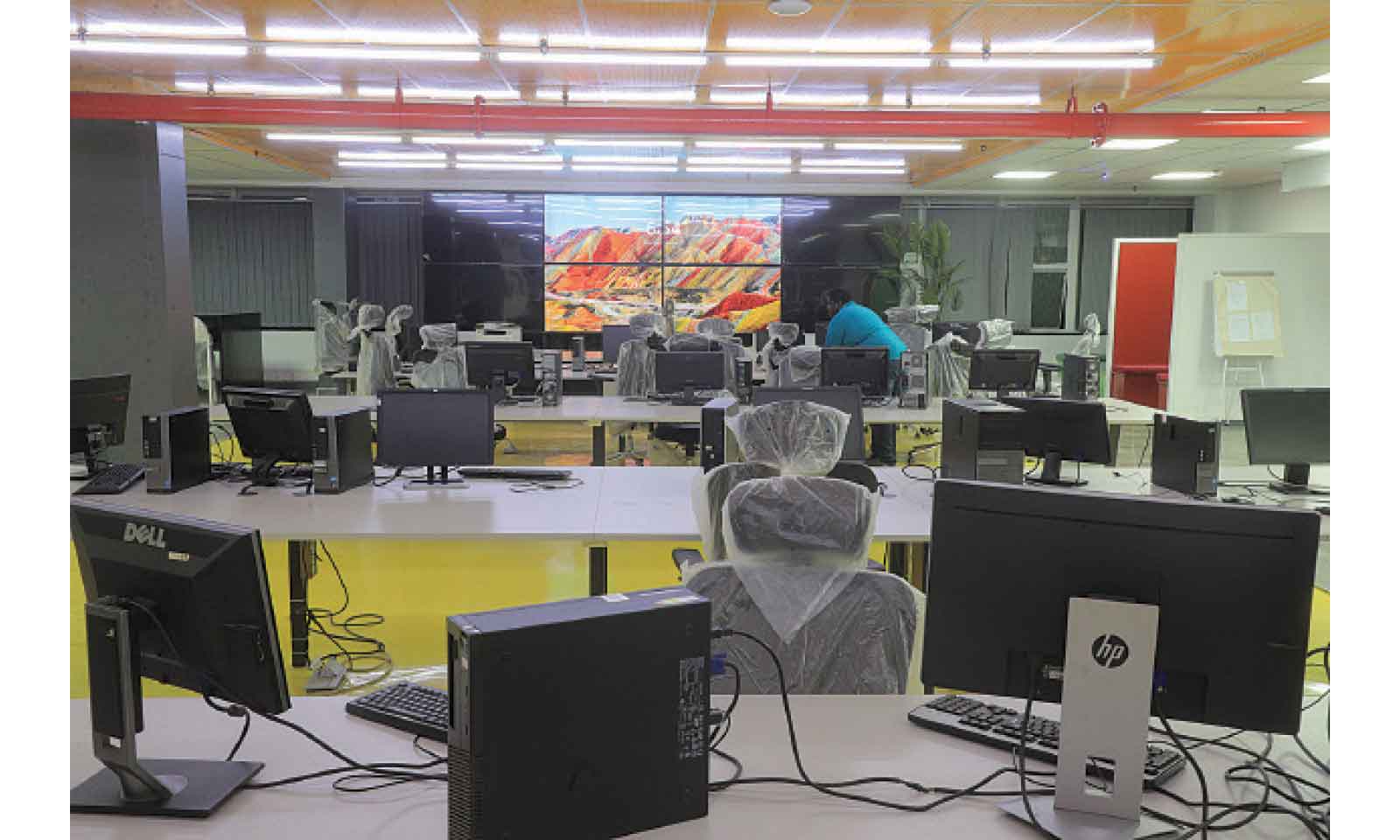
THE Zimbabwe Newspapers Group has moved into the digital era, ensuring that its quality journalism can reach far more people and is accessible to both new and old audiences, while retaining the core principles of good journalism: accuracy, integrity and relevance.
Throughout the world the last two or three decades have seen the need for newspaper and multimedia companies, and Zimpapers is both, to migrate to digital platforms.
Some have fallen by the wayside but organisations that have laid stress on a core of solid journalism and making sure that those who read, watch and listen to their material get a good deal are now flourishing after some difficult years.
Over the last year in particular, Zimpapers has been using the build-up skills grown during initial advances online to develop a range of platforms for all titles that can be accessed on a wide variety of devices.
These include mobile gadgets so that those who rely on us for fast and accurate news have a wide choice over how to access that news.
Traditional print remains, and the presses will continue to run, since there is a significant block of readers who want their news in a printed newspaper delivered or easy to buy from a vendor or in a shop.
Others who prefer to read their news on a screen, and this would include seeing the pictures, can go online. The stories and pictures are the same, regardless of medium, at least in the final version, so it is up to the person who wants the news to choose.
At the same time, the advent of modern online systems allows breaking news to be published very soon after the event, in fact as soon as some experienced journalist has done the fact check to ensure that Zimpapers continues to publish accurate information rather than the dubious material that can build up online in some social media in the absence of real journalists.
Zimpapers has also managed to expand its footprint beyond the reach of the printed versions using the modern online presence. It now appears that up to 11 million readers at some stage access a Zimpapers title, with a large group outside the country in the diaspora, where Zimbabweans want to keep up with the home country news, or among those interested in Zimbabwe and wanting a solid source of checked out and accurate news.
Online also allows some specialised news that once might not have found room in a printed paper to be published, so expanding the reach of Zimpapers in both depth and in range.
The upgrade and major build of online platforms also helps the financial viability of Zimpapers, making sure that the costs of quality journalism can be met.
Subscriber income has been there from the very beginning of print in Zimbabwe in the 1890s, but so has advertising revenue. Advertisers use the platforms, from a printed newspaper to an online presence, to reach those seeking quality news.
Online systems allow advertisers more openings to reach far more groups of potential customers, from everyone who might want to see a story to specialist readers.
Zimpapers has a number of ethics policies to make sure that advertising and news journalism will not be confused and that the journalists retain their independence from commercial interests.
Advertisers are more than welcome to hitch a ride so they can reach the readers, but their product is always clearly labelled as advertising, not journalism selected by an experienced editor.
The changeover to the integrated multi-platform era can best be seen by visitors to Herald House in the modern integrated newsrooms dedicated to writing, broadcasting and television.
Considerable investments have been made to ensure that all journalists can, as far as possible, be in the same newsrooms and that the variety of editors selecting material for specialist platforms are able to communicate easily.
This could have happened a lot earlier, even in the pure print days, but the onset of online platforms and the need for all inputs to be considered equally has concentrated minds to build a physical infrastructure that makes the modern systems easier to manage.
Zimpapers has, in fact, been integrating newsrooms for most of the past year but this has meant groups of journalists still sitting in clumps across several floors, rather than having everyone in the same newsroom able to interact almost instantaneously and so give those who use our services the best possible deal.
But all the expansion of platforms, the reorganisation of how we gather news, the use of modern technologies does not alter what lies at the core of a successful news organisation, the trust of those who read, watch and listen to what we produce.
Their belief in our integrity and our determination that what we publish will always be, so far as is humanely possible, accurate and relevant, that is built by journalists following the ethics of our profession.
All the changes mean that we can reach far more people far more easily and that we can present this quality journalism on many platforms.
But in the end there must be that quality journalism to present, and the content is the core, while the mediums we use are just the way we get the content to our readers.