
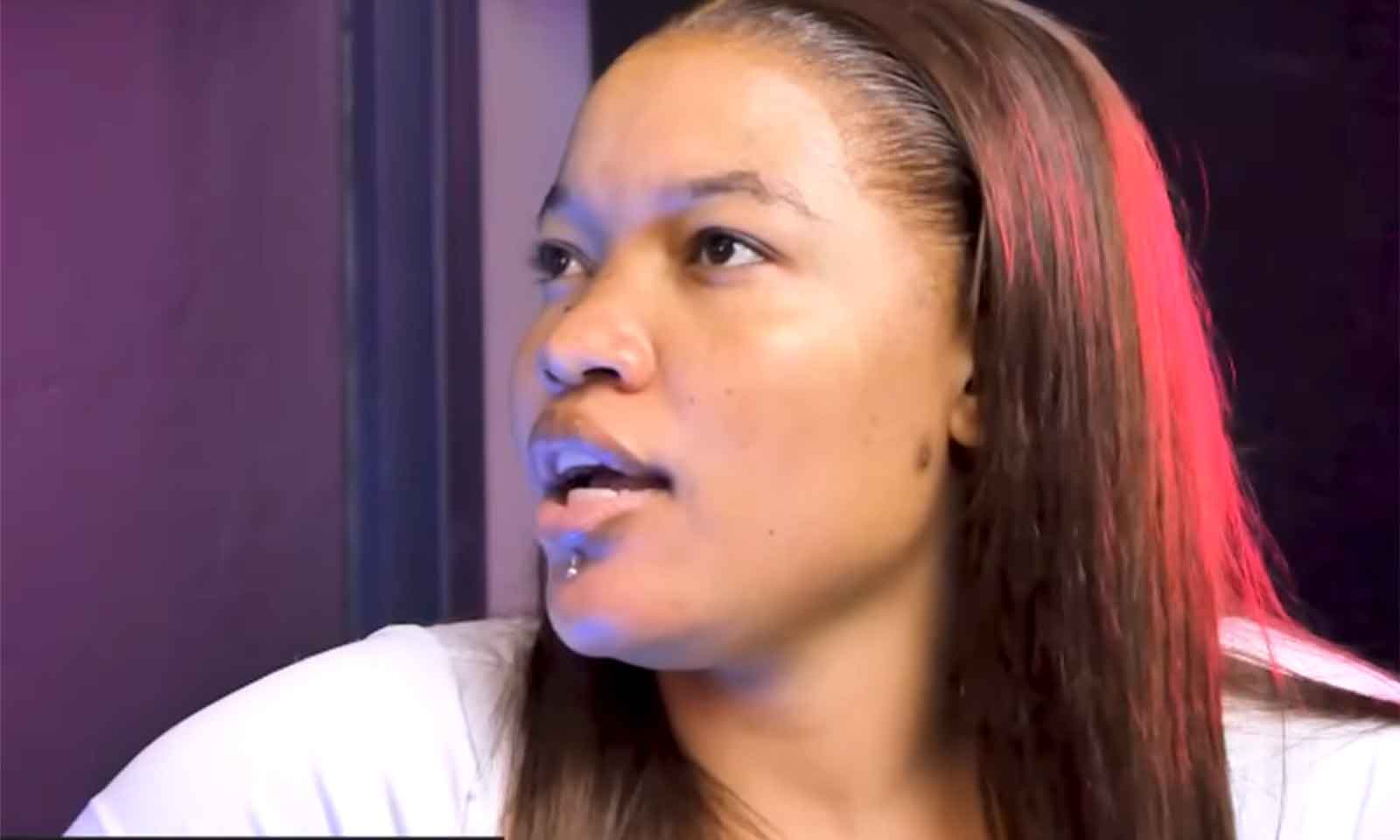
WE join all those who are outraged over Malloti’s use of foul and offensive language on social media.
This has sparked an important national conversation about accountability, digital ethics, and the responsibilities that come with influence on the online space.
In an era where social media posts can reach thousands, if not millions, within minutes, the words used by public figures matter greatly.
Malloti’s conduct is, therefore, being widely condemned not simply as a personal lapse, but as behaviour that reflects a broader problem of declining standards in online discourse.
Many Zimbabweans have expressed concern that the repeated use of vulgar and abusive language on social media contributes to the normalisation of disrespect and hostility.
When influential individuals engage in such behaviour, it sends a dangerous message, especially to young people, that aggression and insult are acceptable forms of expression.
Social media already struggles with toxicity, cyberbullying, and harassment, and incidents like this only worsen the environment, making digital platforms less safe and less constructive.
The outrage is also rooted in expectations of leadership and responsibility.
Public figures, artists, influencers, and commentators occupy positions of visibility and influence.
While they are entitled to freedom of expression, that freedom comes with a duty to exercise restraint and respect.
Foul language, particularly when directed at individuals or groups, crosses the line from expression into abuse.
It undermines public dialogue and distracts from meaningful engagement on social, political, or cultural issues.
Beyond moral condemnation, the situation raises questions about the role of authorities and regulators.
Zimbabwe already has laws that address abusive communication, harassment, and the misuse of digital platforms.
Authorities could begin by consistently enforcing existing cyber laws to deter repeat offenses.
Clear consequences—such as fines, warnings, or mandatory apologies—would send a strong signal that online spaces are not lawless zones where anything goes.
Regulatory bodies and law enforcement agencies could also work more closely with social media companies.
Platforms like Facebook, X, and TikTok have community standards that prohibit hate speech, harassment, and abusive language.
Authorities can encourage or formally request stricter enforcement of these standards against repeat offenders, including temporary suspensions or content removal where necessary.
However, enforcement alone is not enough. There is a strong case for public education and awareness campaigns on digital citizenship.
Teaching users — especially young people and influencers — about responsible online behaviour, the legal consequences of abuse, and the long-term impact of digital footprints can help prevent similar incidents.
Authorities, schools, civil society, and media organisations all have a role to play in promoting respectful online communication.
It is also important that any action taken avoids selective application of the law. Public trust depends on fairness and consistency.
If authorities are seen to act only against certain individuals while ignoring others, outrage will deepen rather than subside.
A balanced approach that respects freedom of expression while clearly defining and punishing abuse is essential.