Online Reporter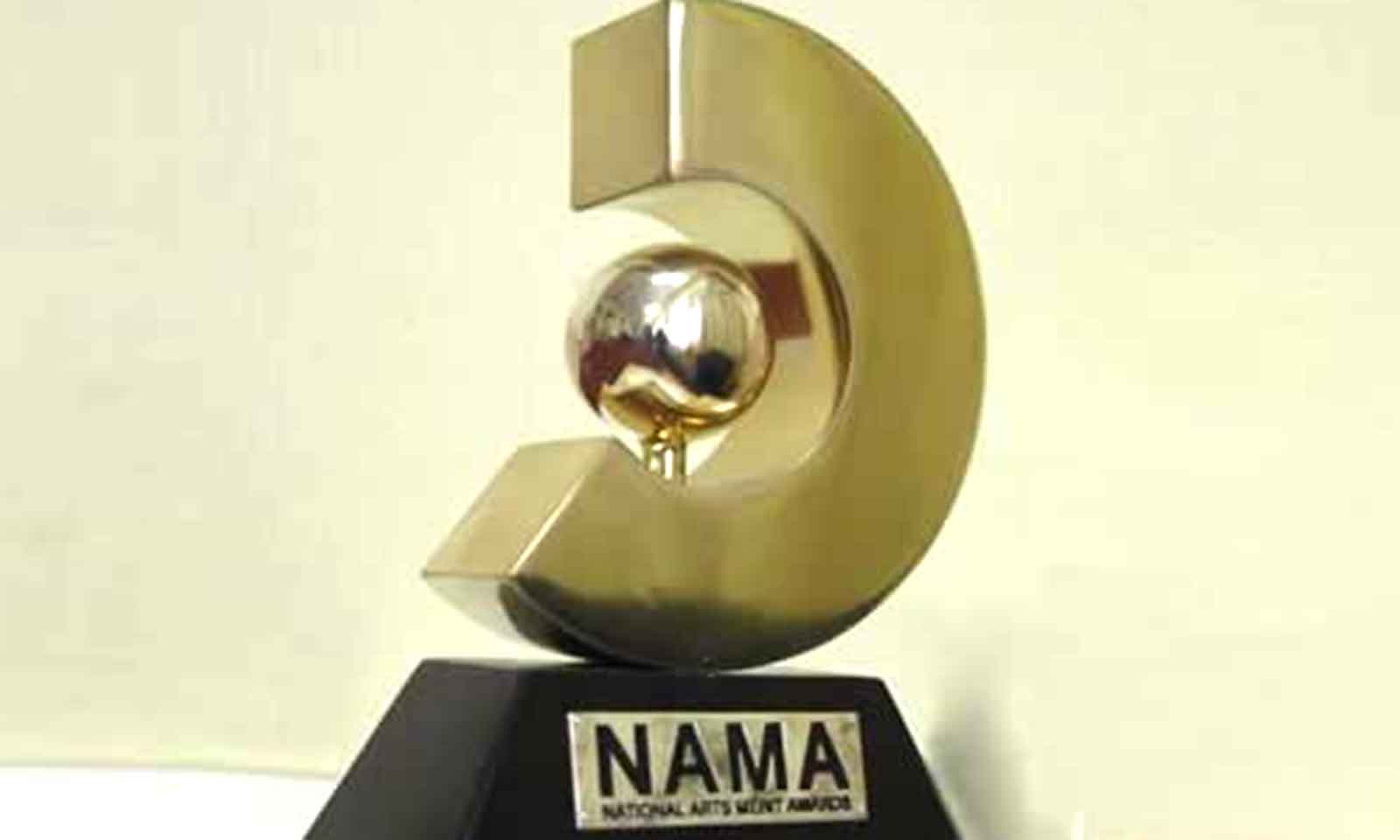
THE National Arts Merit Awards (NAMA) People’s Choice category, where social media star Ritz finished with more votes than superstar Jah Prayzah, was always going to spark intense debate.
At the heart of the issue is not just the numbers on the voting chart but a broader discussion about how public voting works — the power of fan bases, and the perception of fairness in awards that are meant to celebrate the country’s artistic excellence.
For many, the shock stemmed from the stature of Jah Prayzah.
Over the years, he has become one of the most dominant and influential figures in Zimbabwean music.
With countless hit songs, sold-out shows, and a strong regional presence, many fans naturally assumed that he would comfortably dominate a category that relies on public popularity.
When the voting figures showed that Ritz had garnered more votes, it was always going to torch controversy. However, this controversy may actually highlight an important truth about modern fan culture.
Popularity, especially when it comes to races determined by online votes, is no longer measured only by longevity or mainstream visibility.
Younger or emerging artists like Ritz often have highly mobilised digital fan bases that are extremely active when it comes to online voting campaigns.
In today’s social media-driven world, a well-organised fan community can significantly influence results, especially in categories that depend heavily on public participation.
Another important factor is that the People’s Choice category is designed to be unpredictable.
Unlike technical awards judged by panels of experts under institutions, this category essentially hands power to the public.
That means the outcome will always reflect the enthusiasm of voters at a specific moment rather than an artist’s overall career achievements.
In that sense, even surprising results should be seen as part of the democratic spirit of the award.
The uproar also reveals the deep emotional connection Zimbabweans have with their artists.
Music in Zimbabwe is not just entertainment; it is part of the national identity.
Figures like Jah Prayzah carry a cultural weight that extends beyond the stage, which is why any suggestion that another artist outperformed him in a popularity contest immediately attracts attention.
Yet this should not necessarily be interpreted as disrespect to his legacy.
Instead, it may simply show that the local music industry continues to evolve and produce artists capable of energising new audiences.
For Ritz, the debate could also represent a defining moment.
Whether one believes the results were surprising or not, the fact that her name is now being mentioned in the same breath as Jah Prayzah indicates a level of recognition that many artists spend years trying to achieve.
The discussion itself has elevated her profile and introduced her to audiences who might not have previously followed her work.
Ultimately, the lesson from this controversy is that awards like the National Arts Merit Awards should be viewed as celebrations rather than battlegrounds.
Healthy debate about results is natural but it should not overshadow the broader purpose of honouring Zimbabwean creativity.



 Mathew Masinge