

 Online Reporter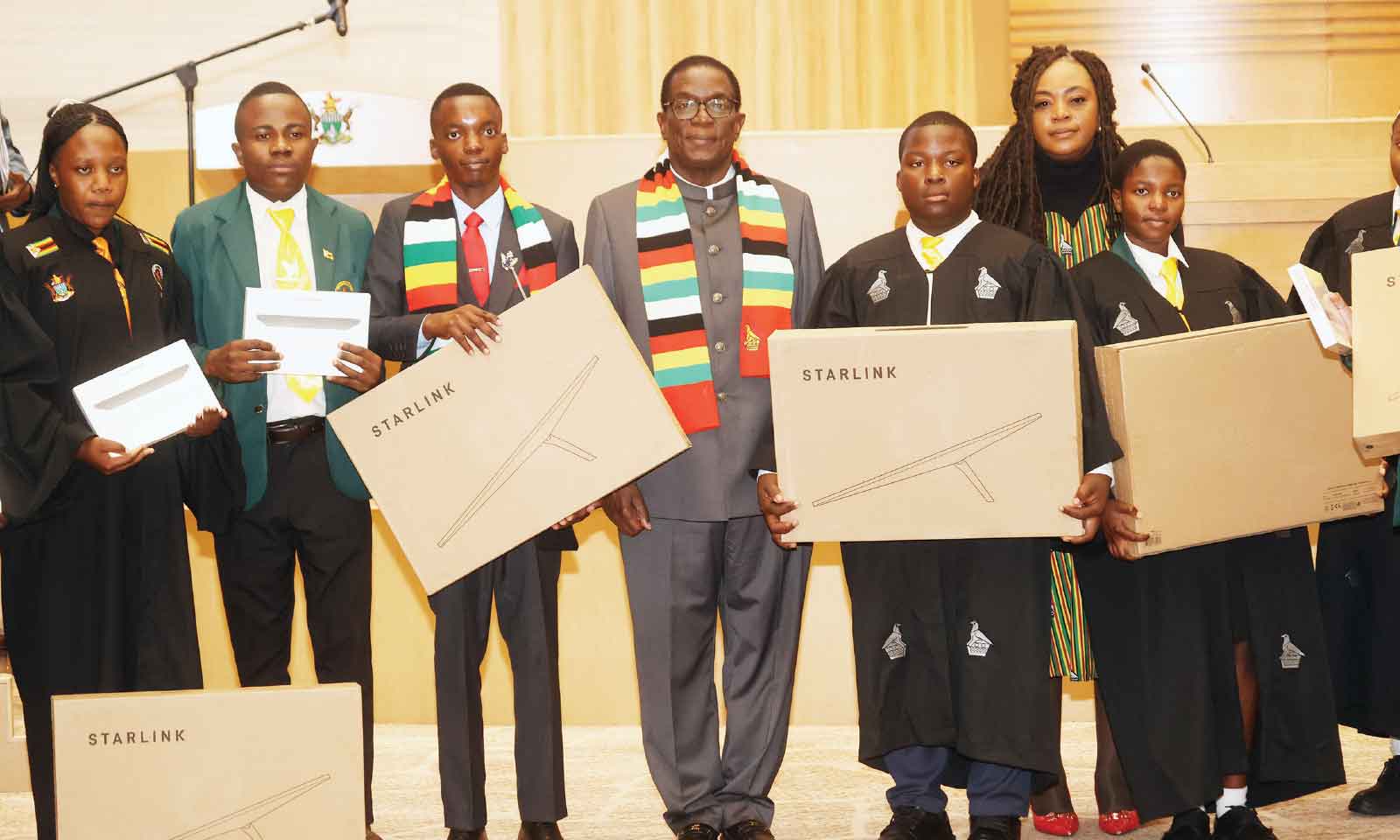
Remember Deketeke
Herald Correspondent
Following extensive teacher training, distribution of learning materials, and major investments in digital infrastructure, the Government is now ready to roll out the first Heritage-Based Curriculum 5.0 examinations this year.
The HBC is an education framework adopted in 2024, designed to make learning practical, relevant, and economically productive by drawing on Zimbabwe’s rich cultural heritage, natural resources, and indigenous knowledge systems.
It shifts education from rote learning to skills development, focusing on leadership, problem solving, innovation, business and financial literacy, entrepreneurship, patriotism and Ubuntu.
In an interview with The Herald yesterday, Primary and Secondary Education Minister Torerai Moyo said the ministry completed critical groundwork to ensure the smooth implementation of the curriculum, which replaced the competence-based framework.
“We reviewed the curriculum in 2023 and 2024, removed the competence-based curriculum and replaced it with the heritage-based curriculum 5.0,” he said.
“We started implementing the heritage-based curriculum in 2024 and in 2026, we are going to have the first heritage-based curriculum examinations across all public examinations.”
He said learners would sit for HBC-aligned examinations at Grade Seven, Form Four and Form Six, with the first sitting scheduled to begin in September 2026, starting with Grade Seven.
“In terms of preparedness, we are ready,” said Minister Moyo.
“We distributed syllabi in 2024, we distributed teachers’ guides in 2024 and we conducted several workshops to train our teachers so that they fully understand what is expected of them.”
The Minister stressed that teachers were central to the success of the new curriculum. The best implementer of a curriculum is the teacher,” he said. “It is mandatory and compulsory for the ministry to train the people who implement the heritage-based curriculum.”
He said the ministry had rolled out large-scale teacher professional development and capacity-building programmes, including specialised training in emerging fields.
“We have trained more than 500 teachers in coding and robotics,” said Minister Moyo.
“These are very important tools in the implementation of the heritage-based curriculum and this training will continue this year.”
Prof Moyo revealed that the ministry was also incorporating artificial intelligence (AI) into teaching methods to enhance the delivery of the HBC.
“We are evolving applied scholastics from the United States of America. We were in the US three weeks ago where we were trained on how to improve our pedagogy and infuse AI as part of the heritage-based curriculum.”
He said early indicators pointed to steady progress, citing the assessment of school-based projects as a core component of the curriculum.
“The school-based projects have already been examined at Grade Seven, O-Level and A-Level last year,” he said.
“That is a key component of the heritage-based curriculum, and I am very happy with the progress we have made so far.”
On resources, Minister Moyo said Government and development partners had provided financial and material support to ensure schools were adequately equipped.
“Through our public-private partnerships, we have received support from UNICEF to the tune of US$2 million for the production of teaching and learning materials and for the procurement of laptops, iPads and tablets,” he said.
“These are necessary digital tools needed for the implementation of the heritage-based curriculum.”
Prof Moyo paid tribute to the Treasury’s financial backing of the education sector.
“I must say I am very happy with the support we are getting from the Government, from President Mnangagwa,” he said.
“From 2023, the ministry has received the highest level of support and we have utilised those resources towards the procurement of digital tools.”
He said the investment was already bearing fruit.
“Our students will perform better than they did in previous years,” he said.
Minister Moyo said the Second Republic had adopted a whole-of-Government approach to solarisation, particularly in rural and marginalised areas, to bridge the learning gap between rural and urban areas and ensure the use of ICT gadgets that are being distributed across the nation.
“As we speak, the Government is solarising schools in several rural provinces and districts. In Muzarabani (Mashonaland Central) alone, more than 50 schools have been solarised. The same is happening in Guruve North, Chipinge (Manicaland), Beitbridge and Gwanda (both in Matebeleland South).”



