Online Reporter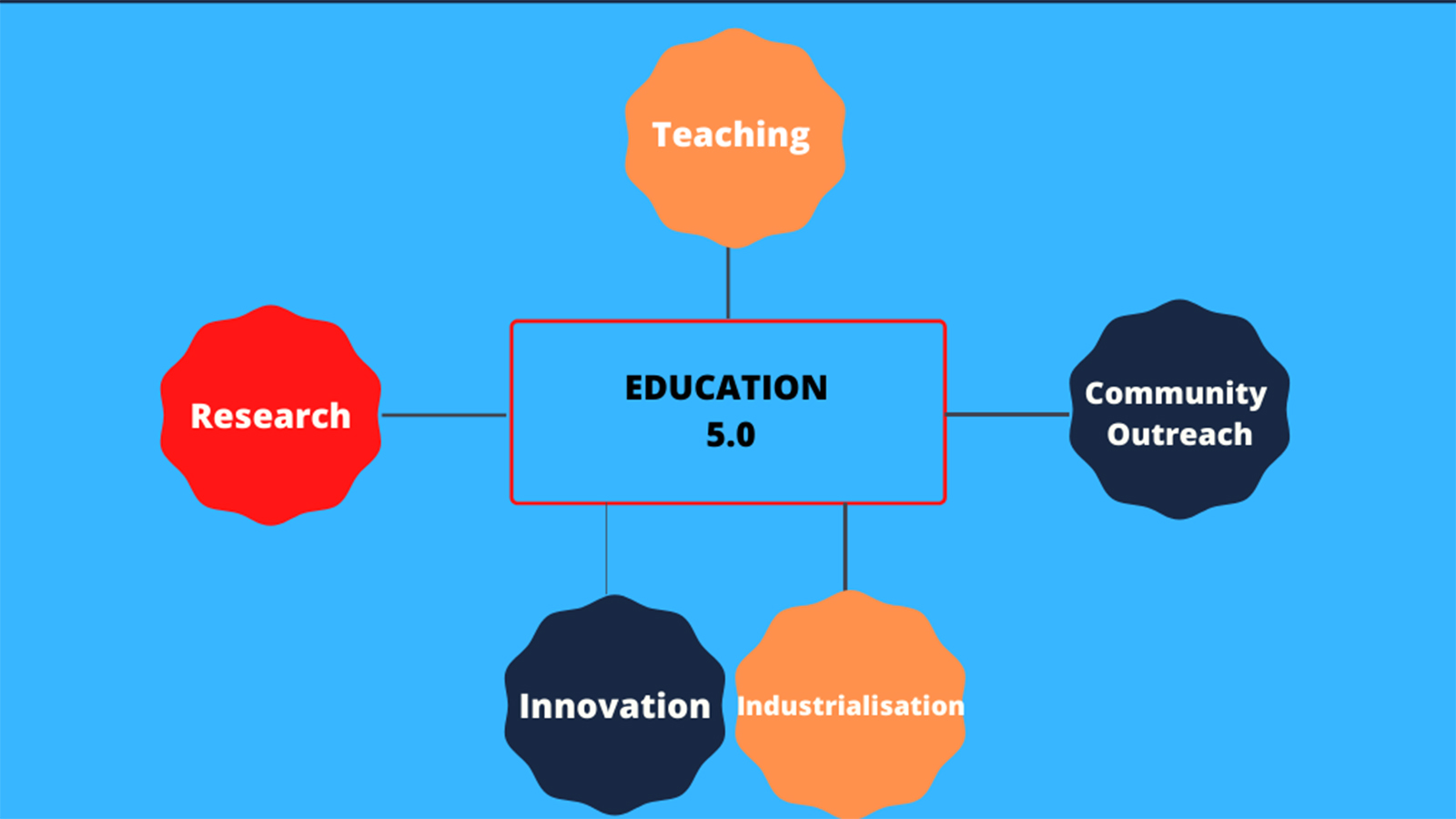
Peter Matika
ZIMBABWE’S bold transformation of higher and tertiary education through the Education 5.0 model has been commended by regional and international research and innovation bodies, with experts describing it as a blueprint for Africa’s knowledge-driven development.
The transformative model, anchored on teaching, research, community service, innovation and industrialisation, positions the country among the few African countries implementing an education system that directly drives industrial growth and economic transformation by adding applications to the theoretical academic base.
The country is currently hosting the 2025 Global Research Council’s Sub-Saharan Africa regional meeting, following a successful bid by the Research Council of Zimbabwe. Participants toured the National University of Science and Technology (Nust) yesterday, gaining first-hand insight into the Education 5.0 approach, research initiatives and various innovations at the institution.
Ms Nosisa Dube, director for evaluations and impact assessment at the National Research Foundation in South Africa and co-chairperson of the Global Research Council, hailed Zimbabwe’s approach.
“Zimbabwe’s approach has moved universities from being centres of theory to becoming hubs of industrial activity and community transformation,” she said.
Ms Dube noted that the SGCI Academic Symposium, held alongside the Global Research Council meeting, will serve as the inception for a new cohort of bilateral research projects, focusing on research impact, ethical practice and collaboration for transformation.
“It will showcase cross-country research partnerships addressing shared priorities, from sustainable agriculture and renewable energy to AI and health innovation, while also linking research outcomes to policy and community needs,” said Ms Dube.
A highlight of the event is the interactive bridge session on Curiosity-Driven Research, connecting the Global Research Council meeting with the SGCI symposium.
Ms Dube explained that this session explores how African perspectives on curiosity and fundamental inquiry can shape global narratives and influence future research systems.
“This session will explore how African perspectives on curiosity, creativity and fundamental inquiry can shape global narratives and influence the design of future research systems. By linking the deliberations of research councils with the lived experiences of scientists, the session underscores the role of curiosity as a unifying force across disciplines and geographies.”