Online Reporter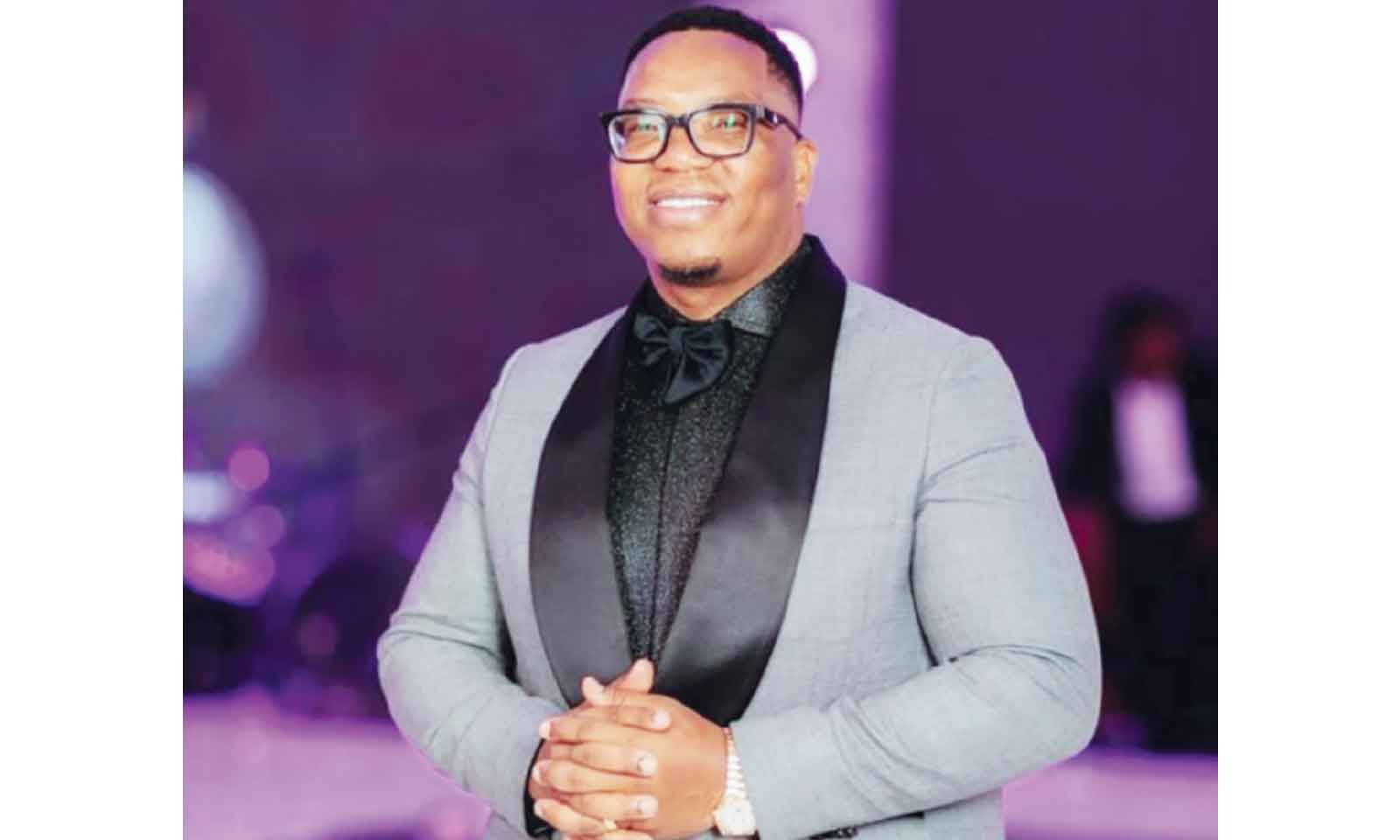
Entertainment Editor
THE Ekhaya Festival is emerging as far more than just another gospel concert on Zimbabwe’s calendar.
This year’s edition places strong emphasis on nurturing raw talent while enjoying the warm support of the Bulawayo community, which continues to embrace the event as both a cultural and spiritual homecoming.
Scheduled for this month, the festival has become one of the most anticipated gatherings in the city, largely due to its unique blend of established gospel heavyweights and promising newcomers who are being given a rare opportunity to perform on a major stage.
At the heart of the festival is award-winning gospel singer Everton Mlalazi, who returns not only as the headline act but also the driving force behind its vision and direction. For him, Ekhaya is no longer just an event — it is a purposeful platform.
“We are not building a show; we are building people. The idea is simple: give raw talent a stage, give them dignity and let them grow in front of a real audience,” he said.
Mlalazi said many gifted artistes across Zimbabwe remain unheard because of limited access to opportunities.
“There is so much talent in our communities. You find people singing in churches, schools and even on street corners and they are incredible. The problem is not talent — it is opportunity. Ekhaya is trying to bridge that gap.”
This year’s line-up reflects that mission clearly. Alongside established names in the gospel industry, organisers have deliberately included emerging artistes who are still building their careers but show immense potential.
Rising acts such as Mwenda Shimuzhila, Tehillah Testament, Minister Herman, Vusa Mangena, Conqueror, Vocal Base, Pastor Barak Family, Dunamis Men and Reality 7 will share the stage with seasoned gospel figures including Canaan Nyathi, Oncemore Six, Loveness Mukutirwa, Mai Mwamuka, Lorraine Maplanka, Takesure Zamar, the Zimpraise Choir, Blessing Jeduthun and Dumi Mkokstad.
Mlalazi explained that this deliberate mix fosters mentorship and collaboration rather than separation between established and emerging artistes.
“When you put young artistes next to experienced ones, something changes. They learn, they grow and the audience also discovers new voices. That is how industries survive,” he added.
“We are not saying the young ones are there to fill space. They are there because they belong there. If you can minister, if you can sing, you deserve the platform.”
Beyond the stage, the festival enjoys strong support from the Bulawayo community, which views it as both a cultural pride point and an economic boost.
Local residents, churches and businesses have welcomed its return, noting its positive impact on tourism, small enterprises and city vibrancy. One resident, Nomsa Nkomanza, described the festival as part of the city’s identity. “Ekhaya is not just a concert . . . We see people from different places and churches, and it brings life to the city.”
Another community member, Sipho Ncube, highlighted its broader impact.
“When the festival happens, taxis are busy, lodges are full, vendors sell more. It is not just spiritual; it is economic for Bulawayo. We are happy it is growing,” said Ncube.
Mlalazi acknowledged this overwhelming support, emphasising that the festival belongs to the people of Bulawayo as much as to the performers.
“This is not my festival. It belongs to the community. We are just stewards of something that the people have embraced. The support has been overwhelming — people open their homes, they volunteer, they promote it, they believe in it. That is powerful.”
He also underscored the importance of culture within the festival, noting that it celebrates identity as much as it celebrates music.
“We are not just singing songs. We are expressing who we are. Our languages, our traditions, our stories — they all matter. Culture is not separate from worship; it is part of it.” The inclusion of both South African and Zimbabwean artistes is expected to strengthen cultural exchange, with performances showcasing a rich blend of languages, rhythms and styles rooted in African identity.
“When people come together through music, barriers come down. We stop seeing differences and start seeing connection. That is what Ekhaya is about,” said Mlalazi.
As preparations intensify, organisers are paying close attention to every detail from sound and staging to safety, as well as guest experience. “We want excellence. Not because we are trying to impress, but because people deserve quality. If you are going to bring your family, your friends, your church, it must be worth it,” said Mlalazi, emphasising excellence is non-negotiable.