Online Reporter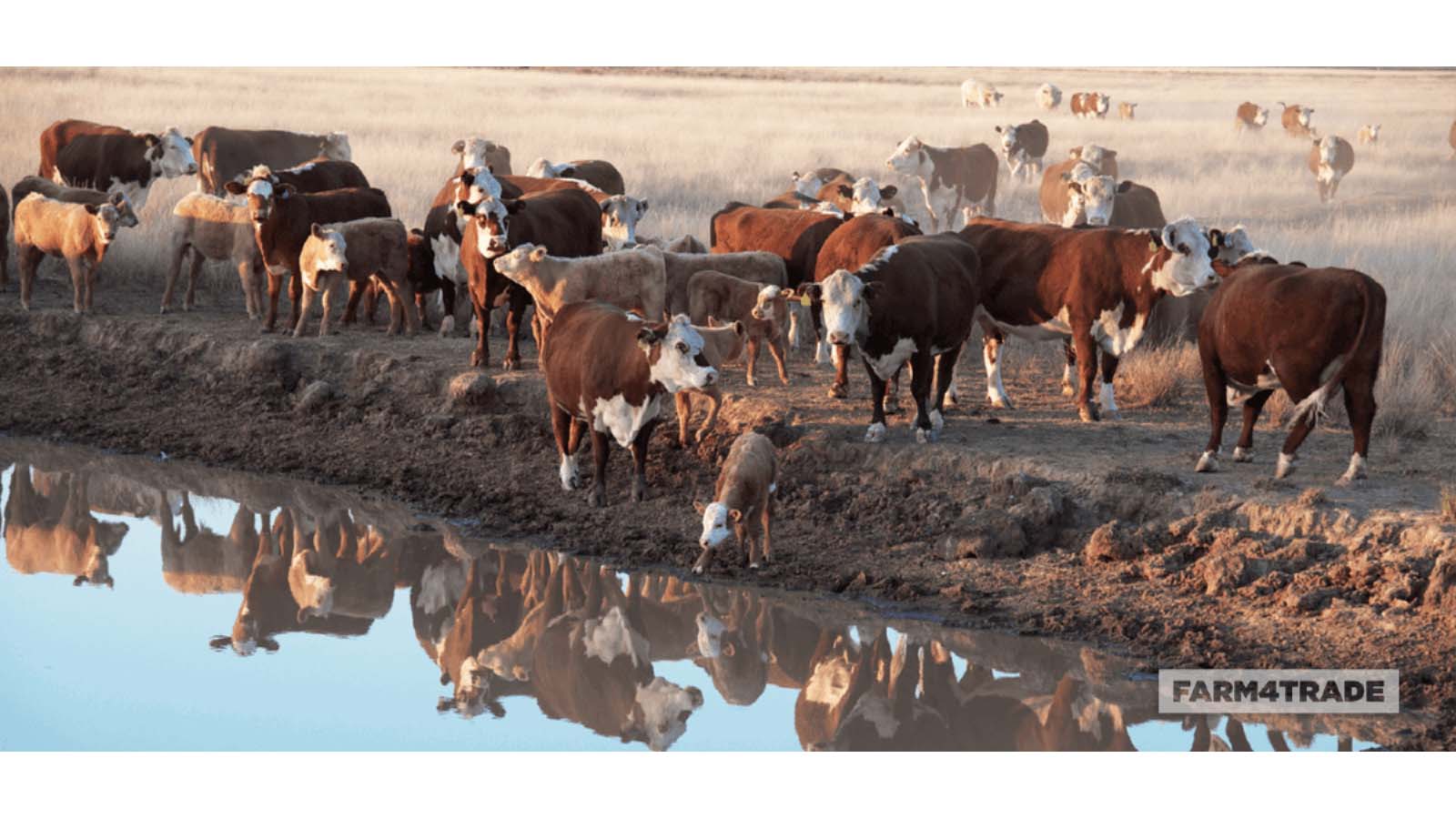
Word from the Market
Tina Nleya
LAST WEEK, we discussed traceability and standards, and how increasingly competitive agricultural markets reward farmers who can demonstrate where their produce comes from, how it was produced and whether it meets the requirements of the buyer.
This week, another issue is shaping conversations across the agriculture sector: El Niño.
For farmers, the immediate question, naturally, is: Will it rain this year?
For the market, however, the question is broader: If rainfall becomes more erratic, what changes in the way we produce, buy and sell agricultural commodities?
This is where climate-proofing agriculture becomes a market issue, not simply a weather issue. Zimbabwe’s Meteorological Services Department has already signalled an increased likelihood of El Niño conditions during the 2026/2027 season.
However, an El Niño forecast should not automatically be interpreted as a declaration that every part of Zimbabwe will experience drought.
Seasonal conditions vary by location, timing and intensity, making continued attention to official forecasts and extension advice important. What the early warning does provide is something every successful business values: time to prepare. The Government has adopted an early-warning, early-action approach and outlined measures aimed at strengthening grain reserves, expanding climate-smart agriculture, supporting agricultural financing, protecting livestock, facilitating strategic food and feed imports where necessary, and improving coordination and early-warning systems.
For the ordinary farmer, these measures have a very practical meaning. The coming season will reward farmers who manage risk before putting seed into the ground.
Climate-proofing does not necessarily mean abandoning maize or dramatically changing an entire farming enterprise. It means matching production more carefully to agro-ecological conditions. In areas more exposed to moisture stress, farmers may consider increasing the proportion of sorghum, millet and other drought-tolerant crops in their production mix.
Short-season varieties, conservation agriculture, water harvesting and Pfumvudza/Intwasa become increasingly important tools.
The Government’s continued promotion of Pfumvudza/Intwasa, therefore, goes beyond household food security.
Moisture conservation, timely land preparation, appropriate plant populations and efficient use of inputs are increasingly becoming good agricultural economics.
The same principle applies to irrigation. The Government is progressively expanding the area under irrigation as part of efforts to reduce dependence on rain-fed production.
In a season characterised by rainfall uncertainty, reliable water sources can become a significant competitive advantage. Producers with irrigation equipment may be able to maintain more consistent supply at times when production from rain-fed systems tightens.
And that is where the marketplace becomes particularly interesting.
Weather shocks rarely affect every commodity, farmer and location equally. Instead, they change supply patterns. If maize availability tightens in some producing areas, demand may strengthen elsewhere.
If more farmers move towards traditional grains, processors and traders will need to anticipate increased volumes of sorghum and millet.
If vegetable production becomes concentrated around reliable water sources, buyers may have to develop stronger relationships with irrigated production clusters.
For traders, this is, therefore, a season to strengthen market intelligence.
Knowing where a commodity is being produced, expected volumes, quality, timing of harvest and prevailing prices will become increasingly valuable.
Traders should be speaking to farmers earlier, identifying alternative supply areas and securing reliable suppliers instead of waiting until commodities are already scarce.
Storage will also matter.
When markets anticipate possible supply shortages, there is often temptation to respond emotionally. Good agricultural marketing requires the opposite. Farmers should make selling decisions using production costs, market information, cash-flow requirements and storage capacity rather than speculation.
The role of institutions such as the Agricultural Marketing Authority (AMA) becomes particularly important in such periods.
Timely market information helps both farmers and buyers make informed decisions and reduces unnecessary market uncertainty.
Livestock farmers must also prepare early.
Dry conditions can reduce grazing and water availability, putting pressure on livestock body condition.
Farmers should, therefore, assess available grazing, secure supplementary feed where possible and plan livestock sales strategically.
The worst time to negotiate the price of an animal is when there is no longer enough feed to keep it. Early marketing allows farmers to choose when, where and to whom they sell.
Competitive livestock marketing platforms, auctions and organised buyer linkages can improve price discovery and reduce the risk of farmers becoming distressed sellers.
For traders and processors, changing livestock and grain conditions may also influence feed markets.
Maize, soya beans and other feed ingredients link crop production directly to poultry, dairy, beef and pig production.
Climate risk in one commodity can, therefore, travel through several value chains.
This interconnectedness explains why the Government’s preparedness measures are important.
Strengthening the Strategic Grain Reserve helps create a national buffer. Supporting climate-smart production protects domestic supply. Irrigation investment reduces rainfall dependency.
Livestock interventions protect productive assets. Agricultural finance gives farmers room to invest in adaptation, while early-warning systems improve the quality of decisions throughout the value chain.
The objective is not to remove climate risk entirely. No agricultural system can control rainfall. The objective is to make the agricultural economy less vulnerable to rainfall variability. For farmers, the message ahead of the 2026/2027 season is, therefore, not one of panic, but preparation.
Know your agro-ecological conditions. Follow official weather information. Prepare land early. Choose appropriate varieties. Diversify where economically sensible.
Protect water and soil moisture. Understand your production costs and begin conversations with potential buyers before harvest.
For traders, know where supply is likely to come from and remain close to the market.
Zimbabwe cannot determine whether El Niño develops or how strongly it eventually influences the season. What the country can determine is how prepared its agriculture sector is. That is ultimately what climate-proofing agriculture means: ensuring that even when the weather changes, production continues, markets function and farmers remain commercially viable.
In agriculture, resilience is increasingly becoming a competitive advantage.
Tina Nleya is AMA’s marketing and public relations manager. She can be contacted on email: [email protected]. Word From The Market is a column produced by AMA to promote market-driven production.