Debra Matabvu-Senior Reporter
THE Government will soon allow individuals and businesses to import food using their own foreign currency as part of a package of measures aimed at safeguarding national food supplies ahead of a forecast El Niño-induced drought during the forthcoming summer cropping season.
The move is designed to ensure adequate food availability, prevent shortages and help stabilise prices should domestic agricultural production be affected by below-normal rainfall.
The authorities also plan to prioritise funding for climate-proofing agriculture in both this year’s Mid-Term Budget Review and the 2027 National Budget, with increased investment expected in climate-smart farming, irrigation development and drought-resilience programmes.
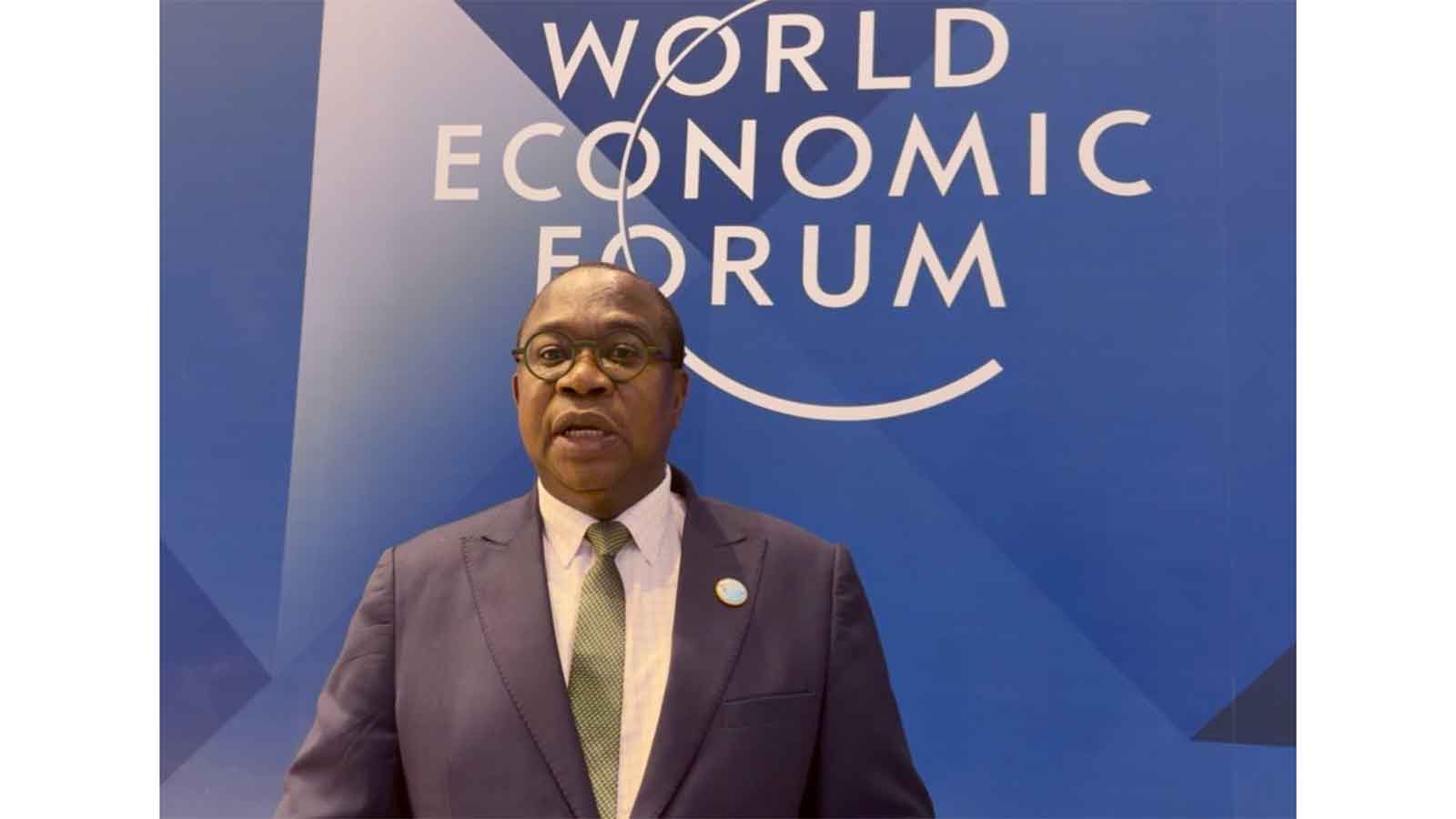
Speaking to journalists from China, where he attended the World Economic Forum’s 17th Annual Meeting of the New Champions in Dalian, Finance, Economic Development and Investment Promotion Minister Professor Mthuli Ncube said the Government would adopt a strategy similar to that implemented during the severe 2024 drought.
“As you know, if you go back to our template of what happened in 2024, which also was a serious drought year — in fact, the worst drought we had had in 40 years — we said that the first order of business is to allow Zimbabwean entities and individuals who have their own foreign currency to be able to import food,” he said.
“So, in other words, open up the borders. We will certainly be doing that, for sure. Then anyone with access to foreign currency will be able to import food.”
The Government, he said, would simultaneously scale up support for climate-smart agriculture to minimise the impact of reduced rainfall on crop production.
“We already have our climate-proofed agriculture model, Pfumvudza/Intwasa,” he said.
“We will again support that in our Budget because this is one way to make sure that those in the rural areas who practise Pfumvudza/Intwasa are able to realise some yield even under drier conditions, as long as they can water their fields. Of course, it’s small enough for you to water — at least that’s the science behind it.
“So, these are just some of the measures: opening up borders and supporting climate-proofing of agriculture.”
Irrigation
In the medium to long term, Prof Ncube said the Government would continue investing in irrigation infrastructure to reduce dependence on rainfall and strengthen long-term food security.
“What we have always done in terms of long-term planning is to invest more in irrigation.
“So, we are channelling resources, as I speak, towards irrigation.
“We have several dams that we will build over the years, and this will go a long way in making sure that our summer cropping is also climate-proofed, just like our winter cropping. For winter, we are doing okay because wheat is grown in winter anyway, and we are already self-sufficient. The irrigation facilities are enough to support wheat production. So, we have a plan. At some point we will announce it in full through the ministry responsible for agriculture so that it is well understood,” he said.
Zimbabwe has increasingly adopted climate adaptation measures as extreme weather events become more frequent and severe.
The country suffered one of its worst droughts in decades during the 2023/2024 agricultural season after the El Niño weather phenomenon triggered prolonged dry spells and poor rainfall distribution across much of Southern Africa.
The drought significantly reduced maize and traditional grain production, prompting the Government to declare a State of Disaster and implement a range of interventions, including strategic grain imports, food assistance programmes and the temporary liberalisation of food imports by private individuals and companies with access to foreign currency.
Meteorological forecasts indicate an increased likelihood of another El Niño event affecting the forthcoming summer cropping season, raising concerns over agricultural output, food security and inflation.