Online Reporter
Isaac Waniwa, Operations Editor
ZIMBABWE has over the years implemented a number of HIV preventive programmes especially among the youths hence it has made significant progress in fighting HIV/Aids. The National Aids Council (NAC), which has been mandated to co-ordinate all HIV/Aids programmes in the country, is working with a number of organisations that are involved the implementation of HIV/Aids programmes.
What is, however, of concern is that the elderly seem to have been forgotten despite the fact that they are equally vulnerable to contracting HIV.
What is even more worrying is that this group is not just vulnerable but has compromised immunity due to old age. Most HIV awareness campaigns including condom distribution and Pre- Exposure Prophylaxis (PrEP) initiatives are aimed at youths and key populations such as sex workers. This is so because of the misconception that HIV is a young people’s disease.
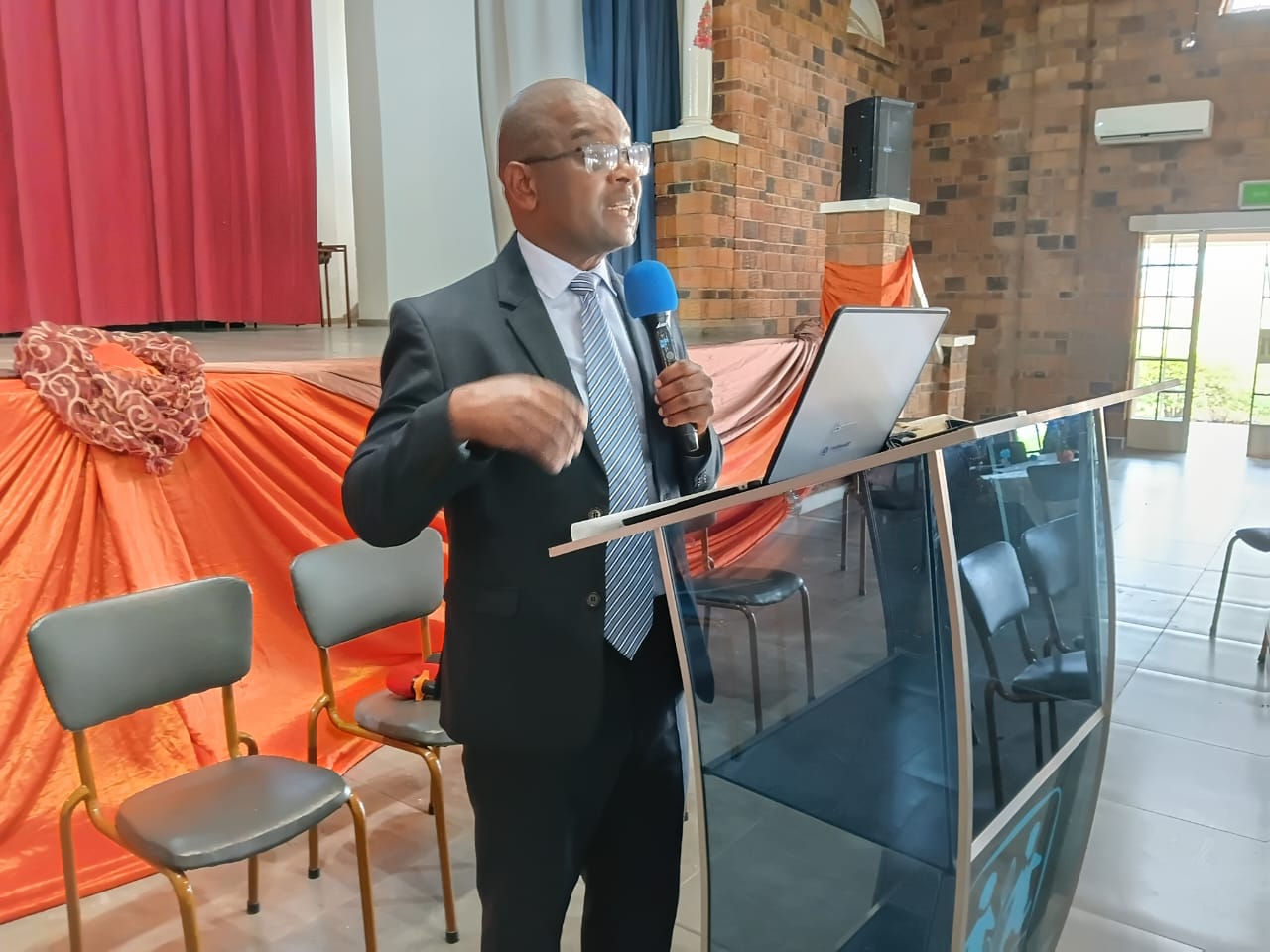
NAC has admitted that there are very few programmes targeting the elderly as they are often overlooked in national and community level prevention efforts. In her presentation on the topic “Aging with HIV’ during the Bulawayo NAC quarterly media review meeting recently, Mpilo Central Hospital Centre of Excellence medical director Dr Nkazimulo Tshuma said what is disturbing is that most elderly underestimate their own vulnerability and as such don’t see themselves needing prevention.
She said what has worsened the situation is that society is in denial that the elderly can contract HIV hence the stigma which is preventing the elderly from seeking information, going for HIV testing or using prevention tools like PrEP.
Dr Tshuma said she witnessed a nasty confrontation between an 86- year old woman and her son when the old woman’s tests results confirmed she was HIV-positive. She said the son demanded to know where the old woman contracted the virus given that it was more than 20 years after the death of his father.
Dr Tshuma said it is such denial that has seen the elderly that test HIV positive keeping the information to themselves or failing to seek treatment early. She said cultural and social dynamics have also compounded problems for the elderly. Practices such as remarriages, widow inheritance and intergenerational sex expose the elderly to risks of contracting HIV.
Failure to openly discuss sexuality in old age has also not helped the situation for the elderly. Due to compromised immunity and stigma which has prevented many elderly people from testing for HIV early, many are diagnosed with advanced HIV. Dr Tshuma, however, said being diagnosed early and aging with HIV has its own complexities, which include higher rates of multimorbidity also known as multiple long term conditions and polypharmacy which is concurrent use of multiple medicines by a patient often associated with old age. What forces the elderly to use multi-medicines is that many of them are living with two or more chronic illnesses, multimorbidity.
This group of people tend to have geriatric syndromes including frailty and falls. Dr Tshuma said the elderly living with HIV and initiated to Anti Retroviral Therapy (ART) early also experience accelerated aging driven by chronic inflammation and long term exposure to ART. She said chronic inflammation puts the elderly living with HIV at increased risk of additional chronic diseases such as hypertension, diabetes and chronic kidney disease.
What is, however, positive is that the elderly who are on ART are living longer. According to global statistics, 50 percent of people living with HIV in the US are over 50 years and the figure is projected to reach 70 percent by 2030.
Dr Tshuma said in 2017 it was estimated that four million people aged 50 years and above were living with HIV in Sub-Saharan Africa. Bulawayo NAC province though like the rest of the country, is guilty of overlooking the elderly in most of its programmes, has many positives to celebrate.
According to the province’s monitoring and evaluation officer Mrs Primrose Sethule Dube, the province recorded 76 608 people living with HIV in 2024, down from 79 711 in 2020. There was also a 44 percent reduction in new HIV infections across all age groups.
The province’s ART coverage in 2024 achieved 98,3 percent, up from 87,5 percent in 2020.