daniel chigunwe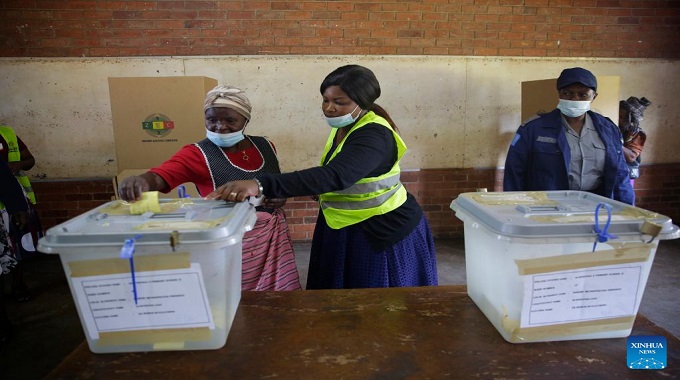
Enacy Mapakame
Election uncertainties in the region are expected to weigh on foreign direct investment (FDI) in key sectors of economies like real estate as 17 countries are headed for presidential elections this year.
Next year, 13 other African countries will hold their presidential elections.
According to the National Development Planning Commission of Ghana, real estate markets in Sub-Saharan Africa, with the exception of South Africa, share characteristics of emerging markets in terms of limited transaction data, low quality of data, transparency issues, valuation standards and the inactive participation of international market intermediaries.
However, over the past 10 years, there has been increased investment into the real estate sector in Sub-Saharan Africa mainly from local investors. According to Estate Intel, between 2016 and 2022, over US$4 billion was invested in the real estate industry in Africa.
But with election on the way, the region may have a different story to tell in the next two years or beyond.
Algeria, Egypt, Ethiopia, Nigeria, Malawi, Mozambique, Namibia, South Africa and Zimbabwe are holding head of state elections this year while countries like Botswana, DRC, Madagascar, South Sudan, Gabon, Libya, Chad, Mali, Liberia, Mauritania and Sierra Leon will hold their polls next year.
The outcomes of these elections will have a strong bearing on the real estate sector, according to consultants Knight Frank. Any signs of political instability during or after election has a negative impact on investment prospects as potential investors hold back their funds to narrow risk.
“The outcome of any African election can often have significant implications for the real estate sector,” said Knight Frank in their Africa Horizons report, which analyses sector trends and opportunities.
“With 17 countries scheduled to hold the head of state (presidential or prime ministerial) or national legislature elections in 2023 and preparations ramping up for national elections in 13 other countries in 2024, a lot is at stake.
“Any political instability has a direct and almost immediate impact. A decline in foreign investments, falling values and lower transaction volumes often ensue, as has been the case in the Democratic Republic of Congo (DRC),” said the property consultants firm.
Conversely, according to Knight Frank, newly elected governments can also be positive for the property industry. New policies stimulating the real estate sector to attract foreign investors have become a hallmark of some of the continent’s new leaders.
Zambia is an example; the country’s recently elected administration has garnered significant attention from international investors with its economic policies, stable political infrastructure, and robust currency that has bolstered business confidence.
According to International Monetary Fund (IMF) data, the Zambian kwacha witnessed an impressive appreciation of 33 percent over the 12 months to June 2022.
Despite the election conundrum there are still vast opportunities for investment within the real estate sector. According to Knight Frank, with the rise in online retailing, catalysed largely by the Covod-19 pandemic and the subsequent boom in demand for storage, distribution and last-mile logistics facilities, requirements for data centres too have flourished across the continent.
“Data centres provide a cheaper and more efficient IT capability than inbuilt servers, which is aiding their popularity. They also offer cloud services and allow organisations to focus on their core functions,” said Knight Frank.
According to the consultants, investors have already recognised the growing demand for additional data centres in Africa.
Investment into the market is projected to have a Compound Annual Growth Rate (CAGR) of approximately 15 percent from 2020 to 2026.y
In 2020, the data centre market size in terms of investment was valued at US$2 billion, and it is anticipated to reach US$ 5 billion by 2026 according to Africa Data Centres.



 Online Reporter