Chronicle Editor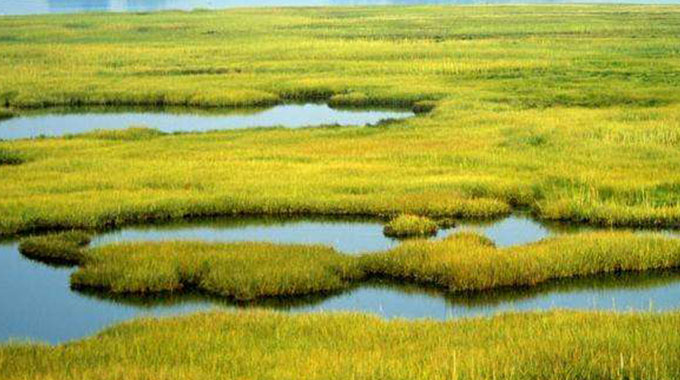
Mthabisi Tshuma, Gwanda Correspondent
THE Environmental Management Agency (EMA) has identified wetlands in Matabeleland South province which will be used to boost the ecotourism sector.
The wetlands include Mazvide and Mpompini in Insiza, Ntunjambila and Gulathi in Matobo.
Some of the wetlands have livelihood projects in place in form of community gardens, beekeeping and controlled thatch grass harvesting.
Wetlands are important features in the landscape as they provide numerous beneficial services for people and for fish and wildlife.
Some of these services, or functions, include protecting and improving water quality, providing fish and wildlife habitats, storing floodwaters and maintaining surface water flow during dry periods.
Wetlands are among the most productive ecosystems in the world, comparable to rain forests and coral reefs.
Speaking during a media briefing in Gwanda after a virtual commemoration of the World Wetlands Day on Tuesday, EMA Matabeleland South Provincial Manager Mr Descent Ndlovu said they were implementing strategies to conserve wetlands.
The commemorations were held under the theme “Water and Wetlands- Inseparable for Life”, a theme that seeks to impress on the importance of wetlands as a source of freshwater and to implore on their conservation and garner action towards restoring the degraded wetlands and stop any further wetland loss.
“In the province we are on a mission of conserving wetlands and this has seen Gulathi, Ntunjambila and Mpompini wetlands in Insiza that have been fenced and livelihoods projects incorporated.
“We however have a lot of threatened wetlands that are still on a moderate state that need urgent intervention such as the Mazvide wetland in Insiza which has been earmarked for ecotourism by the District Development Committee,” said Mr Ndlovu.
Mr Ndlovu said they have ongoing programmes that are meant to reduce threats to wetlands in Matabeleland South province.
“The most prevalent threat in our region is stream bank cultivation and cultivation on wetland sources, whilst deforestation is also a major contributor to wetland destruction.
“In some instances, mining activities have been observed on our rivers. To reduce these threats, we have ongoing education and awareness programmes that target the greater community,” said Mr Ndlovu.
He said they continue to fund and train communities on wetland management projects.−@mthabisi_mthire



 Online Reporter