Online Reporter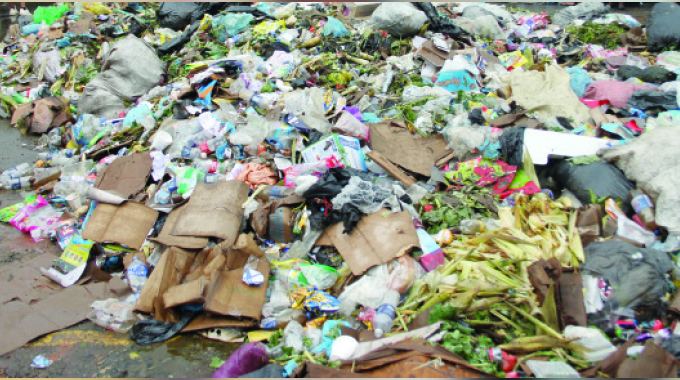
Trish Mukwazo, [email protected]
BULAWAYO’S largest suburb, Cowdray Park, has been ranked among the areas with the highest levels of illegal refuse dumping in the city, raising concerns over potential health hazards caused by land pollution.
The Environmental Management Agency (EMA) has engaged various stakeholders on the issue and is calling for the mainstreaming of environmental considerations in major decision-making processes.

This was highlighted during a stakeholders’ workshop on integrating environmental issues in Bulawayo, where provincial manager, Mrs Sithembisiwe Ndlovu, urged the strengthening of strategies and tools to combat illegal refuse dumping, as well as prioritising environmental concerns.
“We encourage all sectors to mainstream environmental issues. The objective is for all of us, across different sectors, to integrate this approach to protect the environment and foster sustainable development,” she said.
The agency’s environmental education and publicity officer, Ms Keyleen Dube, stated that a survey had identified Cowdray Park as the suburb with the highest number of illegal refuse dumping sites.
“What we found is that, among high-density areas, Cowdray Park had the highest incidence of illegal dumping.
“These illegal dumps emerge due to several factors, including waste collection challenges and residents’ attitudes towards solid waste management,” she said.
“You will find that people dispose of rubbish in the bush, which is not the correct approach to managing solid waste.
“Poor solid waste management poses a significant risk to the health of the city and its residents, increasing the likelihood of disease outbreaks such as cholera, as has been observed in some parts of the country,” said Ms Dube.
The survey also revealed that some residents engage in backyard incineration of waste, which contributes to air pollution.
“When we burn solid waste, we degrade air quality in Bulawayo,” she said.
An official from the Office of the President and Cabinet, Mr Cholasah Mbewe, highlighted the importance of environmental sustainability.
“Some of the biggest challenges we face include water shortages, air pollution, poor waste management and land degradation, among others,” he said.
These issues negatively affect agricultural productivity, infrastructure, public health and tourism.
“They also worsen the impact of natural disasters such as floods, droughts and other climate-related events. Environmental degradation can reduce the province’s attractiveness as a tourist destination, despite tourism often being a significant sector,” said Mr Mbewe.
Environmental sustainability is a key pillar of the National Development Strategy 1 (NDS1) and Vision 2030, as it has far-reaching implications for Zimbabwe’s economic growth and social progress. These frameworks emphasise the importance of environmental sustainability in achieving long-term national development goals.
Mr Mbewe stressed that collaboration among government departments is essential in tackling environmental issues, as it fosters cross-departmental co-operation, encourages joint efforts, and empowers the residents of Bulawayo to take ownership of local environmental concerns and contribute to solutions.
An official from the Ministry of Lands, Agriculture, Fisheries, Water and Rural Development, Mr Mkhunjulelwa Ndlovu, stated that mainstreaming environmental issues in various sectors involves incorporating environmentally sustainable projects into industries such as agriculture, mining and infrastructure development.

He urged proper resource management and value addition within these sectors to ensure long-term sustainability while minimising adverse environmental impacts.
The workshop covered a range of topics, including solid waste management, air pollution, industrial concerns, deforestation, illegal mining and wastewater and effluent discharge.