Chronicle Editor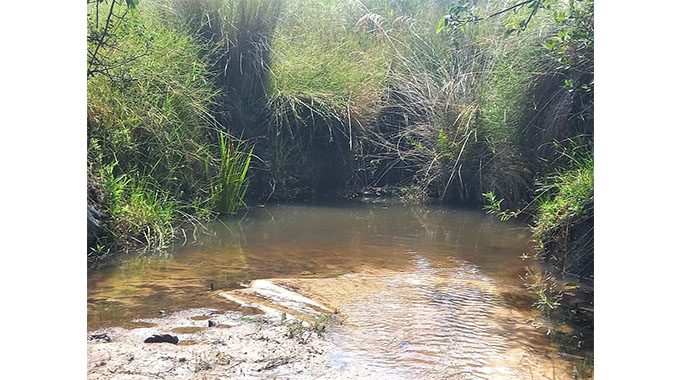
Yoliswa Dube-Moyo, Matabeleland South Bureau Chief
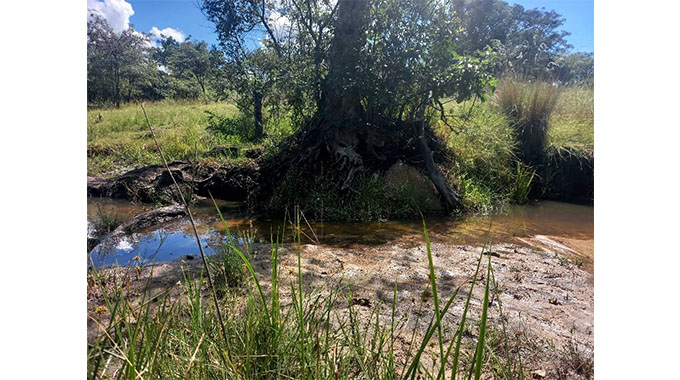
THE Environmental Management Agency (EMA), has stepped up efforts to protect Malilangombe Wetland in Matobo District as it is critical in the provision of water in Matabeleland South.
Consultations with various stakeholders including traditional leaders, who are the custodians of the land, have begun as the wetland is also believed to be sacred.
Plans are also afoot to have the wetland recognised as one of the protected sites under the Ramsar Convention.
The Ramsar Convention is an international treaty on wetlands signed in February 1971 in Ramsar, Iran, to raise public awareness on conservation, proper utilisation and management of wetlands and their resources.
Every three years, representatives of the contracting parties meet as the Conference of the Contracting Parties (COP), the policy-making organ of the convention which adopts resolutions and recommendations to administer the work of the convention and improve the way in which the parties are able to implement its objectives.
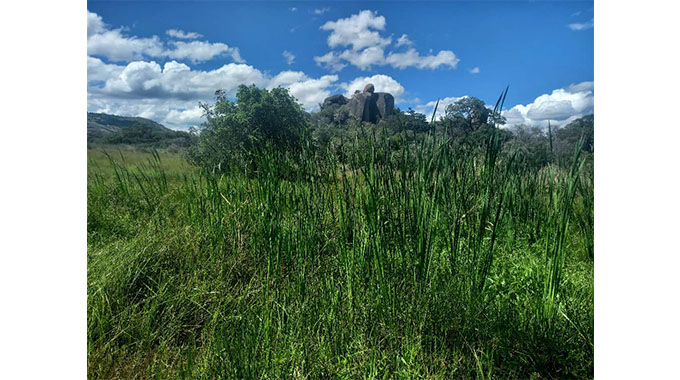
If approved, Malilangombe Wetland would join seven other protected wetland sites which are Monavale Vlei, Cleveland Dam, Chinhoyi Caves, Mana Pools, Victoria Falls, Driefontein Grasslands and Lake Chivero.
EMA Matabeleland South provincial manager Mr Decent Ndlovu said it was important to conserve the wetland due to its downstream qualities.
“We’ve engaged all stakeholders related to the wetland so that they agree to what we propose.
When you say you want to protect an area so that cattle don’t get in and trample, create some reservoir and reboot the wetland naturally through its regeneration and fencing, some people might not understand because it’s a cultural site for them which is managed by traditional leaders using indigenous knowledge systems,” said Mr Ndlovu.
He said aside from Malilangombe, a number of other wetlands would be protected including the one in Mazwithe and Mpompini.
“We’ve engaged the communities and have started erecting fences after wide consultations with the relevant stakeholders.
Traditional leaders need to be consulted before anything is done.
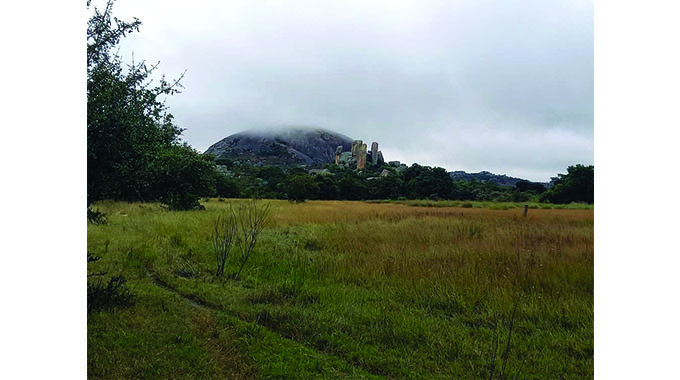
People don’t know that there’s a lot that lies within these mountains.
When you look at Malilangombe, the wetland supplies water to the southern part of the Matabeleland region because that’s where the watershed is.
Umzingwane, Thuli, Maleme, Bubi and Mtshabezi rivers all start from there,” said Mr Ndlovu.
He said water from Malilangombe also gets to Mapane and Simbumbumbu villages in Gwanda District.
“Malilangombe also recharges the water downstream up to Limpopo.
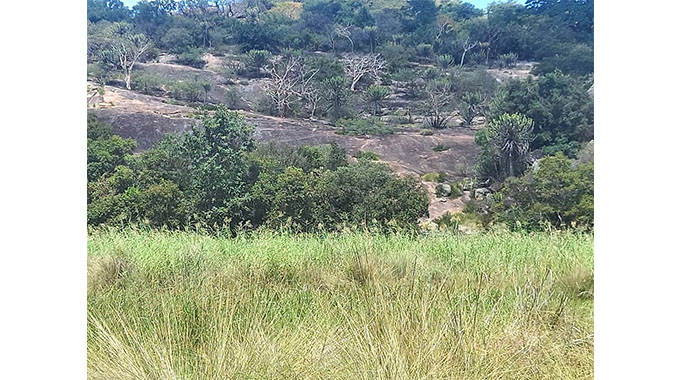
During the rainy season, the wetland will be absorbing the water like a sponge and then starts releasing the water during the dry season.
It’s quite amazing,” said Mr Ndlovu.
Malilangombe Wetland falls partly under Chief Mathema and Chief Masuku of Matobo.
Chief Mathema said it was important to conserve the wetland so that communities continue to benefit from it.
“During the dry season you find water flowing downstream stretching 30 metres or more.
Everyone benefits from that water as they can get water for domestic use and for their cattle.
However, there are people who have settled there yet Malilangombe is sacred.
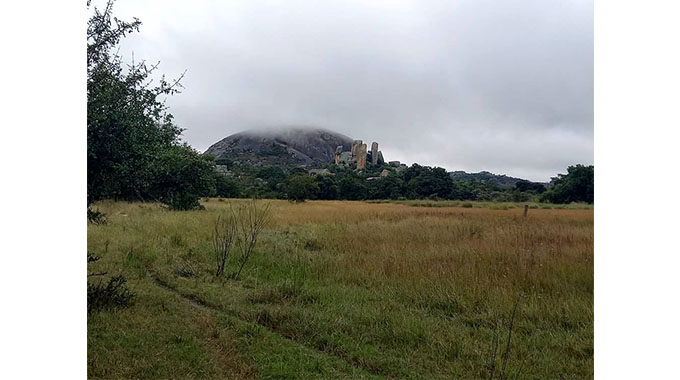
If there’s going to be lots of rainfall during a particular year, you can tell from that area as there will be lots of water flowing,” said Chief Mathema.
He called on Government to relocate the people who have illegally settled in the wetland.
“If it were up to me, I would have those people relocated.
There are just a few homes there.
We want to conserve nature and unlock potential for the area to be a tourist attraction.
There’s a lot that people can learn from the area such as how the area came to be what it is.
The area needs to be properly managed.
Some people have unfortunately established gardens next to the wetland thereby denying people downstream livelihoods,” said Chief Mathema.
– @Yolisswa



 Online Reporter