Online Reporter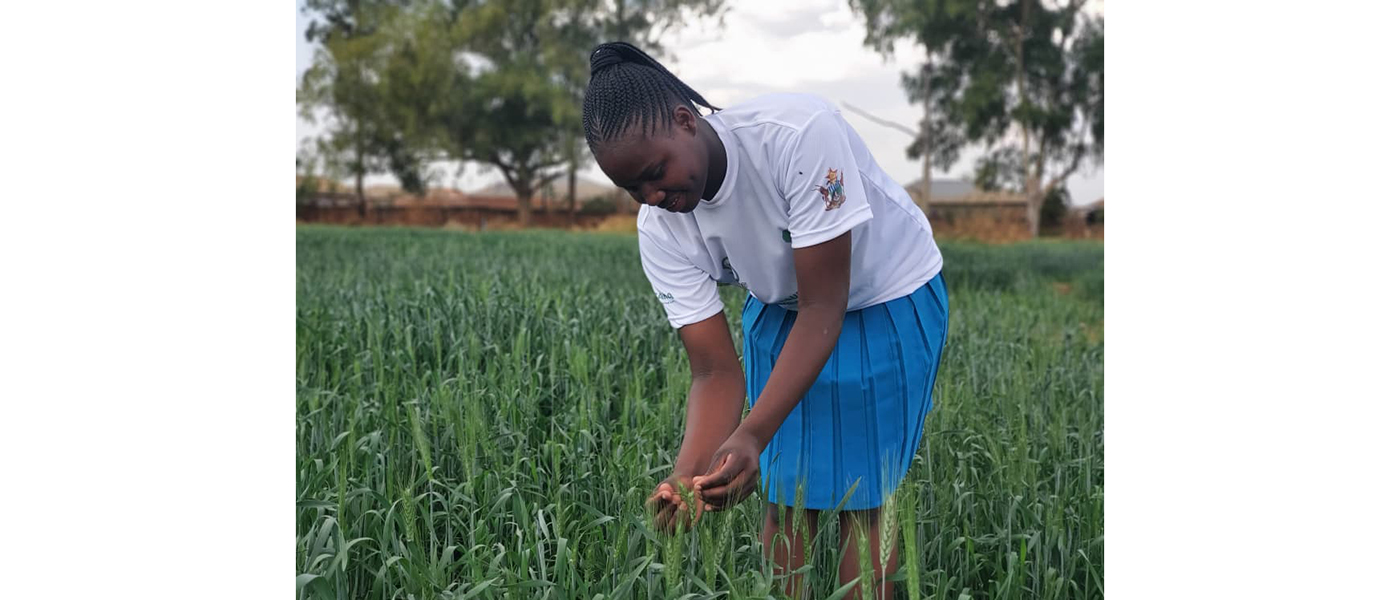
Theseus Shambare in BINDURA
SCHOOLS are a key player in ensuring the production of wheat and its value addition is scaled up to benefit communities and strengthen Zimbabwe’s food security.
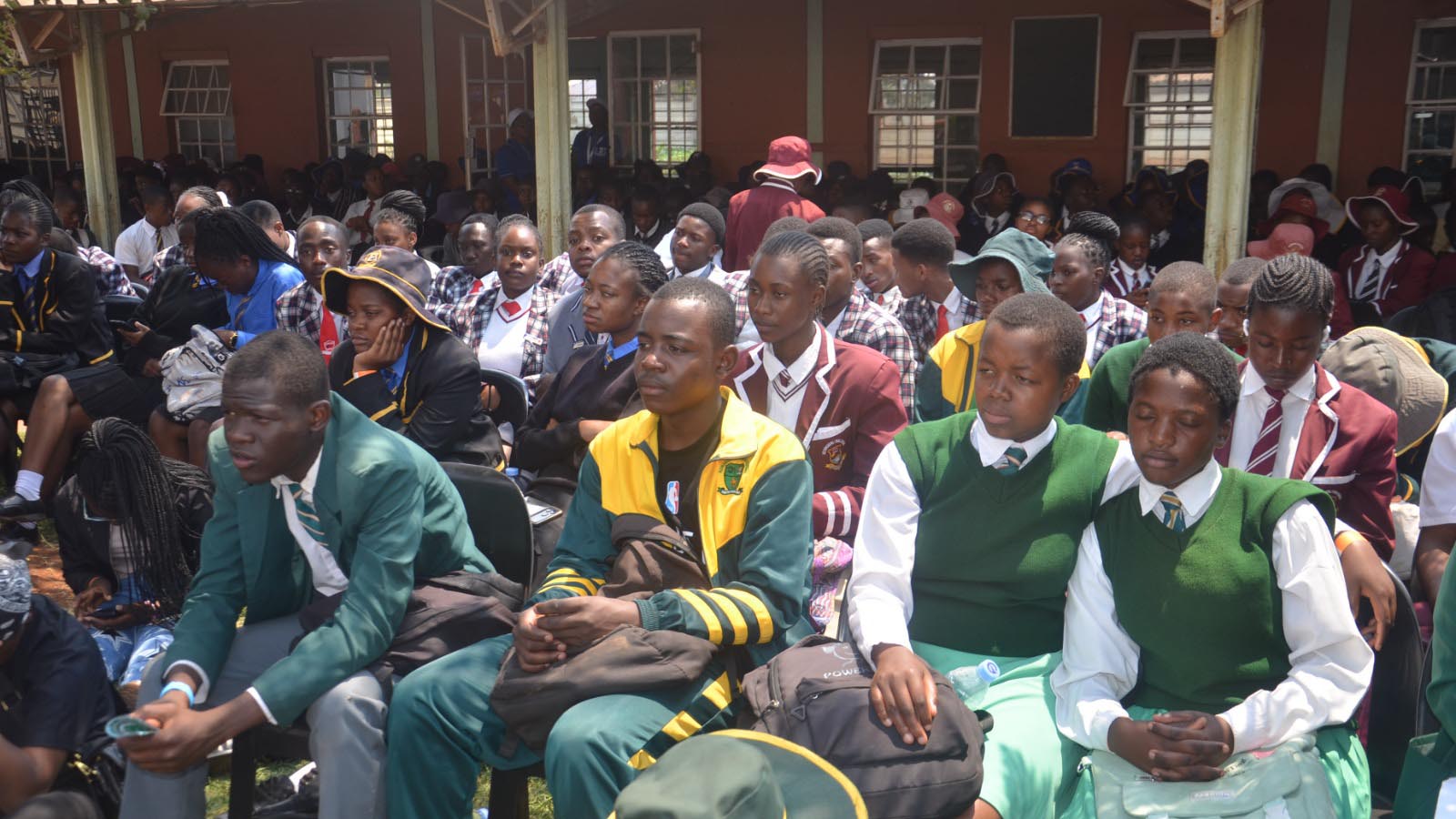
Stakeholders expressed these sentiments at a three-day wheat value addition training workshop currently underway in Bindura.
Running under the theme “Wheat Value Addition: Enhancing Quality, Increasing Profitability,” the training aims to equip farmers, teachers and students with practical skills in processing wheat into diverse products such as snack bars, breakfast cereals, biscuits, pasta, beverages and baking innovations.
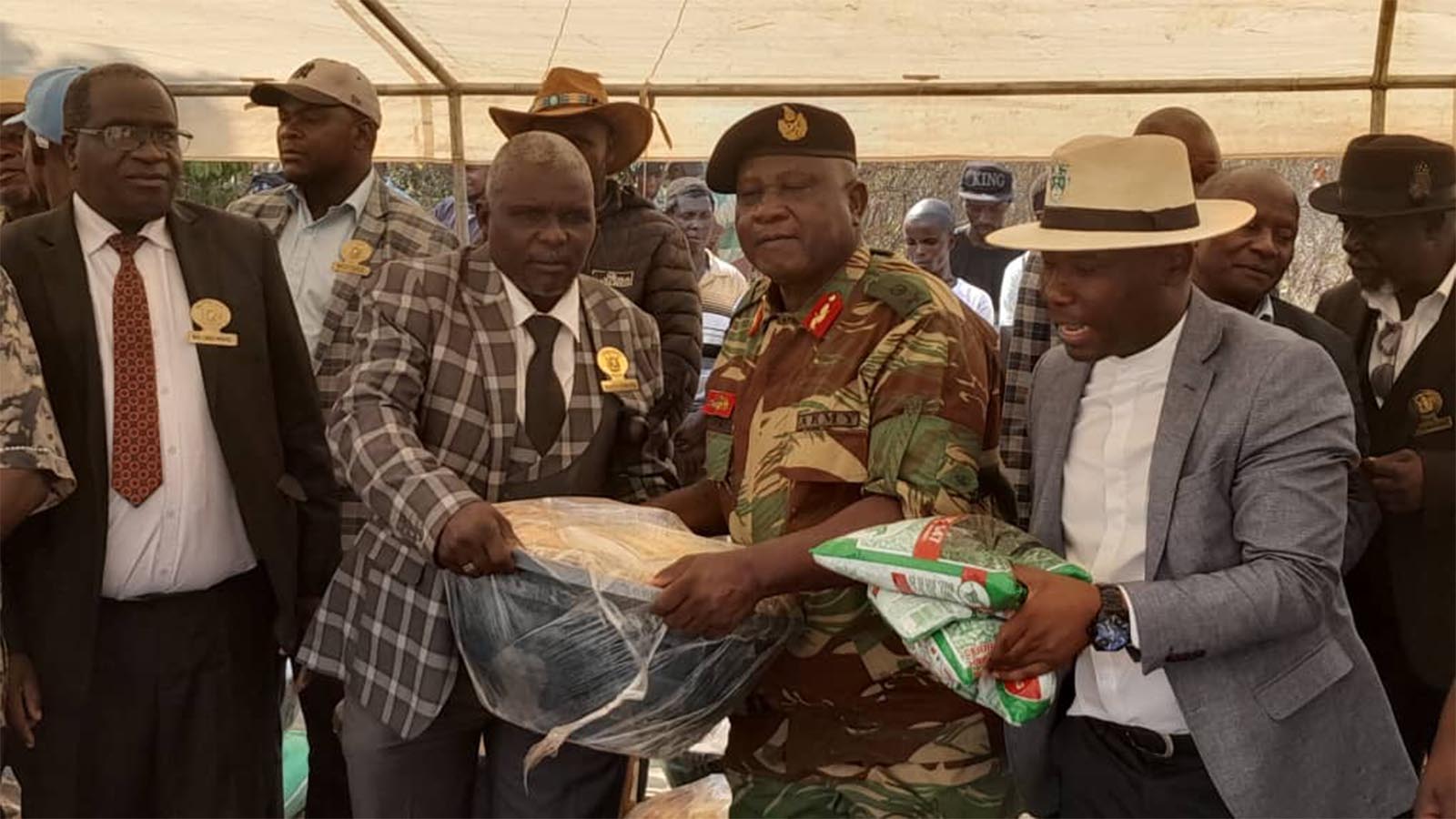
Organised by the Directorate of Research, Education and Specialist Services (DRESS) under the Ministry of Lands, Agriculture, Fisheries, Water and Rural Development, in collaboration with SOS Hermann Gmeiner High School, the training brings together agricultural experts, teachers, learners and processors.
The programme is funded by the African Development Bank (AfDB) through the Technologies for African Agricultural Transformation (TAAT)-Wheat Project, under its Feed Africa Strategy.
Mashonaland Central Provincial Education director, Dr Temba Mangwiro, said the involvement of schools marked a turning point in aligning education with economic transformation.
“This workshop embodies the ‘Catch Them Young’ philosophy,” he said.
“By equipping our learners and teachers with practical skills in wheat value addition, we are investing in the next generation of agricultural leaders, entrepreneurs and change-makers.”
“What begins here in Bindura will help secure Zimbabwe’s food security, empower our youth and women and strengthen our communities for years to come.”
Head of the Crop Breeding Institute, Ms Purity Mazibuko, said Zimbabwe had already achieved wheat self-sufficiency but needed to focus on what happens beyond the farm gate.
“For too long, we have focused solely on production, often exporting raw wheat grain, missing out on the economic potential that lies further down the value chain,” she said.
“This training is showing learners and farmers that wheat can be transformed into noodles, beverages, cereals and even health snacks—products that generate more profit and create jobs.”
Wheat breeder Mr Masawi Jairos Mufaro from DRESS said the TAAT project was deliberately targeting schools, women and youths to strengthen wheat value chains.
“Zimbabwe requires at least 14 000 tonnes of wheat seed annually, and we need to have an impact,” he said.
“By targeting youths, we want to create employment so that they are occupied and do not resort to drug and substance abuse.”
Cluster Agricultural Development Services (CADS) director, Ms Perpetual Masarira, said continuity depended on young people.
“You can compare wheat with a chameleon that changes colours and can be blended with any product you want—baking, beverages, snack bars,” she said.
“We are focusing on diversifying its uses so that it benefits more people in terms of nutrition and income generation.”
Students welcomed the training, with Lower Six economics learner Tinashe Gauro saying: “I hope to blend economics into agriculture such that farmers realise their maximum benefits of producing.”
Upper Six crop science student Lisandra Mbofana added: “The programme has been beneficial in putting theory into practice.”
SOS Group National Education Coordinator, Mr Peter Ngundu, said: “The programme is in sync with Education 5.0 and the Heritage-Based Curriculum.”
The Bindura training will conclude tomorrow, with organisers confident that schools will remain central to expanding wheat value addition across Zimbabwe.