Online Reporter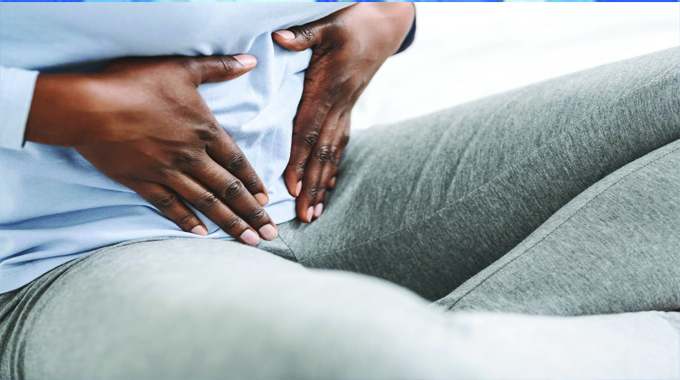
Elizabeth Sitotombe, Correspondent
IN many African societies, menstruation remains a taboo subject, cloaked in silence and shame. This cultural silence extends to conditions such as isilumo/jeko (endometriosis), where symptoms like severe menstrual pain, heavy bleeding, and infertility are often dismissed as “normal” or attributed to spiritual causes. Women suffering from endometriosis are frequently told to “endure the pain” or “pray for healing”, leaving them without proper medical care.
The condition remains widely misunderstood and under-diagnosed across Africa, posing significant challenges to effective intervention.
According to the Zimbabwe Society of Obstetricians and Gynaecologists (ZiSOG), endometriosis is a condition in which endometrial tissue — normally found lining the uterus — grows outside the uterus, often in the pelvic region. This can cause pain, inflammation, and may affect fertility.
Unfortunately, there is limited local data on the condition, according to the association. Globally, endometriosis affects 10 percent of women and girls of reproductive age — equivalent to one in ten —according to the World Health Organization (WHO).
An estimated 176 million girls and women of reproductive age worldwide live with endometriosis. On average, it takes seven to ten years for a woman to receive a diagnosis, even in high-income countries. In low-income settings, the delay is often longer due to limited healthcare access and lack of awareness. Many women may never even know they have the condition. Up to 50 percent of women with endometriosis experience infertility, making it one of the leading causes of female infertility globally. Yet, it remains a condition many simply try to endure.
Dr Chenesai Chiriseri, a general practitioner, explained: “In many communities, women are taught from a young age not to talk about their periods. When they experience pain, they are told it’s part of being a woman.
“This cultural mindset makes it difficult for women to seek help, and even when they do, healthcare providers may not take their symptoms seriously.”
Shuvai, a 33-year-old endometriosis patient from Masvingo, shared: “In my village, people believed my pain was a curse. I consulted traditional healers, mapostori, and spent years taking herbal remedies before I finally saw a doctor when I moved to the UK. By then, the disease had already affected my ability to have children.”
Growing up, 28-year-old Makanaka was also told that period pain was normal.
“It wasn’t until I collapsed at work and was rushed to hospital that I learned about endometriosis. We need to break the silence and start talking openly about these issues.”
For women like Makanaka and Shuvai, the journey is deeply personal.
“I don’t want other women to go through what I went through. By speaking out and sharing our stories, we can create a future where no woman has to suffer in silence,” said Makanaka.
With endometriosis, endometrial glands or tissues are deposited outside the uterus. These can be found anywhere in the abdomen—on the ovaries, around the fallopian tubes, or even near the intestines.
According to specialist obstetrician and gynaecologist Dr Tawanda Matsa: “Each time a woman menstruates, those areas also produce blood, causing severe pain. The condition can be mild, moderate, or severe. In its severe form, the pain is continuous.
“One can also develop cysts — commonly known as chocolate cysts — in the ovaries. Another presentation of endometriosis is sub-fertility, with 30 to 50 percent of women affected. Most struggle to conceive because the endometrial tissue around the ovaries disrupts ovulation and blocks the fallopian tubes. We encounter this condition frequently.”
Among women with sub-fertility, the prevalence of endometriosis is over 50 percent.
“Many women come to us after years of pain, having been told their symptoms are just ‘normal period pains’. This delay in diagnosis can lead to severe complications, including infertility and mental health challenges.
“Diagnosis is typically made by harvesting endometrial tissue or through a diagnostic laparoscopy — a minor operation that allows surgeons to examine the uterus, ovaries, tubes, intestines, and pelvic area. They may find chocolate cysts or brownish deposits. While there is no cure, treatments can help manage pain and improve fertility,” he said
Initial treatments often include hormone injections that temporarily suppress oestrogen production — the hormone responsible for the growth of endometrial tissue and associated pain. Another treatment involves burning the endometrial tissue during laparoscopy or keyhole surgery.
This procedure allows both diagnosis and treatment to be carried out simultaneously. The exact cause of endometriosis remains unknown, though genetics is one possible factor.
Women in low-income households often prioritise their families’ needs over their own health, delaying or foregoing medical care.
Hellen (40) suspects her daughter may have endometriosis: “She hasn’t been diagnosed yet, but I suspect my 14-year-old daughter may have this condition based on an article I read. She doesn’t go to school during her menses. She feels nauseous, sometimes vomits, and is in so much pain—sweating profusely at times.
“Each time we visit the local clinic, we’re given paracetamol, which doesn’t help much. We’ve now been referred to a larger hospital, but I know it will require tests and more. We simply can’t afford that right now. We have many mouths to feed on a very low income.”
In Zimbabwe, the fight against endometriosis is gaining momentum as local advocacy groups, healthcare professionals, and affected women work tirelessly to raise awareness, improve diagnosis, and provide support to those living with the condition. Despite the challenges posed by limited resources and cultural stigma, the movement is making significant strides in breaking the silence surrounding this often misunderstood disease. One such group leading the charge is the Endometriosis Association of Zimbabwe (EAZ), which supports women affected by the condition.
According to the chairperson, Ms Vimbai Mudanwa, the association aims to raise awareness of the disease, provide access to affordable treatments, and offer psychological support to those affected.
“Endometriosis is often referred to as a ‘silent disease’ because its symptoms—such as severe pelvic pain, heavy menstrual bleeding, and infertility—are frequently dismissed or misdiagnosed. In Zimbabwe, where cultural taboos around menstruation and women’s health persist, many women suffer in silence.
“Our main goal is to reduce the suffering experienced by girls and women living with the condition. As there is currently no cure, and available treatments can be prohibitively expensive, endometriosis must be recognised not only as a medical issue but also as a social one.
“Many women feel isolated and misunderstood. Through our association, we aim to create a community where women can find solidarity and strength. We also advocate for policy changes that prioritise women’s health,” said Ms Mudanwa.
The association also provides a platform for women to share their stories, access reliable information, and campaign for improved healthcare services.
The Patriot