Chronicle Editor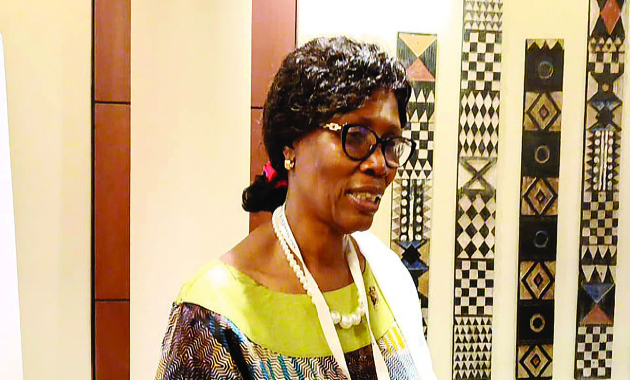
Leonard Ncube, [email protected]
THE International Renewable Energy Conference and Expo 2024 kicked off in Victoria Falls yesterday with the Government inviting more investors into the energy sector as it seeks to widen domestic output and ensure energy security to meet the growing national economic requirements.
By building new capacity and partnering with private sector players, especially in renewable energy, Zimbabwe is determined to achieve robust economic growth in line with Vision 2030 targets. Matabeleland North is the country’s energy hub.
In her remarks at the conference, the Energy and Power Development Ministry’s permanent secretary, Dr Gloria Magombo, commended the power utility, Zesa, for ushering reliable supply and stability in the past few months despite subdued power generation at the main power plants at Kariba and Hwange.
She said Zimbabwe’s electricity demand at the moment is 1 700MW against limited generation. Hwange Power Station has 1 500MW of installed capacity and Kariba Hydropower has 1 050MW but produces less than 200MW due to low water levels.
“As the Ministry of Energy, our mandate is to ensure energy security and as part of that mandate, we have a certain energy mix where we have coal-fired thermals, hydro and we are also bringing in other renewables like solar and biogas,” said Dr Magombo.
“If you go to NDS1, the Government mandate is to ensure energy security through building new capacity into the sector to ensure there is new capacity in line with growth. Secondly to make sure there is private sector participation.”
She said as the economy is growing, the Government expects new capacity to meet demand and is calling out for those who would want to come in and partner in energy production.
“Renewable energies by their nature are sustainable and we did the Renewable Energy Policy and Bio Energy Policy specifically to get investors into the sector. We want to send out the message that Zimbabwe is open for business. We have demand that is growing and we need investors to come in,” said Dr Magombo.
“We are looking at the economic support for the growth of the country and also increasing access to rural economies, especially looking at agriculture and that they move to renewable energy in irrigation. They are cheaper in the long run and we believe that’s the way to go.
“Because of the water supply challenges in Kariba, instead of 1 050MW, we are able to supply an average of about 200MW. When we add almost 1 000MW, which we are able to produce from Hwange we can ramp that during peak to about 600MW and the difference, which can be 300MW depending on how Hwange performs, are imports,” said Dr Magombo.
She said the country was also getting significant energy from independent power producers and commercial producers
There are over 35MW of mini producers in the Eastern Highlands and over 100MW from solar although those that are directly feeding the grid make up about 30MW.
New developments including private players and homes in urban and rural communities have solar and some have embraced net metering introduced by the Government through Zesa.
Schweppes and Tanganda are some of the entities that have entered net metering.
Dr Magombo said work is underway to refurbish Units 1 to 6 at Hwange with Unit 5 already taken off the grid for servicing.
“We also run old units in Hwange and that is why we have a programme in which we will be taking out the six units to give them a new life. We have already started Unit 5 and it’s work in progress,” she said.
“So, when we don’t have enough we import the difference, and if it doesn’t meet the difference we then do what is referred to as load curtailment or load shedding and this has reduced significantly as Zesa has been commended for the stability in the past few months and we are supporting them as Government to make sure they maintain the units online.”
The three-day conference, which ends with an official opening tomorrow comes at a time when the country and region as a whole are facing energy challenges compounded by the negative impact of climate change and financial investment challenges.
Delegates include Government officials, financiers, diplomatic missions, technology suppliers, independent power producers, academia, and partners like United Nations agencies.
The conference is being held under the theme: “Building a sustainable energy future” and will run until Friday.


 Online Reporter