


 Sundaymail Editor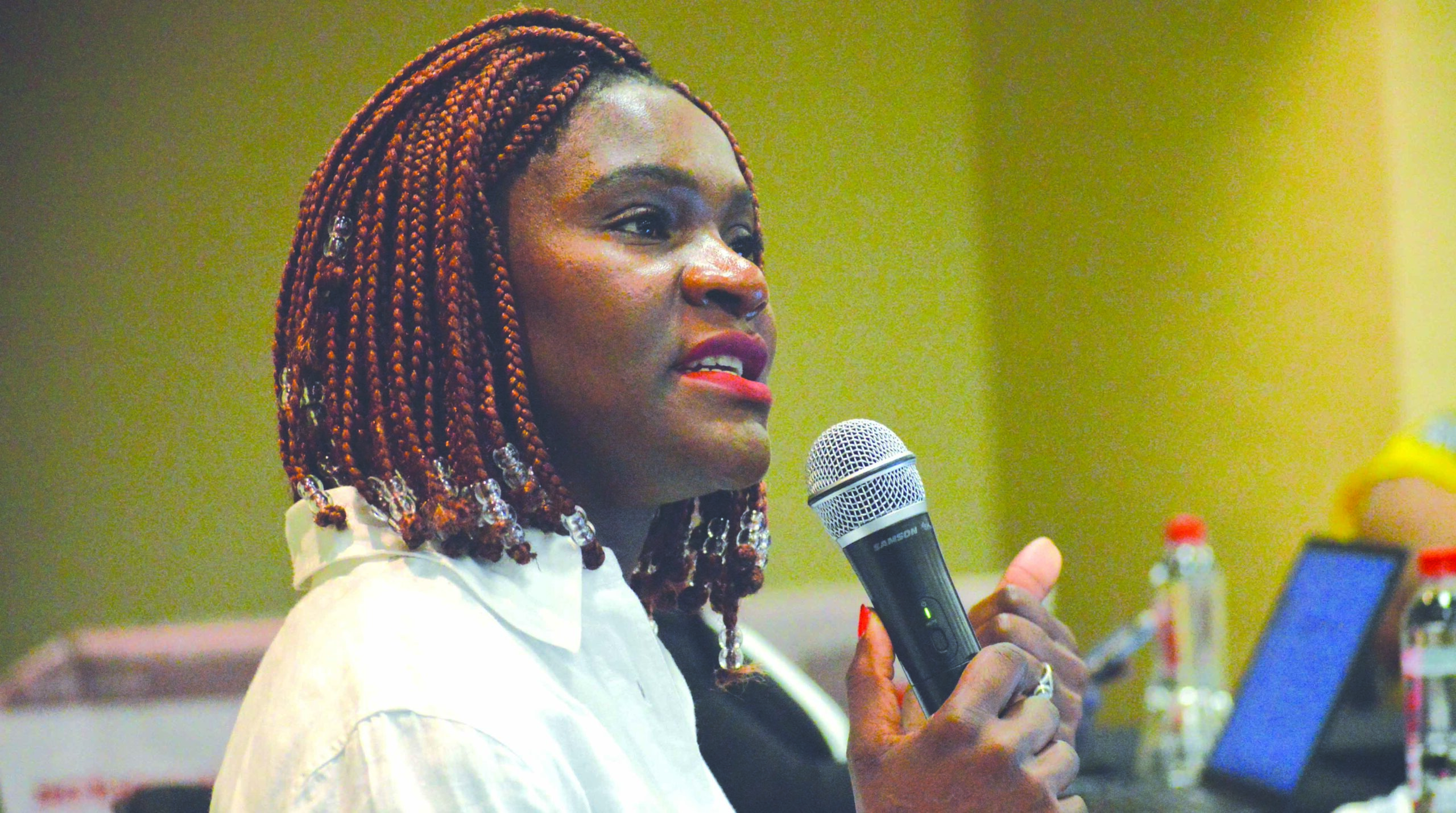
Moses Magadza
THE engagement of non-state actors (NSAs) in the SADC Regional Indicative Strategic Development Plan (RISDP) is not questionable as the mechanism for engagement was approved by the Council of Ministers in August.
This was said by Mr Wazha Omphile, coordinator of the Integrated Institutional Capacity Building (IICB) programme at the SADC Secretariat, at a landmark hybrid event held in Johannesburg from September 13 to September 15, where he outlined the role of the Regional NSA Engagement Mechanism in the SADC regional integration agenda.
The matter was also deliberated by fervent representatives of non-state actors.
Mr Omphile said the SADC Treaty gives the NSAs the mandate to participate in the regional integration agenda and contribute into SADC policy development, and assist in project implementation, monitoring and evaluation.
However, Mr Omphile pointed out that there are gaps in the current form of engagement.
“The engagement with NSAs is ad hoc, with no systematic mechanisms providing for NSAs’ engagement within the SADC structures and processes,” he said.
He said NSAs in the region do not have a common approach to working with SADC, and existing NSA formations and engagement platforms are not representative of every sector.
“NSAs also lack the resources to effectively participate in and contribute to the regional integration agenda and to engage with the SADC Secretariat, national and regional mechanism contact points.
“There is no dedicated focal point within the SADC Secretariat to coordinate NSA engagement,” he added.
While there were glaring gaps regarding NSAs’ engagement, Mr Omphile pointed out the SADC institutions were orderly.
“The SADC Summit comprising Heads of State is the supreme policy-making institution of SADC, and its decisions are based on consensus. It is presided over by the chairperson of SADC, deputised by the past chairperson and the incoming chairperson.
“The SADC Summit receives recommendations from the SADC Council of Ministers, which comprises ministers primarily responsible for foreign or external affairs.”
The SADC Secretariat is the principal executive institution of SADC responsible for strategic planning, facilitation, coordination and management of all SADC programmes.
It is headed by the executive secretary.
The regional body established SADC National Committees (SNCs) as key institutions, as defined by the SADC Treaty, in 2001, with a mandate to provide input at the national level in the formation of regional policies and strategies, as well as to coordinate and oversee the implementation of programmes at national level.
Mr Omphile said member states without national committees should institute them urgently in compliance with the treaty provisions.
“At the same time, existing national committees or national level structures should be better resourced and less bureaucratic, allowing for greater accessibility and engagement by local NSAs.
“The responsibility of functional SADC National Committees ultimately lies with individual member states and their citizens,” he said, adding that funding should come from the member states to ensure ownership and sustainability of the processes.
“Funding by donors should be complementary,” Mr Omphile said.
Southern Africa People Solidarity Network secretary-general, Ms Janet Zhou of Zimbabwe, said: “I think the mechanism is in place and our crisis has not been lack of putting the blueprints in place, but the implementation.
“About six SADC states are hotspots in terms of the shrinking democratic space for engagements at national level. So, at the national level non-state actors and particularly civil society organisations remain viewed as a nuisance, so to put it. I think we need to address that issue.”
She said there was need to look at the legal frameworks put in place at national and regional levels that prohibit serious or meaningful engagement of non-state actors, particularly coming from civil society.
Ms Lilian Alex of East Africa Civil Society Organisations Forum (EACSOF), whose secretariat is based in Tanzania, joined virtually.
EACSOF is an umbrella body for civil society in East Africa.
“We managed to form a number of policies and bills, but like most civil societies, we face shrinkage of space within partner states. As a regional body also, we see that as a challenge.
“Things like political interests within our partner states are quite a challenge as is the division of interests.
“Partner states also face political tension. It is also quite challenging for civil society to mobilise resources,” she said.
She said they are trying to restructure and penetrate most of the spaces across the community and within the partner states to ensure visibility, “which is very essential and of importance to us and the East African representatives within the partner states”.
Ms Hlobisile Nxumalo, chairperson of the SADC Council of Non-Governmental Organisations (SADCCNGO) located in Botswana, said arranging meetings between the SADC Secretariat and SADCCNGO is complicated, although both institutions are located in the same city.
“Members have ongoing challenges of varying degrees to engage with the state at the local level but they are not coordinated properly and in terms of citizen engagement, some non-state actors will be left out,” Ms Nxumalo said.
She added that some NSAs are non-functional.
Despite the challenges, Ms Nxumalo was happy to hear of positive initiatives coming from both the secretariat and the SADC Parliamentary Forum.
Ms Christabel Phiri of Southern Africa Trust moderated the discussions.
Mr Omphile explained the engagement of NSAs in managing the political or security situations in the various member states, saying SADC subscribes to the model of early warning systems for disasters, including political unrest.
“There are national early warning centres that collect national information on early warning, and they are the ones that are responsible for transmitting to the regional early warning centre. The challenges are actual execution and management of those mechanisms, but also it’s a sensitive issue when it comes to political unrest.”
He also clarified the issue of resources, which he said continue to be a challenge.
“But what is happening is that most NSA engagements are being funded through programmes. For example, the Integrated Institutional Capacity Building (IICB) programme has funded NSAs or CSOs that are trying to come up with a database of all the NSAs and CSOs operating in some targeted member states,” he explained.
“Currently, resourcing is within programmes, but I believe as we get to the implementation phase we should be able to see how we can resource the NSA forum and the engagement with the SADC PF,” Mr Omphile said.
He reiterated that funding of National Committees is the responsibility of member states who are free to get support from anywhere.
He said the issue of clustering is very critical so that there is specific focus on specific issues.
“As SADCCNGO explained, there is clustering at regional level but there can also be clustering at national level so that specific issues are thoroughly thrashed, and when they come to the consolidated group, there is clear guidance from the technical experts or area experts in those different clusters,” he said.
Dr Jay Kruuse, director of the Public Service Accountability Monitor, highlighted the need to post information timeously on the SADC Secretariat and SADC PF websites.
“The Model Law that was adopted by the SADC PF isn’t also on the website, so if you want NSAs to engage, the flow of information is really important. If they don’t have those channels or emails or contacts, then this presents a problem,” he said.


 Bongani Ndlovu
 Online Reporter