


 Sundaymail Editor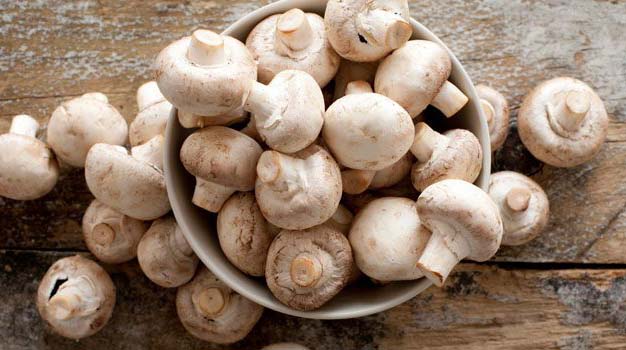
Word from the market Cliff Chiduku
Mushroom growing has become one of the fastest-growing home-based agro-business ventures in Zimbabwe.
For years, it has proven to be a wellspring of income for many, especially youths and women. It has become popular because it allows the recycling of materials such as sawdust, banana leaves, husks and dung, which could otherwise pollute the environment.
The demand for edible fungi is growing daily because some customers cannot afford to buy fish or meat because they are expensive. A mushroom is the fleshy, spore-bearing fruiting body of a fungus, typically produced above ground, on soil or on its food source.
A nutritionist with a local non-governmental organisation, Chipo Mtemba, concurred that mushrooms contain the same nutrients, including protein, which are usually found in other types of meat. She added that mushrooms provide a type of protein that usually lacks in some cereals and vegetables.
“Mushrooms are highly nutritious, have low fat and are medicinal foods that are crucial to human health. They act as antioxidants that may protect the body against cancer. They are immune boosters and lower high blood pressure,” Mtemba said.
“While it (mushroom) is rich in proteins, it is also a good source of vitamins, minerals and folic acid. It is also a source of iron for anaemic people.”
Zimbabwe boasts a variety of indigenous mushrooms that are harvested in forests and their production is confined to the rainfall season as it provides conducive conditions for the germination of spores. These include nhedzi, huvhe, zheve, pfirifiti, chihumbiro and dindindi.
While some people are sceptical of consuming wild mushrooms for fear of poisoning, mushroom farming has of late gained traction due to the ever-increasing demand for it. Cultivated varieties include oyster and button, which are sold as fresh or dried.
Ready market
Mushroom farmer Owen Karembera said he is making a fortune out of edible fungi production and training.
“Mushroom farming is very easy. One must undergo a one-week training, where one is equipped with the skills of growing mushroom.
“One of the advantages of mushroom farming is that it requires less labour. It does not require huge capital, yet the market for the delicacy is readily available,” he said, adding that he was being overwhelmed by demand, especially from supermarkets and hoteliers.
Karembera said on average, he harvests 20kg per week.
One can venture into a mushroom project in the backyard of a home in an urban setting. The growing structures can be made of plastic sheeting. In rural areas, readily available material such as maize stalks can be used. What is then required is mushroom spore, which is affordable.
Mushroom farming in Zimbabwe is not as organised as other agri-business ventures and this makes it difficult to track production and marketing of the crop. However, the Food and Agriculture Organisation of the United Nations (FAOSTAT) estimates that in 2018, Zimbabwe produced 770 tonnes of mushroom, 800 tonnes in 2019 and 830 tonnes in 2020.
The world mushroom market is projected to grow from 15,25 million tonnes in 2021 to 24,05 million tonnes in 2028, according to the Fortune Business Insights. Button is the most consumed type across the world. China, US, Italy, UK, Germany and India are the top producers of mushroom.
A survey by the Agricultural Marketing Authority revealed that a kilogramme of button mushroom costs between US$7 and US$10, while that of oyster costs between US$2,50 and US$5 in local supermarkets. To supplement its national requirement, Zimbabwe is importing mushroom from China and Poland.
Opportunities
That there is a ready market for “ground meat” and that currently our local production is not satisfying the local markets should provide enough motivation to venture into mushroom farming.
Zimbabwe has conducive climatic conditions for the production of mushroom, especially the oyster type. Mushroom production can be done irrespective of age and gender provided one has the necessary skills. It provides income all year round.
With the Government’s foot on the pedal to attain food sufficiency, mushroom farming remains a low hanging fruit.
National food sufficiency is key as spelt out in the National Development Strategy 1, which identifies food security and nutrition as drivers of economic revival.
Word from the Market is a column produced by the Agricultural Marketing Authority to promote market-driven production of agricultural products. Send feedback to: [email protected] or WhatsApp +263781706212.



 Bongani Ndlovu
 Online Reporter