Online Reporter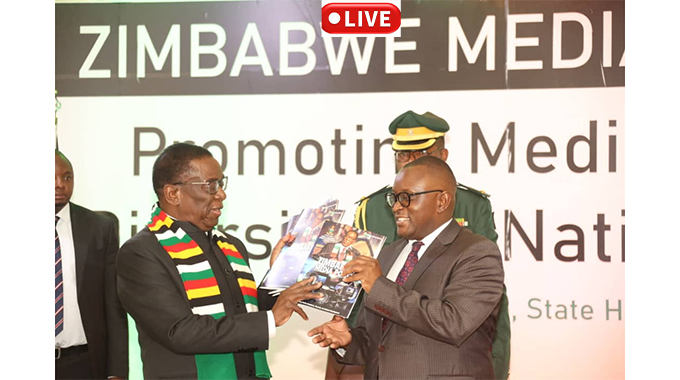
Today marks a significant milestone for Zimbabwe as President Emmerson Mnangagwa officially launches the Zimbabwe Media and Communications Policy in Harare today.
Approved by Cabinet in April, this innovative policy aims to transform the nation’s media landscape by promoting viability and sustainability.
Key objectives include enhancing the country’s image and sovereignty while fostering a robust digital economy and a diverse media industry.

With a focus on modern infrastructure and professionalism, the policy also aims to establish a comprehensive code of ethics to elevate local media standards.
Stay tuned as our Reporters Wallace Ruzvidzo and Blessings Chidhakwa bring you live updates from this important event!
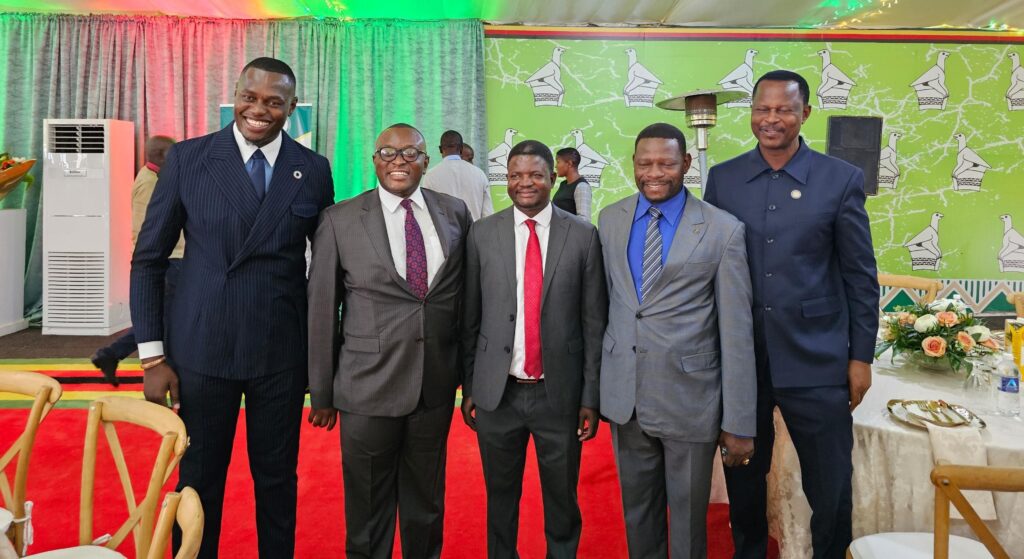
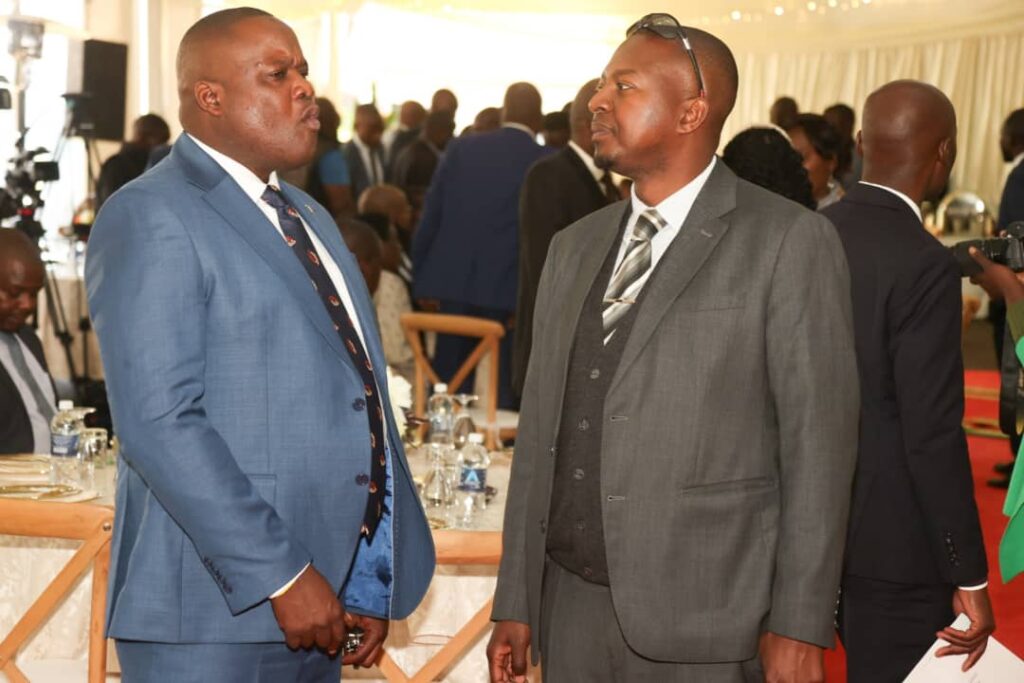
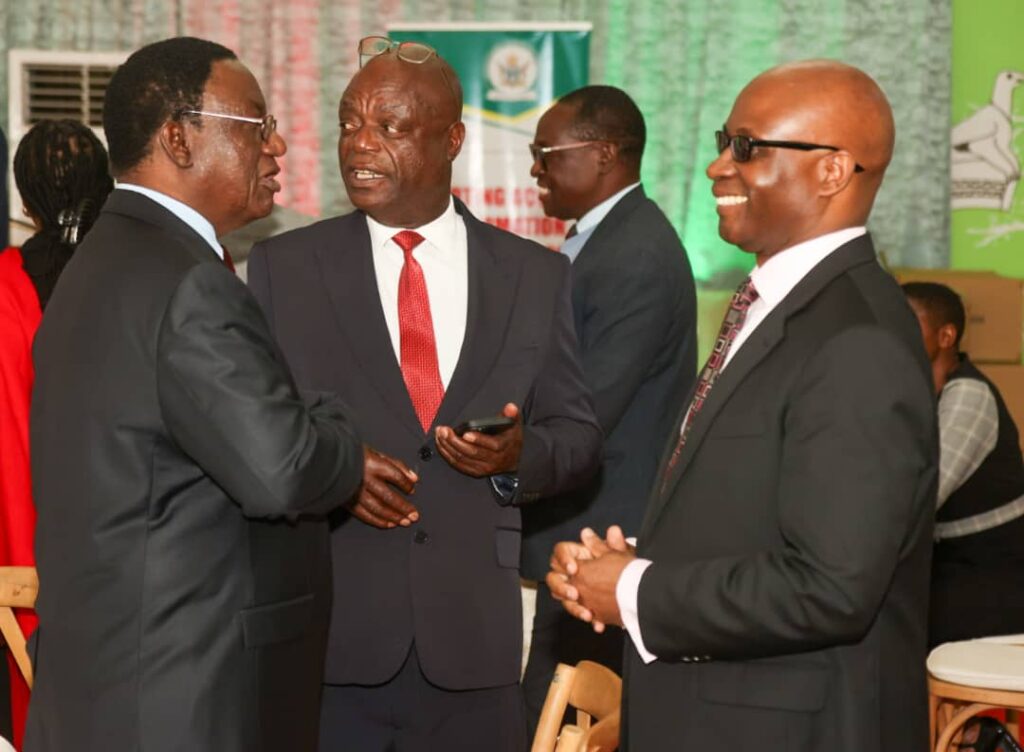
Delegates have started arriving for the launch of the Zimbabwe Media Policy by President Mnangagwa.
The policy is set to revolutionise the country’s media landscape. @RuzvidzoWallace
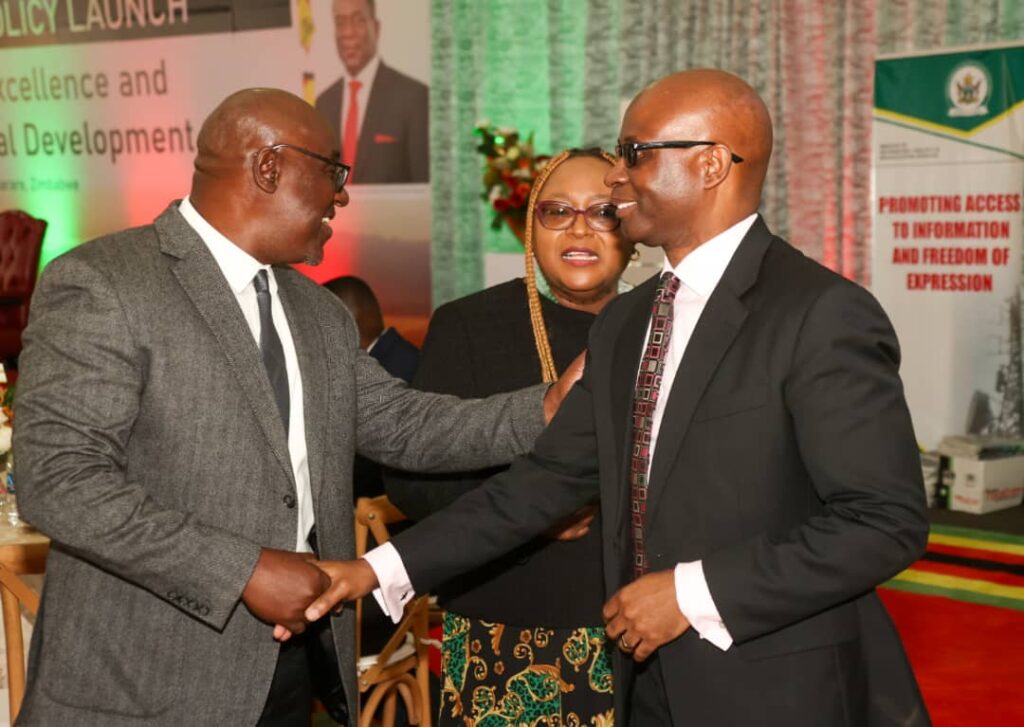
Media stakeholders gather for historic event
The event has drawn a full house of media stakeholders, regulatory authorities, and industry professionals, all gathered to witness a historic step towards modernisation and inclusivity in the media sector.
The theme is “Promoting media excellence and diversity for national development.”
Information, Publicity and Broadcasting Services Minister Dr Jenfan Muswere, who has championed the policy since its early drafting stages, is leading the media stakeholders.
This policy is designed to protect Zimbabwe’s image, sovereignty, and territorial integrity while promoting a robust digital economy and a diverse media industry.
It outlines ambitious goals to transform the media environment through modern infrastructure, emphasising professionalism and creating a comprehensive code of ethics to raise media standards nationwide.
The policy not only seeks to ensure the viability and sustainability of the media but also to cultivate national values and foster a common understanding of Zimbabwe’s history and development goals.
New policy vital in AI era
The news Policy will be vital in shaping how media operates amid fast-evolving technological changes, academia has revealed.
Speaking on the policy’s implications, Media Law lecturer Mlondolozi Ndlovu emphasised its relevance.

“The media policy will be key in the context of changing media dynamics as a result of artificial intelligence.
“It will help shape the national discourse around ethical, professional, and responsible media during these times where technology has affected media consumption and distribution,” he said.
Policy to diversify media landscape: Parly
The chairperson of the Parliamentary Portfolio Committee on Information, Publicity and Broadcasting Services, Honourable Caston Matewu has described the launch as a significant step towards media diversification, particularly in light of rapid global shifts in information consumption and dissemination.
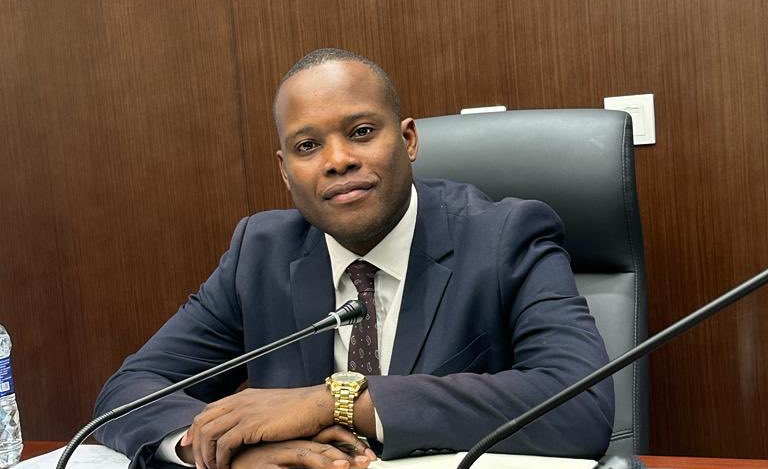
“I think what we are expecting from today’s launch is the diversification of media, given the changes that this world is experiencing,” he said.
Hon Matewu said the policy intends to respond to the evolving dynamics in Zimbabwe’s information space, where traditional journalism is increasingly complemented and in some cases challenged by citizen journalists and digital media platforms.
He said the policy dovetails with recent legislative reforms, including the Broadcasting Services Amendment Act that was signed into law this week by President Mnangagwa.
“This is now a culmination of the media landscape to ensure that we have a diversified media landscape in Zimbabwe,” he said.
Zim journalists await direction from new policy
Zimbabwe Union of Journalists (ZUJ) secretary-general, Mr Perfect Hlongwane has expressed hope that the forthcoming Media and Communications Policy will provide clear direction, legal reforms, and improved working conditions for journalists.
“What we expect is a policy that will give us direction in terms of where we are going as a sector, a policy that speaks to our concerns. This is how the sector will develop,” he said.
Mr Hlongwane also highlighted that journalists expect the new policy to deal with the issue of their welfare.
He said a robust and inclusive policy is critical for progress in the media landscape.
President arrives for launch
President Mnangagwa has just arrived in the auditorium.
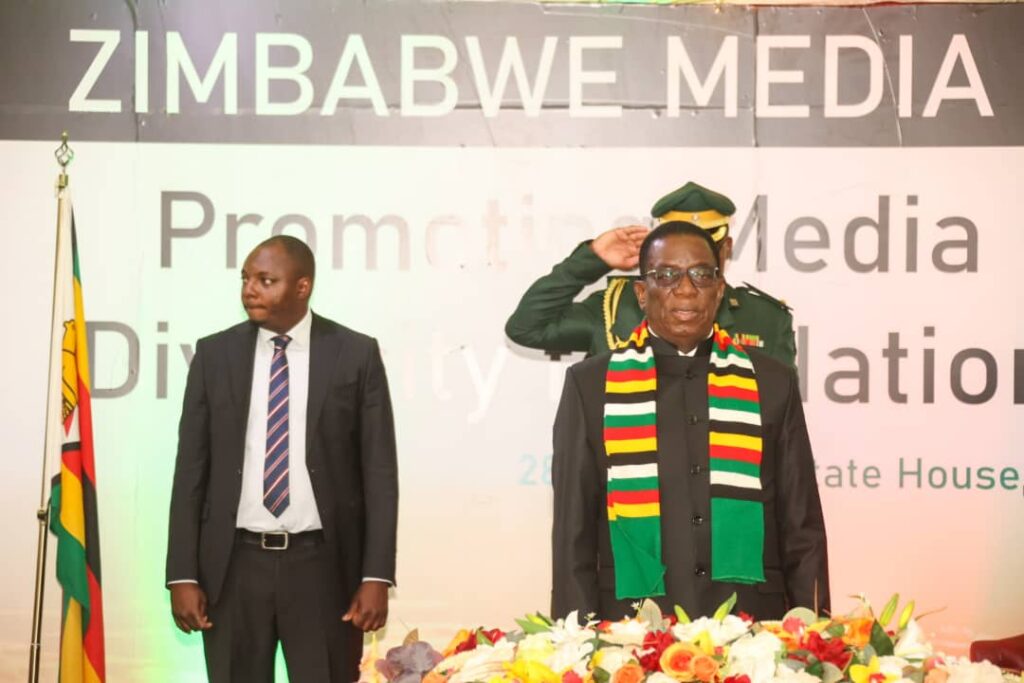
The National Anthem is being sung, thereby marking the beginning of the launch.
Chief Director in the Ministry of Information, Publicity and Broadcasting Services, Mr Jonathan Gandari, who is the Acting Permanent Secretary, gives a brief on how the Zimbabwe Media Policy was formulated.
Media Policy to advance national vision and digital sovereignty
The Zimbabwe Media Policy that has been officially launched by President Mnangagwa in Harare this morning is a transformative step in aligning media development with constitutional mandates and Vision 2030.
Speaking during the launch at State House, Information, Publicity and Broadcasting Services Minister, Dr Jenfan Muswere said the launch of the Zimbabwe Media Policy is in fulfilment of the Constitution.
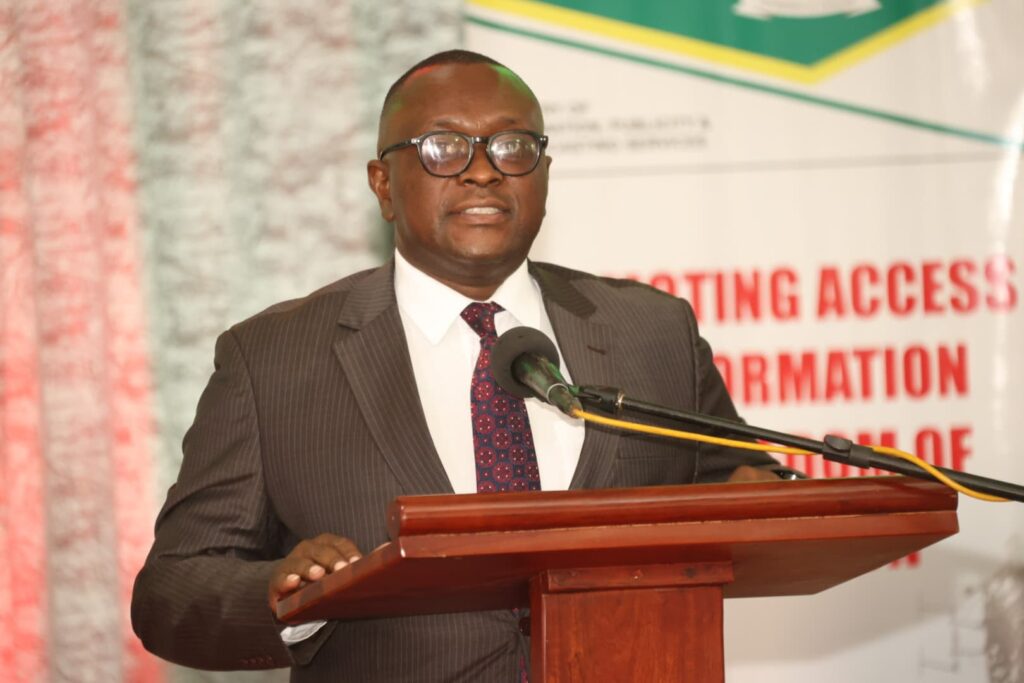
“It is a reflection of the deliberate leadership of His Excellency, President Dr E.D. Mnangagwa, whose guidance continues to shape practical and impactful policy implementation under the Second Republic.”
Dr Muswere said the policy is a product of extensive stakeholder engagement, embracing contributions from media professionals, academia, civil society, and the public sector.
Media should be a shining beacon of inclusivity and national pride: President
President Mnangagwa has taken to the podium to give his keynote address.
He began his address by acknowledging the impact of emerging technologies in the media landscape.
“AI has reshaped information gathering, analysis, production and sharing,” he said.
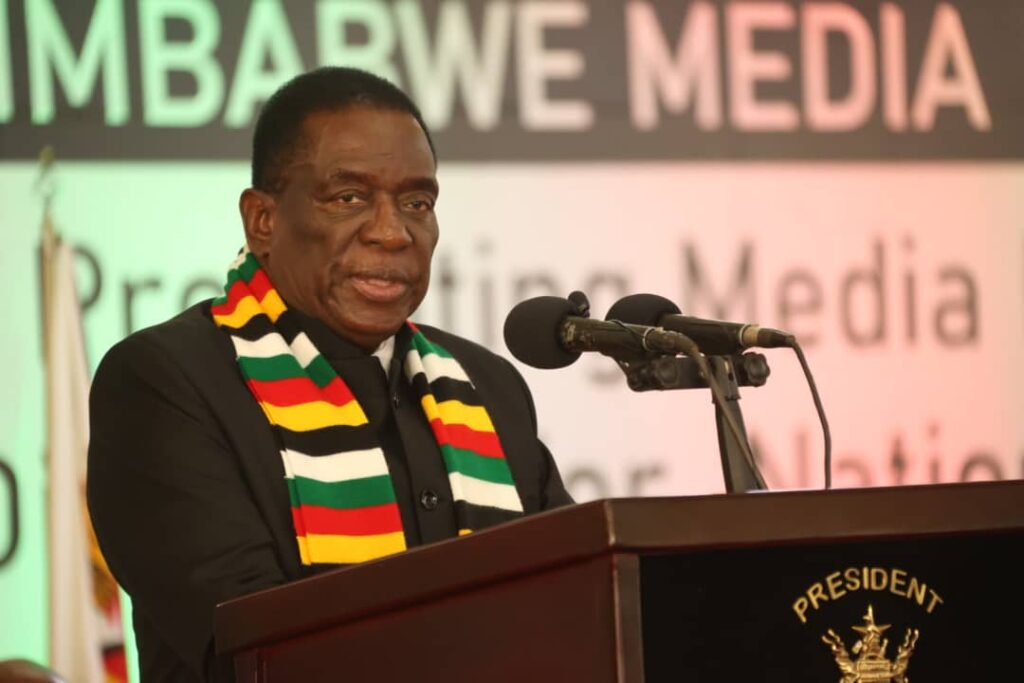
The President went on to reaffirm the Second Republic’s commitment to freedom of the press.
“The formulation and launch of this policy is in line with Sections 61 and 62 of the Constitution, which sets out fundamental principles guiding our media,” he said.
Government, he added, guarantees that the general citizenry will have unfettered access to factual information.
“The need to protect the users from exploitative practices cannot be overemphasised,” said the President.
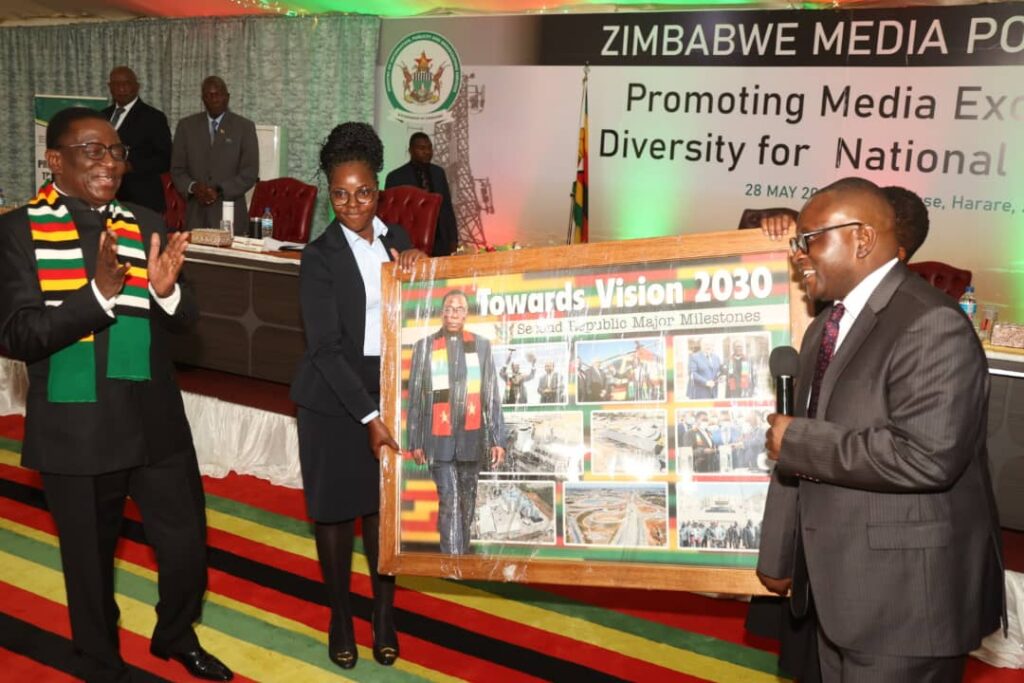 He said the media must propagate the country’s development trajectory pursuant to the attainment of an upper-middle-income society by 2030.
The Head of State and Government said Zimpapers’ digital transformation is on course.
Acting Zimpapers Chief Executive Officer Mr William Chikoto and Herald Editor Mrs Victoria Ruzvidzo are among dignitaries in attendance at the launch.
“The modernisation of Zimpapers is now at an advanced stage; it will make the media house more competitive in the digital age,” he said.