Online Reporter
Rumbidzayi Zinyuke
Health Buzz
As Zimbabwe pushes forward in its quest to achieve universal health coverage, the spotlight has increasingly turned to the quality of health infrastructure and the availability of essential medical equipment across the country.
This need is most pronounced in district and provincial hospitals, vital points of first contact for millions, particularly during emergencies.
A recent visit by Health and Child Care Minister Dr Douglas Mombeshora to Chivhu District Hospital vividly illustrated both the progress made and the persistent gaps that could threaten the provision of timely, quality health services.
Chivhu, situated along the busy Harare–Masvingo highway, mirrors the broader structural and operational challenges facing many of Zimbabwe’s public health institutions: rising patient demand, limited physical space, outdated equipment and inadequate preparedness for emergency response.
The minister’s inspection, part of a nationwide fact-finding mission, reinforced the critical need to strengthen infrastructure, boost staffing levels and ensure hospitals along key transport routes are fully equipped to handle trauma and emergencies.
“We need to support this facility in terms of being able to handle emergencies, because it is on the highway, so that is not meeting our expectations,” Dr Mombeshora said. “I don’t think there’s a facility that is 100 percent meeting our expectations, even if you go into private practice.”
His remarks highlight a crucial yet often neglected facet of health system resilience — the capacity of frontline hospitals to handle trauma from road traffic accidents, which are becoming alarmingly frequent on Zimbabwe’s highways.
The Harare-Masvingo-Beitbridge highway is known for some of the deadliest accidents. But these accidents are not only limited to this road. All of Zimbabwe’s roads record a high number of road accidents.
According to the World Health Organisation, Zimbabwe records more than 665 road fatalities annually — an average of nearly five lives lost every day. With an estimated road traffic death rate of 35 per 100 000 people, Zimbabwe ranks among the worst-affected countries in the region.
Such grim statistics place enormous pressure on district hospitals like Chivhu, which often lack the resources to deal with mass casualties.
However, at Chivhu District Hospital, some positives emerged — the facility currently has eight doctors, surpassing its required seven. But the physical infrastructure remains inadequate. Bed shortages, worsened by the increased patient load from the nearby Dinson iron and steel plant in Manhize, are straining the hospital’s ability to respond to emergencies effectively.
This challenge is symptomatic of a larger, nationwide issue: rapid population growth, expanding industrial activity and evolving health needs are outpacing infrastructure development in the health sector.
Under Zimbabwe’s primary health care model, district hospitals play a central role as the first line of response. But their ability to save lives hinges on having functional emergency rooms, essential equipment and adequately trained personnel. In the absence of these, patients can — and do — die from injuries that could have been treated.
While recent acquisitions such as two anaesthetic machines and two theatre beds are commendable, Dr Mombeshora acknowledged they are far from sufficient to meet the volume and complexity of trauma care demanded along this busy corridor.
In an effort to ease the load, plans are underway to construct a 22-bed mini-hospital to serve the Dinson Mine community. This form of decentralised infrastructure — bringing care closer to industrial and population hubs — is not only strategic for routine services but also vital for emergencies. It provides a replicable model for other regions grappling with similar challenges.
Yet physical infrastructure alone is not enough. The human resource crisis remains a pressing concern. The minister expressed disappointment over the hospital’s constrained nurse recruitment, which saw only 10 new nurses hired this year.
“I was not happy about that. So we wanted to see the training facilities that are here and see if we can increase the number of nurses to be taken on board this coming September,” he said.
Dr Mombeshora’s push to assess local training capacity and ramp up recruitment reflects a long-standing issue in the health sector: the persistent shortage of skilled staff. Without an adequate complement of nurses, doctors, and support personnel, even the most modern hospitals cannot function effectively.
Despite these constraints, progress is visible.
The hospital’s acquisition of surgical equipment and the proposed new facility in Manhize were both welcomed by the Minister. These developments signal positive steps towards improving access to care and reducing the burden on Chivhu’s existing infrastructure.
This targeted, needs-based investment approach — prioritising facilities with the highest patient loads or risk exposure — must be scaled up across the country. A strong, decentralised health system ensures that no single facility bears the brunt of multiple service demands.
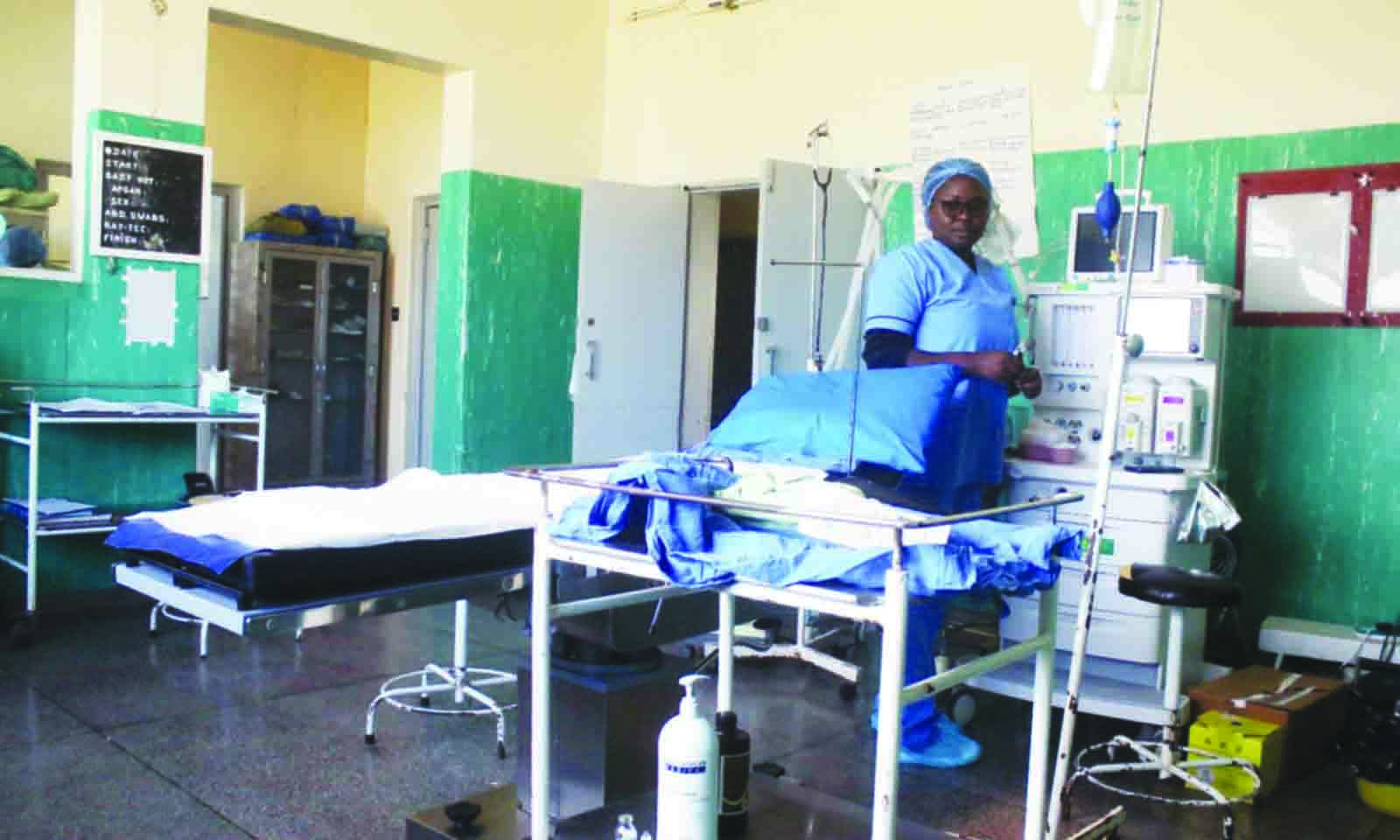
As the Ministry of Health continues its facility inspections, the insights gathered must be translated into tangible reforms. These visits offer an opportunity to identify and respond to bottlenecks in real time. But more importantly, they must be backed by long-term investment strategies that address infrastructure deficits across district, provincial and tertiary institutions.
Recognising these urgent needs, President Mnangagwa has already taken steps to secure investment aimed at overhauling the country’s health system. Through his re-engagement efforts and economic agenda, he has prioritised health as a key sector for foreign direct investment, partnering with international financiers and private players to support the rehabilitation and equipping of hospitals.
His Government’s push to mobilise resources for modern diagnostic tools, advanced medical technologies, and the construction of new health facilities is part of a broader vision to build a resilient and inclusive health system that meets the needs of every Zimbabwean.
Equipping health facilities with modern tools and adequate staff is not merely about enhancing efficiency — it is a matter of life and death. If Zimbabwe is serious about reducing avoidable mortality and building a responsive health system, facilities like Chivhu must be prioritised.
Whether it’s a mother in labour, a miner injured at work, or a victim of a traffic accident, every Zimbabwean deserves access to prompt and high-quality care. And that begins with well-staffed, well-equipped health institutions — especially those at the frontline.
To realise its vision of universal health coverage and reduce deaths from preventable causes, Zimbabwe must determine how fast, how much and how strategically those investments should be made.
Feedback: [email protected]