Online Reporter
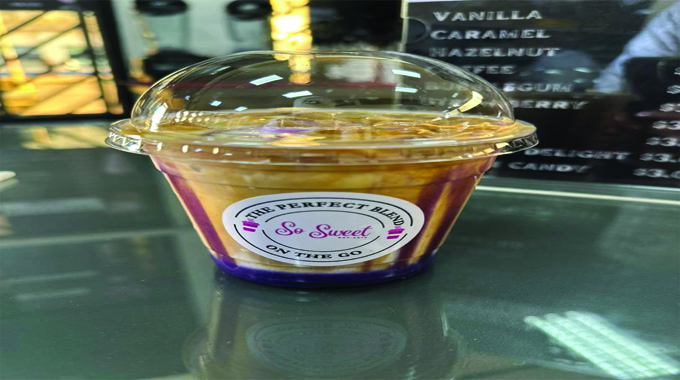
So Sweet
THE iced latte, a ubiquitous fixture on coffee shop menus across the world today, might seem like a relatively modern invention, a chill companion to the cappuccino or flat white. However, its refreshing journey from a humble battlefield concoction to a global phenomenon steeped in milky goodness is a tale spanning centuries and continents, demonstrating coffee’s remarkable adaptability.
The very concept of cold coffee can be traced back to 1840 Algeria, during the Battle of Mazagran. French soldiers, facing sweltering heat and a dwindling supply of milk, reportedly improvised by adding cold water to their coffee. This cold, sweetened coffee, known as mazagran, became a refreshing necessity. Upon their return to Paris, these veterans introduced the idea to local cafés, serving the chilled brew in tall glasses — hence, café mazagran was born, marking the earliest known form of iced coffee.
As mazagran travelled across Europe, it diversified. In Austria, a shot of rum might be added, while in Portugal, espresso, mint, and lemon found their way into variations. Greece later contributed the frappé in 1957, an accidental invention by a Nestlé representative, Dimitris Vakondios, who, lacking hot water, shook instant coffee with cold water and ice. This frothy, cold drink became a national favourite.
While iced coffee in its various forms had existed, the iced latte as we know it today, with its smooth blend of espresso and cold milk over ice, is a more recent refinement, deeply tied to the rise of espresso machines and the subsequent coffee culture boom. The “caffè latte” (coffee and milk) itself has Italian roots, appearing in written English as early as 1867.
However, these early versions likely bore little resemblance to the modern espresso-based beverage, as dedicated espresso machines only gained traction in the early 20th Century.
The true popularisation of the modern latte, and subsequently its iced counterpart, largely occurred in the United States in the 1980s, particularly in Seattle. As espresso bars flourished, the demand for cold coffee drinks grew, especially among younger demographics accustomed to chilled beverages like soft drinks.
Baristas began experimenting with cold milk and ice added to espresso shots, creating the creamy, milder drink that many now prefer.
A significant turning point in the iced latte’s global ascent was arguably Starbucks’ introduction of its Frappuccino in 1995. While a blended iced coffee drink, its immense commercial success familiarised a mass market with the concept of cold, milk-based coffee beverages, paving the way for the simpler iced latte to become a staple.
Today, the iced latte continues to evolve. The rise of cold brew coffee, which offers a smoother, less acidic coffee concentrate, has provided an alternative base to espresso, further diversifying the iced latte experience. Plant-based milk options, such as oat, almond, and soy, have also played a crucial role in its widespread appeal, catering to diverse dietary preferences and expanding its market reach.