Online Reporter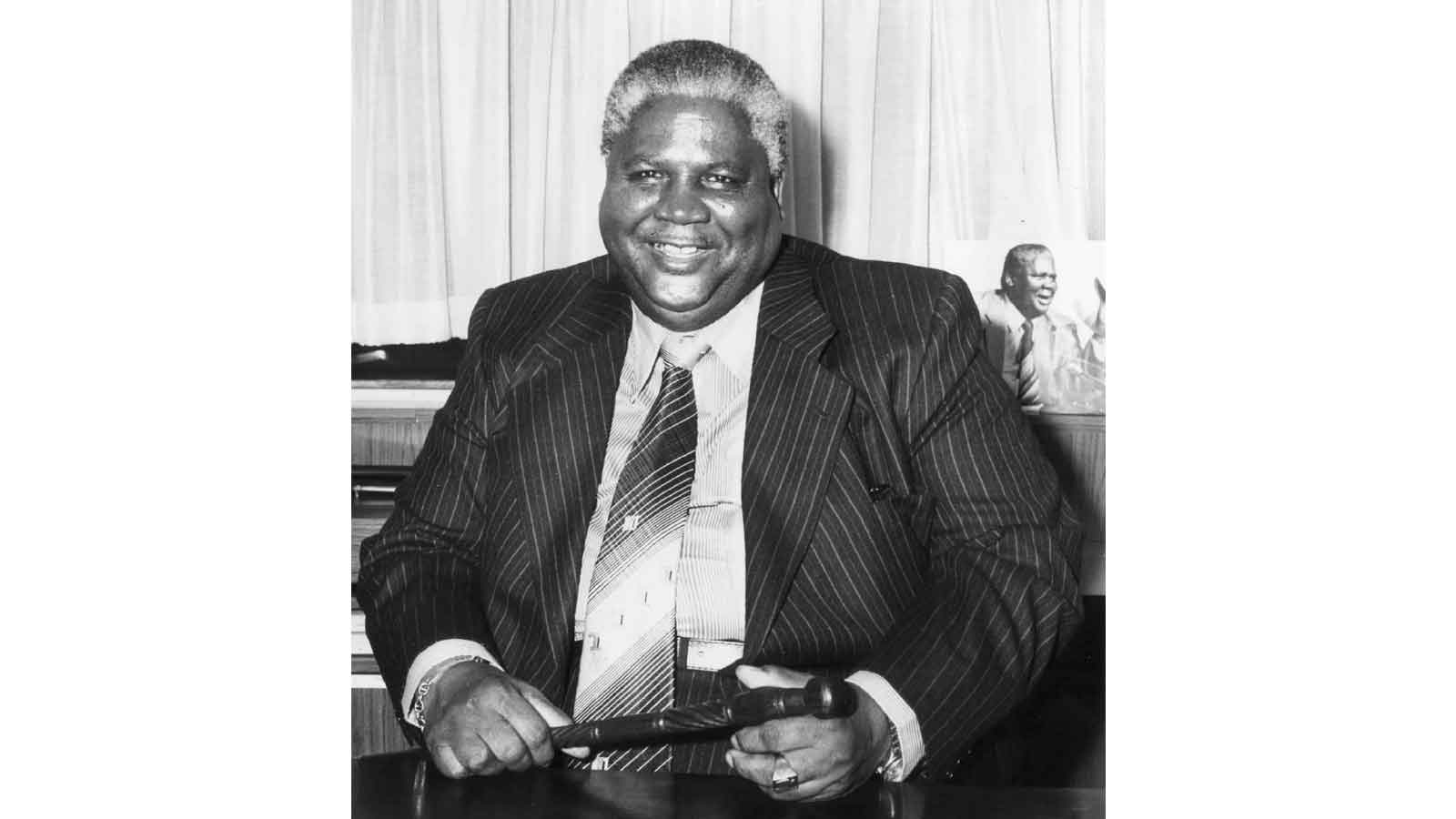
MacDenias Moyo
The liberation war was not fought for abstractions, it was fought for soil and stone, for the land beneath our feet and the minerals beneath that land.
The colonial order dispossessed us of fertile valleys and of gold veins, platinum reefs, chrome seams and diamond fields siphoned away to enrich imperial capitals, while the indigenous majority languished in poverty.
Heroes Day is the covenant renewed, reminding us that our fathers and mothers bled so that the mines of Zimbabwe would one day be in the hands of black Zimbabweans and that the wealth of our soil would feed our families and build our republic.
The colonial economy was a grotesque edifice built on exploitation. Africans were cut off from mining rights, reduced to cheap labour, while the settler elite externalised our resources to London and Johannesburg.
Joshua Nkomo thundered that “the wealth of our soil must serve our people, not foreign masters.” Robert Mugabe declared that “our minerals are the birthright of Zimbabweans, and no foreign power shall dictate their use.” Josiah Tongogara reminded comrades that the struggle was about land and mines, for without control of resources independence would be hollow.
Fallen nationalists warned that without sovereignty over our minerals, the liberation war would be meaningless.
Independence in 1980 brought the First Republic and with it the Indigenisation and Economic Empowerment Act of 2007, which mandated that 51 percent of shares in every public company be owned by indigenous Zimbabweans.
This clause was revolutionary, placing the commanding heights of the economy in the hands of the black majority. Though met with sanctions and hostility from the West, it laid the foundation for sovereignty. Zimbabwe turned to the Look East Policy, forging partnerships with China, Russia and other allies who respected our sovereignty. These partnerships brought investment in platinum, gold and diamond mining, sustaining the economy under siege. Former Minister of Mines Obert Mpofu declared that “Zimbabwe will never surrender its resources to imperialists, our minerals must serve our people.”
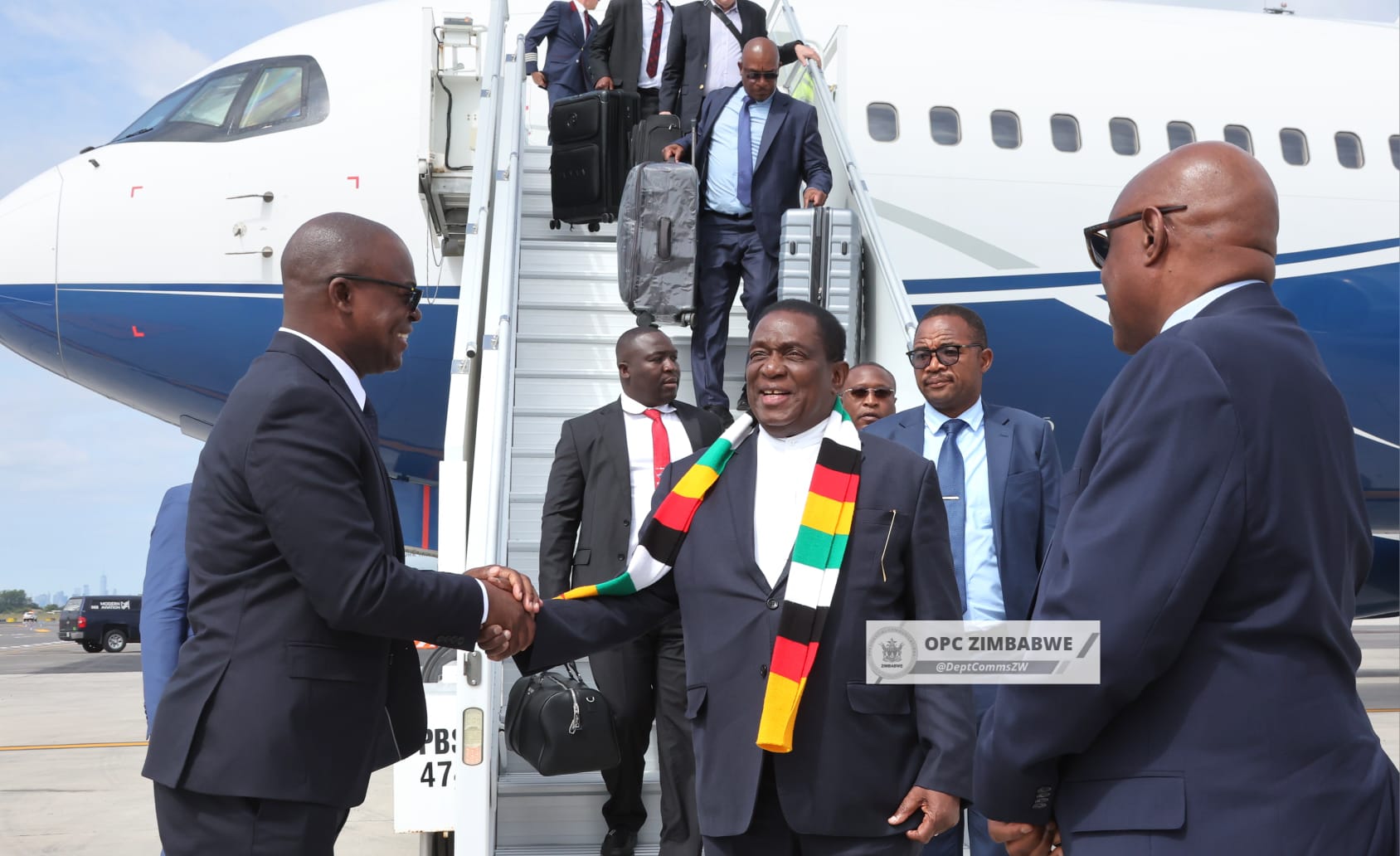
The Second Republic under President Mnangagwa has consolidated these gains with clarity and vision. He declared that “Zimbabwe is open for business, but Zimbabwe is not open for plunder.” His Government has slashed mining fees and removed unnecessary charges to facilitate ease of doing business.
It has banned the export of unprocessed ore, insisting on value addition and beneficiation. Minerals must be refined within Zimbabwe, creating jobs and ensuring that the nation captures full value.
The Mines and Minerals Amendment Bill has tightened regulation, ensuring transparency and accountability. The Zimbabwe Investment and Development Agency has streamlined investment, while safeguarding sovereignty.
The Government has set ambitious targets under Vision 2030, projecting a US 12 billion mining industry. Already the sector contributes over 60 percent of export earnings and employs millions, feeding hundreds of thousands of families.
Gold production has surged past 35 tonnes annually, with new refineries ensuring value addition. Platinum output has expanded, with Zimbabwe now the third largest producer globally.
Diamond mining has stabilised, with the Zimbabwe Consolidated Diamond Company ensuring state oversight.
Lithium has emerged as the new frontier, with Zimbabwe holding some of the largest reserves in the world, positioning the nation as a key player in the global energy transition.
Chrome and ferrochrome exports have grown, feeding steel industries. Coal and thermal power projects have expanded energy security. Nickel, copper and iron ore are being harnessed for industrialisation. The Government has insisted on local beneficiation, ensuring that raw minerals are processed within Zimbabwe, creating jobs and value.
The steel industry has been revived under the Second Republic, with projects promising industrialisation and job creation.
Steel is the backbone of construction and manufacturing, and its revival signals the rebirth of Zimbabwe’s industrial base.
Lithium promises to transform Zimbabwe into a global hub for energy minerals, as the world shifts to electric vehicles and renewable energy. President Mnangagwa has declared that “our lithium must power our industries, our homes, our future, it must never again be siphoned away to foreign capitals.”
Policies such as the Zimbabwe Diamond Policy, the Gold Mobilisation Strategy and the Lithium Development Framework have ensured that resources are not externalised, but channelled into national development. The Government has invested in infrastructure, roads and energy to support mining.
The Sovereign Wealth Fund has been established to ensure that mineral revenues benefit future generations.
The Environmental Management Agency has enforced sustainable mining practices.
The Zimbabwe Revenue Authority has tightened monitoring to curb smuggling and illicit flows. Institutions such as Kuvimba House and Munhumutapa have become symbols of consolidation, anchoring mining revenues into national development.
They represent the determination of the republic to ensure that the wealth of our soil is harnessed for posterity.
The mining sector has become the backbone of the economy. It employs millions, from artisanal miners to engineers, from geologists to transporters. It feeds families across provinces. It sustains communities with clinics, schools and roads built from mining revenues. It has empowered youth and women through cooperatives and empowerment schemes. It has attracted investment from allies who respect our sovereignty. It has positioned Zimbabwe as a key player in global markets.
It has consolidated the gains of the struggle, ensuring that the sacrifices of our heroes were not in vain.
Heroes Day is the covenant renewed.
It is the reminder that our heroes fought for land and mines, for soil and stone, for the right to till the earth and to mine its depths. It is the reminder that sovereignty is sacred, that unity is non negotiable, that vigilance is demanded of the living.
It is the proclamation that Zimbabwe shall never be a colony again, that the republic shall endure, that the vision of Nehanda and Kaguvi, of Nkomo and Tongogara, of Mugabe and Chitepo shall continue to animate the nation’s spirit.
The mines are in our hands, the wealth of our soil serves our people, the covenant of Chimurenga remains unbroken.
They fought for our minerals to benefit Zimbabwe, not to build the West. The republic endures because the soil and stone have been reclaimed. The bones have risen, the covenant is fulfilled, the destiny of Zimbabwe is secure.