

 Chronicle Editor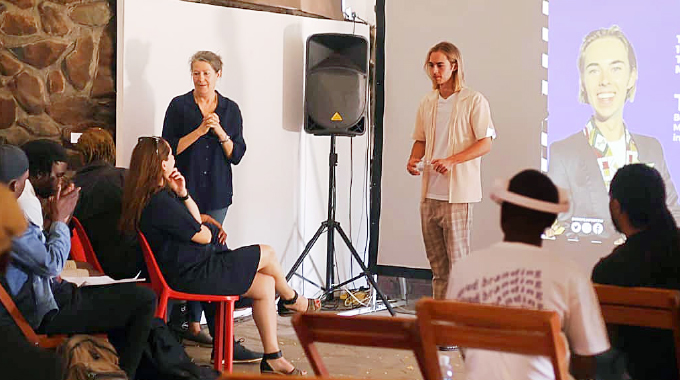
Mbulelo Mpofu, [email protected]
THIS year’s European Film Festival Zimbabwe (EuroFilmFestZW) has set a new standard for cinematic celebrations in the country, marking a significant departure from previous editions.
Running from October 10 to 20, the festival embraced a broader geographical footprint, showcasing films and fostering cultural dialogue across four vibrant cities: Harare, Kadoma, Gweru, and Bulawayo.
For the first time in its history, EuroFilmFestZW expanded its reach beyond the capital cities, Harare and Bulawayo, to include two new locales — Kadoma and Gweru — underscoring a commitment to inclusivity and accessibility in the arts.
The festival kicked off at the Mbare Art Space in Harare from October 10-13, before moving to Kadoma’s Campbell Theatre on October 15, followed by Gweru Memorial Library on October 16, and concluding at the iconic Ster-Kinekor cinema in Bulawayo from October 18-20.
This ambitious geographical expansion has allowed more audiences to engage with a diverse array of films and cultural activities.

In an interview with Saturday Leisure, EuroFilmFestZW facilitator, Alex Gwaze, underscored the need for the geographic expansion, citing the need to keep the love for film alive.
“We added these two dates (for Kadoma and Gweru) because we’ve noticed that in these spaces, the cinema houses are closing and there’s only two left now. So, there’s a wide range of people who’ve never experienced a cinema set-up, so for us, adding these two dates is all about catering to those communities. So, it wasn’t just about expanding our footprint but also giving people that opportunity to enjoy films,” he said.
This year’s festival offered an extraordinary line-up of films that celebrated both European and African narratives, creating a rich tapestry of storytelling.
Highlights included not only screenings but also interactive workshops and discussions aimed at fostering deeper engagement with the cinematic arts.
“Movies serve as a universal language, breaking boundaries and uniting people through shared stories.
This year’s European Film Festival celebrates not only European cinema but also African and Zimbabwean storytelling, creating a platform for cultural exchange and dialogue,” said Roberta Wagner, the festival curator.
Annually, the festival awards extraordinary pieces of art, but this year introduced the inaugural Best Actor/Actress Award, which recognised outstanding performances in film.
The winners of the 2024 Bioskop Short Film Competition were announced during the opening ceremony on October 12 in Harare, capturing the essence of emerging talent in the film scene. The winners included Derby Bheta’s “My Husband Joe” for Best Narrative, Dumie Manyathela’s “Chasing Levels” for Best Documentary, Jonathan Samukange’s “Fat Bastard” for Best Cinematography, Tinashe Dorobeni’s “My Brother’s Keeper” for Best Sound, Admire Zimbeva’s “Therapist” for Best Diaspora Narrative, and Chiedza Mimz Rwodzi for Best Actor/Actress.

These accolades not only celebrate artistic achievement but also encourage filmmakers to push creative boundaries in their storytelling.
A key highlight of this year’s festival was the collaboration between the European Union and the National Arts Council of Zimbabwe (NACZ), now in its second year.
This collaboration has significantly strengthened cultural ties through diplomacy, creating a platform for dialogue and exchange.
The festival featured a Round Table Discussion aimed at addressing critical issues within Zimbabwe’s film sector, coinciding with the launch of the Zimbabwe Film Strategy.
Participants explored topics such as representation in film, censorship, production ethics, the impact of technology, and funding challenges. This open forum provided local filmmakers the opportunity to share experiences, insights, and foster South-North cooperation, thereby promoting peer-to-peer learning.
Highlighting the importance of these kinds of collaboration, NACZ’s Communications and Marketing Manager, Agga Nyabinde, said, “The Film Strategy is part of the Government’s efforts to revive the film sector and within this strategy, some of the important things that creative minds have been probing for are collaboration with the international community so that Zimbabwe can also exhibit its artistic prowess in the film sector and also learn from how other countries do it.”
“So, when we partnered with the EuroFilmFestZW, the idea was to exchange ideas where we also talked about the coming of age of the National Film Strategy, unpacking its pillars, and also have an open discussion with an audience. We harnessed a lot of insights and look forward to more of these exchange programmes so as to keep networking with filmmakers from Europe.”
Reflecting the festival’s theme, “Beyond Boundaries: Empowering Women Through Film,” this year’s edition placed a significant emphasis on gender equality in the arts.
Audiences were treated to powerful narratives featuring strong female leads and films directed by women.
Some of the international films under the “Filamu Shorts” showcased at this year’s EuroFilmFestZW include Dear Ward (Egypt), Almaz (Sudan), Deja Nu (Ivory Coast), The Envoy of God (Nigeria), and Thirst (South Africa), among other productions.
Discussions centred on the vital role women play in the film industry, highlighting the importance of their representation both on and off-screen, showing a deliberate move to emancipate women.
EuroFilmFestZW 2024 has not only showcased films but also encouraged critical dialogue about the future of Zimbabwean cinema. By facilitating connections between local filmmakers and international professionals, the festival has opened doors for collaboration and innovation in storytelling.
Follow on X @MbuleloMpofu


 Online Reporter