

 admin
admincomplete withdrawal from the bloc, with London left more isolated than ever.
Prime Minister David Cameron went further than even “Iron Lady” Margaret Thatcher ever did, aligning Britain with just Hungary in blocking a treaty across the 27-member EU to resolve the euro’s debt crisis.
Cameron’s position was largely dictated by the need to head off a revolt from the “eurosceptic” wing of his Conservative party, even if it could eventually weaken Britain’s coalition government.
John Redwood, an arch Conservative eurosceptic, told AFP that Cameron “had to do what he did.”
“It was very disappointing that the rest of the EU leaders rejected the PM’s generous offer,” he said, referring to Cameron’s calls for an opt-out for Britain that would protect the City of London financial services hub.
Redwood, a former Conservative leadership contender and one-time advisor to Thatcher, said he personally would now push for a “different relationship” with the EU if the remaining members formed a separate group without Britain.
“And our position is very popular with the British public. I think I speak for 70 to 80 percent of the population in what I have said,” he said.
Bill Cash, another leading Conservative eurosceptic, agreed.
He said Britain was “now embarked on a very serious, responsible path towards renegotiating in a fundamental way the whole of our treaty relationship with the European Union.”
In October, Cameron suffered the largest rebellion of his premiership when 79 Tory lawmakers voted in favour of a referendum on Britain’s relationship with Europe.
In a sign that the issue crossed party boundaries, former Europe minister and opposition Labour lawmaker Denis MacShane said yesterday there was “now little point in Britain staying in the EU.”
“It is an historic turning point and Britain might as well get out now as Europe’s future will be settled without us,” MacShane said, adding that Britain would now become like non-EU members Norway or Switzerland.
British commentators said the implications of the veto would reverberate for years to come, with fears that Britain could now actually be in a weaker position to fend off majority EU directives targeting the City.
Dubbing it “Europe’s great divorce”, the Economist magazine warned that it could also force euro-denominated transactions to move out of London and into eurozone financial hubs such as Frankfurt.
The British veto in many ways distilled decades of tensions between Britain and Europe, with reminders of the 1992 Maastricht treaty leading to the creation of the EU when London held out against compulsory joining of the euro.
It also harked back to the days of Thatcher, who reportedly banged her handbag on the table at a 1984 European summit to demand a budget rebate for Britain, but whose euroscepticism created deep divisions within her own party.
In 2011, the move highlights Cameron’s political troubles at home. As well as his own party, Cameron faces trouble from junior coalition partners the Liberal Democrats, who are traditionally more pro-Europe.
Lib Dem Deputy Prime Minister Nick Clegg on Friday expressed “regret” that there was no EU deal, but insisted that Britain’s demands for safeguards were “modest and reasonable”.
Opposition Labour leader Ed Miliband criticised Cameron for leaving Britain isolated.
“David Cameron should be building alliances. The UK went into the summit without them and the outcome showed we lacked influence,” Miliband said.
Meanwhile, former Labour foreign minister David Miliband was one of many to mock Britain’s stance, saying Cameron had “jumped into (a) rowing boat with Hungary next to (a) 25-nation supertanker. That is weakness not strength.” – AFP.


Online Reporter
- Chronicle , Herald , Manicapost , SundayMail , SundayNews
- September 19, 2026
- 35 views
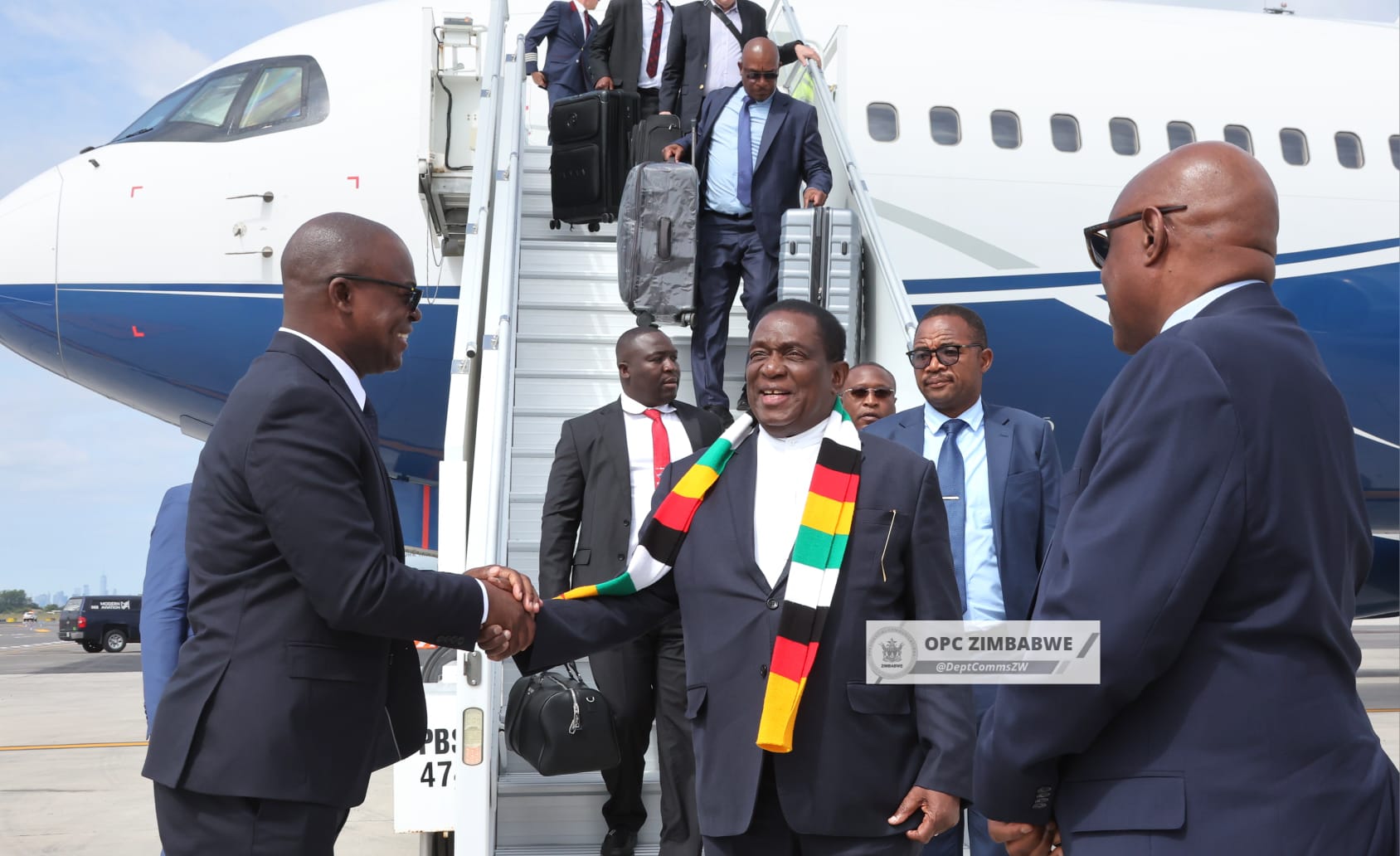
NEW: President Mnangagwa arrives in New York, to attend Zimbabwe Business Forum tomorrow
Wallace Ruzvidzo in NEW YORK, USA PRESIDENT MNANGAGWA has arrived in New York to join fellow Heads of State and Government at the 81st Session of the United Nations General…
