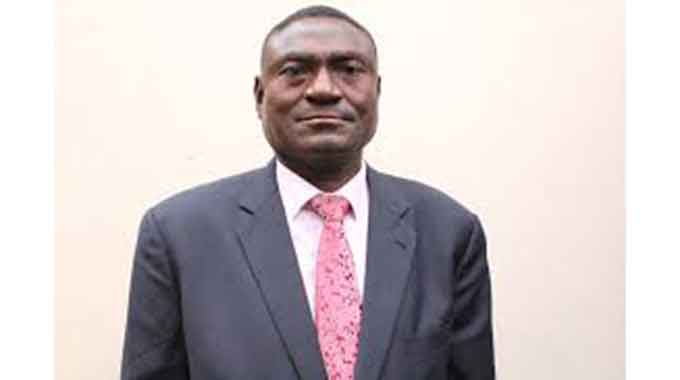
Vusumuzi Dube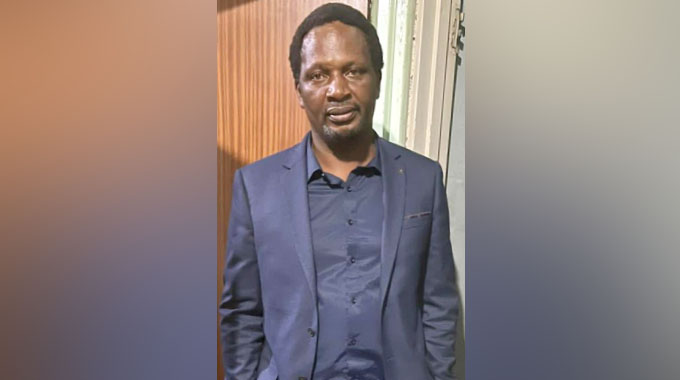
THE ruling party, Zanu-PF, is making significant inroads into Bulawayo, traditionally an opposition stronghold.
Under the “Dzokai Kumusha/Buyani Ekhaya” (Come Home) programme, several former opposition officials have joined the revolutionary fold.
Zimpapers Politics Hub Senior Reporter, Gibson Mhaka (GM), sat down with the Bulawayo provincial co-ordinator for the Dzokai Kumusha/Buyani Ekhaya programme, Cde Dingilizwe Tshuma (DT), to discuss his transition from the Citizen’s Coalition for Change (CCC) and his mission to turn the City of Kings into a Zanu-PF “green zone”. Below are excerpts from the interview.
GM: Cde Tshuma, before we dive into the current initiative, could you briefly outline your political background and why you joined Zanu-PF?
DT: I am a former Member of Parliament for Entumbane/Emakhandeni Constituency, serving from 2013 to 2023. I completed two consecutive terms before the delimitation exercise, which saw Entumbane merged with Njube.
In 2023, I contested in the CCC primary elections and won against a strong opponent, Gift Banda. However, my victory was sidelined when the then CCC president, Nelson Chamisa, imposed his preferred candidate against the will of the people. This led me to stand as an independent candidate in the harmonised elections, although I was unsuccessful. I officially joined Zanu-PF in December 2025.
Currently, I am the Provincial Co-ordinator for the Bulawayo Dzokai Kumusha/Buyani Ekhaya programme, working alongside Cde Albert Mhlanga.
Our mandate is to mobilise support and reposition Bulawayo, historically an opposition stronghold, into a Zanu-PF “green zone”. My decision to join the party was influenced by the Second Republic’s economic policies, which emphasise local production, industrial revival and empowerment initiatives, particularly in mining and small-scale enterprise development. I am fascinated by how the Government has handled the economy since 2017, specifically the emphasis on local production over imports, which has boosted employment and filled our shop shelves with Zimbabwean products.
GM: As Provincial Co-ordinator, how do you describe the magnitude of turning Bulawayo into a Zanu-PF “green zone”?
DT: It is a daunting task, but achievable. Bulawayo has long been under opposition control and has lagged behind in terms of development compared to other metropolitan cities. We believe this presents an opportunity for residents to reconsider their political choices. Through structured engagement and honest dialogue, we are introducing practical, people-centred strategies that address past shortcomings while offering workable solutions.
One of our key approaches is the kitchen meetings model, which allows direct interaction with residents in smaller groups. This creates space for open discussion, trust-building and clarity on policy issues. This strategy proved successful in the Nkulumane by-election, where we reclaimed the constituency by employing a team-based, digital approach.
GM: What is the ultimate mission of your team regarding the opposition’s long-standing dominance in the city?
DT: Our primary mission is to transform mindsets by engaging residents on issues affecting their daily lives — such as water shortages, power outages, deteriorating infrastructure and industrial decline. We are making them aware that Zanu-PF delivers. For instance, the Government is speeding up the Gwayi-Shangani Dam project, which is expected to improve water supply and broader infrastructure rehabilitation programmes.
These initiatives, we believe, will improve livelihoods and restore confidence in governance. This will also create a green belt along the pipeline and generate employment. Our goal is to “Zanu-fy” the city, returning it to its historical roots in the liberation struggle.
GM: How do you measure success within this programme?
DT: Success is measured through tangible outcomes such as increased voter turnout in by-elections, growth in party membership and active participation at the grassroots level. We have seen a noticeable rise in new members joining Zanu-PF and increased engagement in cell structures, which indicates a shift in the political landscape.
GM: You have indicated that the programme is already bearing fruit. What milestones can you highlight?
DT: During the Nkulumane by-election campaign, we engaged extensively with residents and managed to persuade a significant number of new voters to support our candidate. In Entumbane, through kitchen meetings, I have personally engaged and recruited over 80 new members, with numbers continuing to grow. We are also receiving increasing interest from across the city.
GM: What are these “kitchen meetings” and how do they work?
DT: Kitchen meetings are small, community-based engagements held in people’s homes. A host invites a few participants, and we engage them directly on political and developmental issues. These meetings are conducted in phases, allowing follow-up discussions and broader participation. They encourage openness, questions and a sense of ownership among participants.
GM: How do these meetings differ from traditional political mobilisation strategies?
DT: Unlike large rallies, kitchen meetings allow for one-on-one interaction. They build trust, encourage participation and create a sense of belonging. Participants are also connected through communication platforms for continuous engagement, ensuring sustained interaction beyond physical meetings.
GM: What impact do these engagements have on the electorate?
DT: They have had a positive impact. Regular engagement keeps people informed and involved, while also strengthening relationships between the party and the electorate. Politics is dynamic, and constant interaction ensures that people remain connected and aware of ongoing developments.
GM: What is the core message to Bulawayo residents through this initiative?
DT: The message is that meaningful change requires active participation.
Residents must be part of the development process by supporting leadership that prioritises service delivery and economic growth. Zanu-PF is positioning itself as a vehicle for inclusive development, and we are encouraging citizens to take part in shaping the city’s future.
GM: How confident are you that these strategies will succeed?
DT: I am confident. This is a collective effort involving all party structures, from national leadership to grassroots level. With co-ordinated strategies, adequate resources and sustained engagement, we believe the programme will achieve its objectives.
GM: How many new members have you recruited so far under the programme?
DT: To date, I have directly engaged and recruited over 200 members, with projections of reaching around 1 000 in the coming weeks. The response from residents has been encouraging and we expect continued growth as the programme expands. People are actually asking me, “Why are you leaving me behind?” The interest in Entumbane, Emakhandeni and Njube is encouraging. We have started moving the stones; soon, we will move mountains.
GM: Finally, Cde Tshuma, as a political figure with experience in local governance, what are your views on the Constitutional Amendment (No. 3) Bill and its potential merits for Zimbabwe?
DT: I view the Constitutional Amendment (No. 3) Bill as a progressive step towards aligning our supreme law with the evolving socio-economic and political realities of our nation. Its merits lie in its ability to enhance governance and streamline administrative processes that have previously hindered rapid development.


 Online Reporter