Online Reporter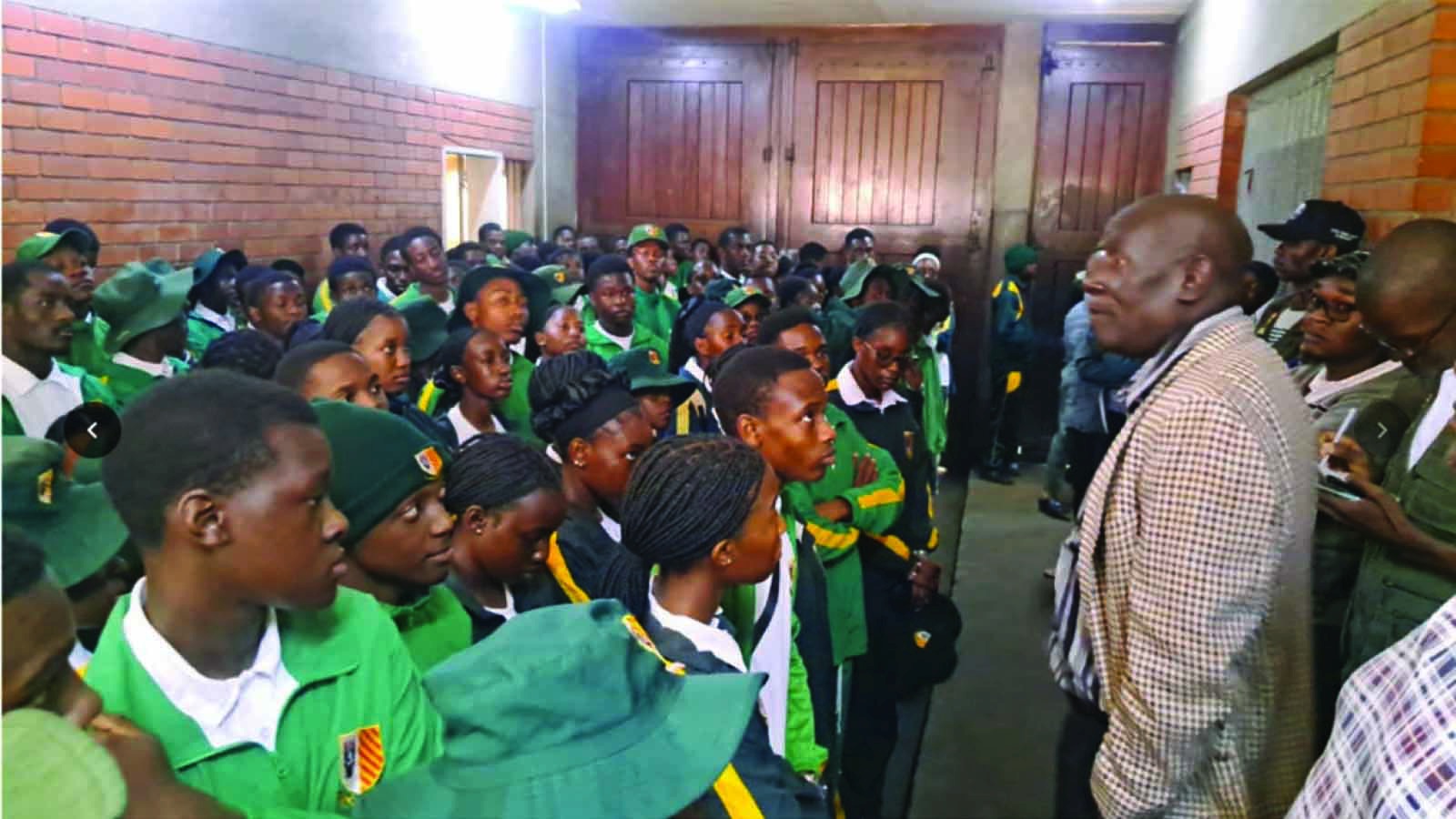
Arron Nyamayaro
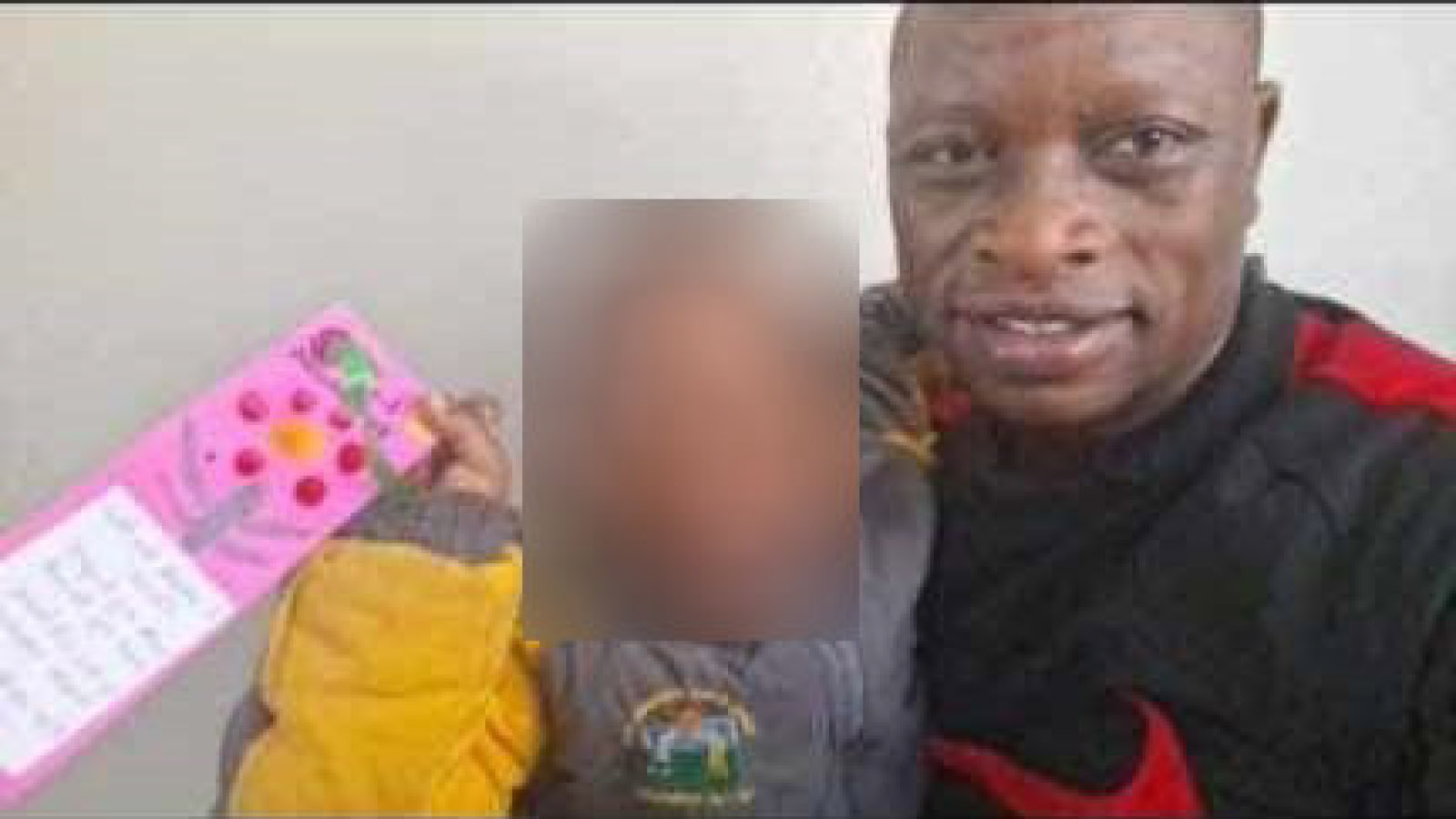
FORMER rugby star, Nigel Shumba, has narrated how drug and substance abuse drove him into a dark web and ended up with him in the Chikurubi Maximum Security Prison Psychiatric Unit.
He told his story to scores of St Ignatius College students, who undertook a tour of the prison on Saturday. Nigel was educated at an elite school.
Nigel revealed that he damaged a motorist’s car while under the influence of drugs.
He told the students that he was still uncertain as to when his trial will begin.
“I lost a number of opportunities apart from failing to make use of my better academic qualifications due to abusing substances while at school.
“All the sponsorship channels, which had opened up for me, were closed.
“I was arrested for malicious damage of property while under the influence of drugs and substances.
“I want to urge you students to avoid abusing drugs and substances, value your human state, share your problems and be guided by your parents and teachers.
“As we speak, I am here in prison, unaware of when I will be treated and be fit to stand trial as a drug and substance survivor.
“Prison life is not good at all, say no to drugs and substance abuse,” said Nigel.
There were 106 Lower and Upper Sixth students during the tour and they were accompanied by their chaplin George Chanda, school counsellor Fortunate Chokani, boarding master Nyuke and some teachers.
The students were shocked to discover how addiction cuts across different age groups with many inmates describing how they became involved with drugs due to pressure.
Several survivors pointed to peer pressure, mental stress and a lack of parental guidance as contributing factors.
They highlighted that substance abuse has roots in both social and personal vulnerability.
Through these experiences, the visiting students said they understood that no one, regardless of societal status or background, was immune to becoming an addict.
In commending school authorities for organising the trip, the students emphasised that the programme provided a sobering lesson on the urgent need to fight drug and substance abuse, particularly among young people whose lives are being destroyed.
They also expressed concern at the scale of the challenge, noting that nearly 400 people were among the unit’s patients.
The students said the tour reinforced the message that drug abuse is not only a criminal issue, but a serious threat to public health and youth development.
Speaking on behalf of the group, students said they now see addiction as a risk that can affect anyone, even those from privileged backgrounds.
Their message was clear — drug abuse is not only a criminal problem, it is a public health and social responsibility that must be addressed early, through education, guidance, and community support.
The students urged schools, families, and youth leaders to intensify programmes that teach substance resistance, strengthen parental involvement and provide early mental health support.
“What began as an ‘educational trip’ turned into a life-changing lesson for us as we listened to the testimonies of the inmates and survivors of addiction,” said one of the students.
“We want to thank ZPCS for the transformation, rehabilitation and reintegration of offenders, our school authorities for taking us to face the reality of the drugs and substances abuse scourge as well as the inmates for sharing their personal life in order to save our lives and shape our today and future.
“During discussions with patients, we observed how individuals from different backgrounds coped, struggled and, according to some testimonies, fell into harmful habits.
“We also realised that what society labels as ‘respectable’ status offered no complete protection against addiction.
“These inmates are our brothers and sisters, our parents, they deserve our support, rights to be heard and visited.
“Today’s experiences with inmates is so humbling and eye opening, we need to take every day of our life seriously.”
By the end of the programme, the college students said they had gained a deeper understanding of addiction as a preventable tragedy and they commended the school authorities for organising the tour.
They described the trip as “educative” not simply because it showed the consequences of drugs but because it helped them see why stronger prevention is necessary, especially among young people, whose lives are already being destroyed.
The students said they left with one key takeaway — to fight drug and substance abuse now before more lives are lost.