Chronicle Editor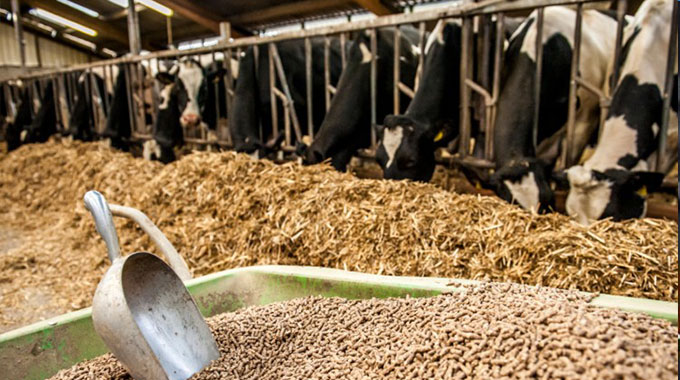
Dumisani Nsingo, Senior Farming Reporter
FARMING experts in Matabeleland region are calling on the Government to expedite the process of distributing supplementary stock feed so as to guard against loss of livestock due to drought.
Matabeleland North Department of Veterinary Services provincial officer Dr Polex Moyo said there was a need for Government to urgently intervene and start the process of distributing supplementary stock feed as well as rehabilitating boreholes to improve water supply to livestock especially cattle in communal areas so as to guard against poverty deaths.
“Most of the cattle in the province are now in poor state due to the effects of the drought. It appears the Government and its partners are taking long to respond to the situation, which is most likely to be catastrophic very soon.
“Apart from lack of grazing pastures, most of the remaining watering points are likely to dry up after this cold weather spell and thereafter the situation will be dire. One thing for certain we are likely to lose a lot of cattle in some areas in Tsholotsho District,” he said.
Dr Moyo said although cases of cattle poverty deaths have not reached alarming levels, the situation was likely to deteriorate if efforts to move supplementary stock feed to the most affected areas are not urgently stepped up.
“At the moment we have certain portions in Tsholotsho, Umguza and Lupane where cattle are really in a poor state but very soon livestock in the entire Province will be under threat.
“Farmers should start doing selective culling now by selling their old and non-productive animals to buy feed for their young cows and heifers. They should also wean grown calves from their mothers,” he said.
Matabeleland North Department of Crop and Livestock Production livestock specialist Mr Admore Chikowa said there was a need for farmers to take the lead in ensuring the survival of their livestock through supplementary feeding.
“Farmers have to supplement their stock with commercial or home improved feeds.
It is of paramount importance for the farmers to work closely with their local extension officers when manufacturing their own feed so as to ensure that the feed has the required levels of protein supplements as well as roughage for energy,” he said.
Mr Chikowa said farmers that take their cattle for relief grazing should be wary of predatory animals.
“Farmers are encouraged to take their animals for relief but they should guard against theft and predation by wild animals such as lions and leopards.
Mr Chikowa said there was also need for Government to facilitate the provision of subsidised stock feed and rehabilitate boreholes so as to avert rampant cattle poverty deaths.
“Government should intervene with subsidised feeds as well as repairing broken boreholes since water is a critical nutrient for uptake and utilisation by the body.
Currently people are competing with animals for available water. In some areas already animals are watered only three times a week as water resources are inadequate,” said Mr Chikowa.
Water is very essential to cattle to the extent that an animal can die if it fails to drink in 14 days but it can live for almost a month without grazing.
Mr Chikowa said farmers should also be wary of the emergence of poisonous plants such as Lantana camara and umkhawuzane (also known as diachapetalum cymousm in Latin), which have a devastative effect on their animals upon consumption.
“Farmers also need to be critically aware of poisonous plants as they are the fresh ones at this time of drought and are attractive to animals,” said Mr Chikowa.
Matabeleland South Department of Crop and Livestock Production provincial officer Mrs Simangaliphi Ngwabi also emphasised on the need for farmers to introduce their livestock to supplementary feeding.
“This is somehow the last straw to all livestock farmers, especially those rearing cattle who didn’t have time to buy adequate stock feed to supplement their animals.
“Farmers are now in a dire situation because of shortage of graze and stock feed is now very expensive but the bottom line is that the cattle need to be fed to survive,” she said.
Mrs Ngwabi also pointed out the need for farmers to start embarking on selective culling to enable them to raise funds to purchase stock feed.
“It’s high time farmers start selecting those animals that are in good condition and introduce them to special feeding regimes and sell those that are in poor condition so as to buy supplementary feed,” she said.


 Online Reporter