Online Reporter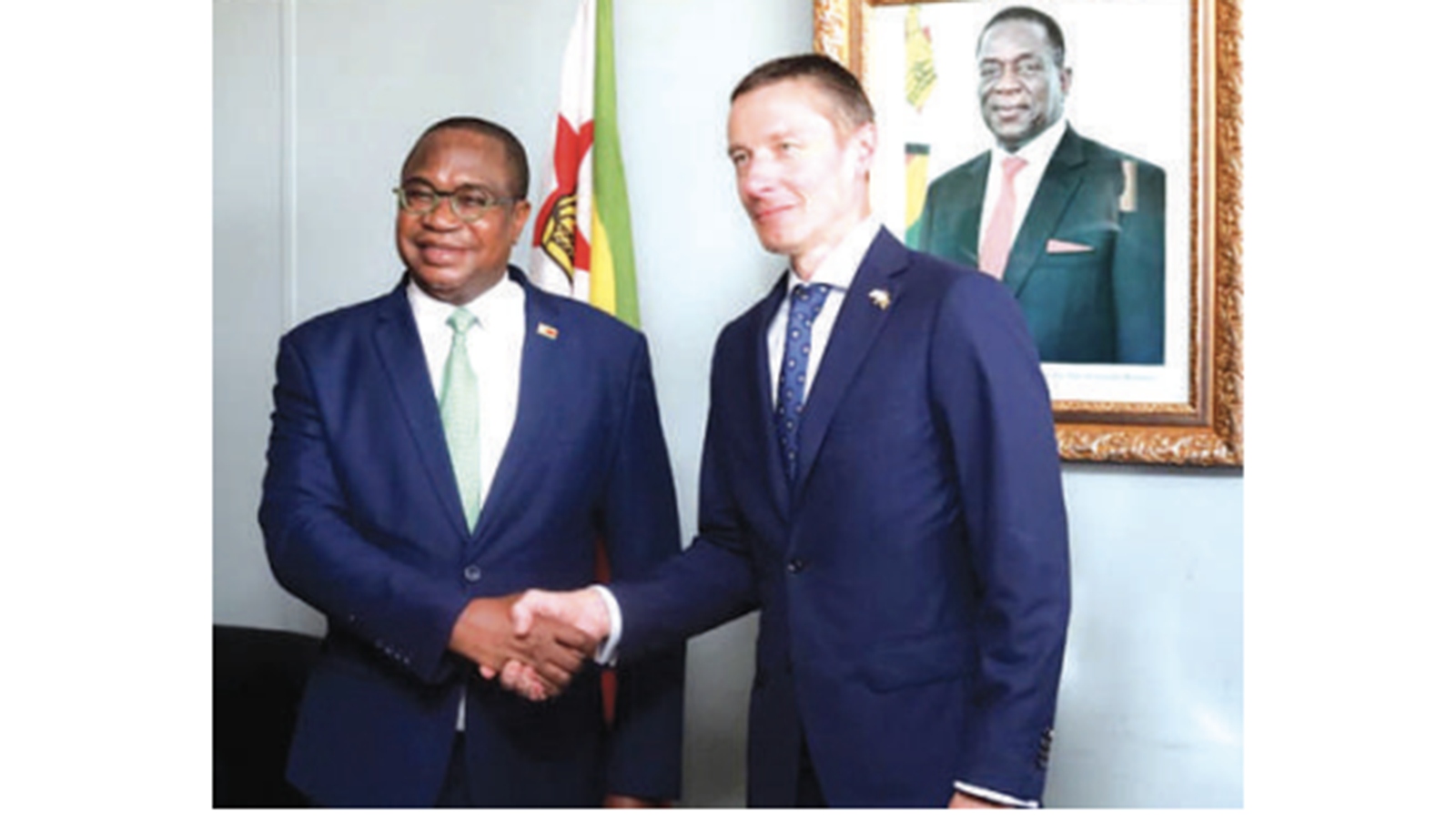
THE Government and a team from the International Monetary Fund on Friday announced the agreement of a Staff Monitored Programme, which is viewed as central to building a credible reform track record and advancing dialogue on arrears clearance and debt restructuring under the Structured Dialogue Platform.
Below we unpack what a Staff Monitored Programme is and how it could benefit Zimbabwe.
*********
What is an IMF Staff Monitored Programme (SMP)?
An IMF Staff Monitored Programme (SMP) is an informal agreement between a country’s authorities and the IMF staff to monitor the implementation of the country’s economic reform programme. It is not backed by IMF financial support or subject to formal approval by the IMF Executive Board.
So, it is a structured diagnostic and monitoring framework with three key characteristics:
- Informal and non-financial: No IMF loans are disbursed. It is a voluntary, cooperative arrangement focused on policy design and track record.
- Focused on track record: Its primary goal is to help a country establish a credible track record of implementing sound economic policies and reforms.
- A stepping stone: A successfully implemented SMP signals to the international community (other lenders, investors, donors) that the country is serious about reform, paving the way for future formal IMF-supported financial arrangements (like an Extended Credit Facility) and debt relief.
______________
How could an SMP benefit Zimbabwe?
For Zimbabwe, which has been unable to access IMF lending due to arrears on its existing debt and a lack of a sustained reform track record, a well-implemented SMP could offer several critical benefits:
- Credibility and confidence-building: It would provide an independent, internationally recognised seal of approval on the Government’s reform agenda. This could help rebuild trust with the international community, which is crucial for investment and debt resolution.
- Policy discipline and technical guidance: The SMP process involves regular IMF staff reviews and assessments. This creates a structured framework for policy discipline and gives the Government access to IMF technical expertise to design more effective reforms in areas like fiscal management, monetary policy and governance.
- Catalyst for debt resolution and arrears clearance: A successful SMP is often a prerequisite for moving forward with other comprehensive debt restructuring deals. It demonstrates to creditors (like the Paris Club, World Bank, AfDB) that Zimbabwe is committed to using any future debt relief or new financing responsibly.
- Unlocking other financial flows: With an IMF-monitored reform plan in place, other multilateral institutions (World Bank, AfDB) and bilateral partners may be more willing to resume budgetary support and project financing. It also sends a positive signal to potential investors.
- Domestic macroeconomic stability: The reforms typically monitored under an SMP — such as controlling deficit financing, stabilising the currency and reforming State-owned enterprises — are aimed directly at curbing hyperinflation, restoring currency stability and fostering growth.
Examples of countries that successfully embarked on an SMP
Several countries have used SMPs as a bridge to more stable economic footing and eventual formal IMF support.
- Rwanda (post-1994 genocide):
o Context: After the devastating genocide, Rwanda’s institutions and economy were in ruins, with massive debt arrears.
o SMP Role: Rwanda embarked on an SMP in the late 1990s to demonstrate its commitment to reform despite fragile post-conflict conditions.
o Outcome: The successful track record under the SMP was instrumental in Rwanda qualifying for the HIPC Initiative in 2000-2005, receiving massive debt relief. This laid the foundation for its remarkable period of growth and stability, later supported by formal IMF programmes.
- Mozambique (Early 2000s):
o Context: Mozambique had completed the HIPC process but needed to build a track record for a new Poverty Reduction and Growth Facility (PRGF) with the IMF.
o SMP role: It implemented an SMP from 2002-2004 to establish credibility in managing its post-HIPC finances and maintaining reform momentum.
o Outcome: The successful SMP led directly to the approval of a new three-year PRGF in 2004, providing financial support and anchoring continued economic reforms.
- Myanmar (2012-2013):
o Context: Emerging from decades of isolation, Myanmar had limited institutional capacity and needed to re-engage with the international financial system.
o SMP role: The 2012-2013 SMP helped the authorities modernise economic institutions (like introducing a managed float for the currency) and establish basic policy frameworks.
o Outcome: This successful re-engagement paved the way for the clearance of its arrears to the World Bank and ADB in 2013 and opened doors for significant development financing.
- Sudan (2019-2020):
o Context: Saddled with enormous debt arrears and excluded from the global financial system, Sudan’s transitional government needed a path to debt relief.
o SMP role: The 2019-2020 SMP was a critical first step. It focused on difficult reforms like removing costly fuel subsidies and reforming the exchange rate system.
o Outcome: The SMP’s completion was a key requirement for Sudan to secure the “decision point” under the HIPC Initiative in June 2021, setting it on the path to eventual debt forgiveness.
Conclusion for Zimbabwe
For Zimbabwe, an SMP represents a practical and necessary first step out of its current cycle of arrears, limited credit and macroeconomic instability. The examples show that success is not about immediate financial injection but about building a verifiable record of reform. This record becomes the country’s strongest currency for negotiating debt relief, attracting development partners and ultimately securing the large-scale financial support needed for sustainable recovery. The critical factor for success, as seen in other cases, is sustained and unwavering political commitment to often difficult reforms.