Online Reporter
Fungai Lupande
ZIMBABWE’s media sector has been urged to move beyond lamenting market shrinkage and capitalise on new funding mechanisms and policy reforms to strengthen local journalism.
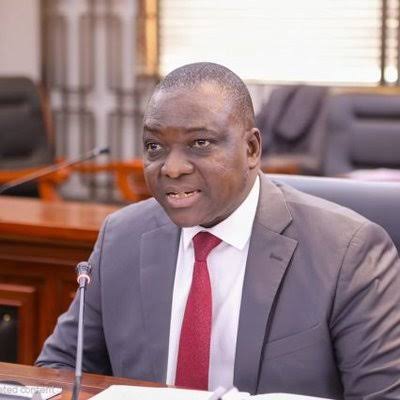
Speaking at a commemoration of World Press Freedom Day in Harare yesterday the director of International Communication Services in the Ministry of Information, Publicity, and Broadcasting Services Mr Richard Mahomva, said the event coincides with the launch of the Zimbabwe Media Policy today.
He applauded the Government’s efforts to liberalise the media space, citing the repeal of the Access to Information and Protection of Privacy Act (AIPPA) and the licensing of new radio and TV stations.
Mr Mahomva said the reforms aim to broaden diversity and access within the media landscape.
The event also saw the launch of the Zimbabwe Independent Journalism Fund.
“These developments aren’t just symbolic, but strategic steps to ensure that local media is not only free, but also financially viable,” Mr Mahomva said.
He added that funding, whether local or international, is always a channel for soft power. Mr Mahomva called for vigilance in utilising financial support, urging local players to align their work with national interests and public service.
“For years, media stakeholders demanded more freedom and plurality. That space is now open. What remains is for the media to occupy it meaningfully, sustainably, and responsibly,” he said.
Mr Mahomva also touched on artificial intelligence (AI), press freedom and Afrocentric narratives.
“Let’s go beyond complaints and seize the opportunities now available,” he said.
The Swedish Government reaffirmed its commitment to supporting media freedom in Zimbabwe.
Mr Dag Sundelin, the head of development cooperation and deputy head of mission at the Swedish Embassy in Harare, said while Sweden is proud to provide funding for media initiatives, financial support is only one aspect of a deeper strategic relationship.
“Funding is important, but it’s never just about the money. Our true investment lies in partnerships rooted in shared values, such as freedom of expression, independent journalism, and democratic governance,” he said.
This year’s theme for World Press Freedom Day, “Reporting in the Brave New World,” prompted reflections on the growing influence of artificial intelligence in the global media landscape.
Mr Sundelin noted that while AI presents transformative possibilities, it also raises complex questions regarding truth, ethics, and information integrity.
“It is a new world that demands courage from all of us. The challenges we face are not always visible, and discerning the truth is becoming increasingly difficult,” he said.
Through local partnerships, Sweden has supported safety training, legal aid, and advocacy for improved working conditions for journalists.
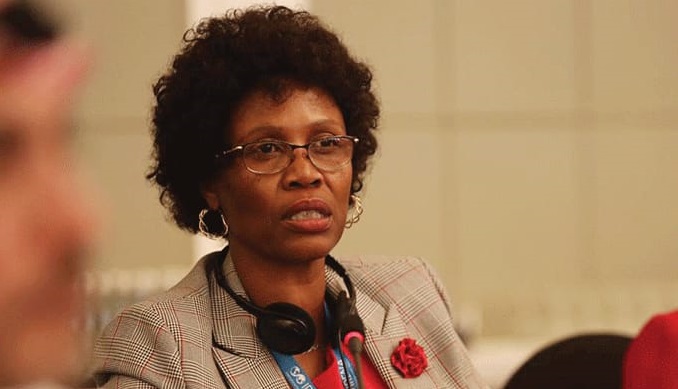
Ms Simbiso Marimbe, a representative from International Media Support (IMS), applauded the launch of Zimbabwe’s National Media Policy.
She said IMS works in more than 30 countries across four continents to promote access to information, press freedom, quality journalism, and the safety of journalists.
“Our commitment is to uphold the principles of freedom of the press, which are the lifeblood of democracy, transparency, and accountability,” Ms Marimbe said.
“The work of a free press is crucial in holding power accountable and supporting national development.”
Ms Marimbe added that emerging technologies like AI are reshaping journalism, media operations, and press freedom.
“AI has the potential to significantly enhance press freedom in Zimbabwe by providing tools that improve investigative reporting, content creation, and fact-checking,” she said.
“AI can help journalists quickly access and analyse large data sets and play a vital role in addressing gender barriers in the media sector.”
Welcoming attendees, Perfect Hlongwane, secretary general of the Zimbabwe Union of Journalists (ZUJ), said the event was a crucial moment for sustained engagement on media freedoms, ethics, and sustainability.
“We must deepen our collective resolve to protect and strengthen the media space in our country,” he said.