Chronicle Editor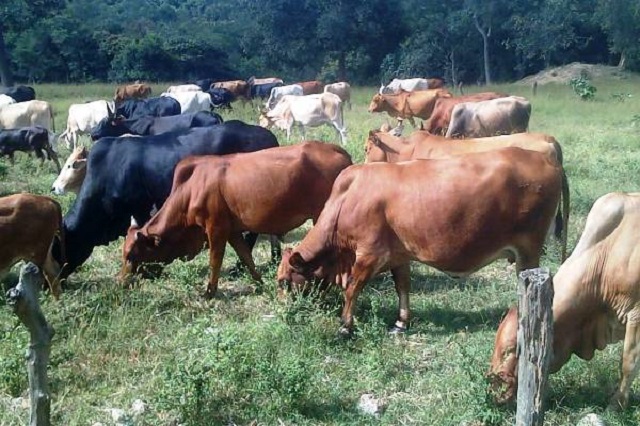
Mhlupheki Dube, Farming issues
MORE often than not I get calls and text messages from livestock farmers across the country and occasionally across borders, consulting on a thing or two about their animals.
In most cases the consultation is usually on urgent basis because something has happened to the animal and it needs immediate intervention.
Cases are also mostly of a wide variety but they tend to be about a recumbent animal which can no longer rise on its own; uterine prolapse issues, retained placenta, a calf failing to nurse and dystocia cases.
I am more than happy to assist as much as I can but I seriously object to the tendency by farmers to replace their local veterinary officer or Agritex officer with me. Your local extension officers should be your first point of consulting then I can augment their efforts if you think there is a need to.
These are officers on the ground who can even come and assess your situation physically and render help practically fully informed by what they have seen with their own eyes.
Admittedly they are not always close by because of the size of the geographical areas they cover but in cases where they are close or we have means to go and pick them up, let’s do that as our first line of intervention.
I am also aware that some of the extension officers may not be very experienced and hence farmers find it frustrating to consult a person who clearly knows less than you do, but some of them are very experienced and they can help you.
What I am revolting against, is the attitude of some livestock farmers who have an outright contempt and disdain of extension workers. I have worked extensively in the development sector and directly with farmers and I know the behaviour of some livestock farmers.
One such behaviour is unmitigated pride and self-importance and this is demonstrated by their unwillingness to partake in trainings or any such activities that involve farmers which are usually called by extension officers and development practitioners.
As a result, these farmers tend to miss out on very beneficial trainings and activities on the ground. My counsel to smallholder livestock farmers, is to work with their extension officers even though you have access to other service providers.
Imagine how difficult it is to try and direct a farmer via WhatsApp how to help a dystocia case.
It’s almost impossible yet your local VET would come and work with you practically explain the procedure while you also observe how it is done.
My immediate advice to farmers when I get consultation on issues that need practical boots on the ground, is please go to your nearest extension officer. Then I can proffer a few suggestions on what to look out for and so on.
Please let us work with our extension officers, it also helps them to gain experience and exposure as they deal with different cases now and again. I am fully aware that there is natural pride among livestock farmers which makes them look down upon people with no livestock or with far less than they have.
It’s a livestock thing I understand it fully well. You want to experience it go to where big players in the livestock industry are present, such as auctions. The pecking order there will tell where your place is! However, this pride should not be allowed to stand on the way of seeking help and in some cases even helping others.
As big time livestock players in our communities, let’s attend local trainings and share our vast experience, some farmers could be struggling with something which you encountered a long time ago and you have the formula.
You can be the useful resource that your community is desperately looking for. Now allow me to wish readers of this column and livestock farmers across the world a Merry Christmas and a less burdensome 2021. Uyabonga umntakaMaKhumalo.
Feedback [email protected] cell 0772851275



 Online Reporter