


 admin
admin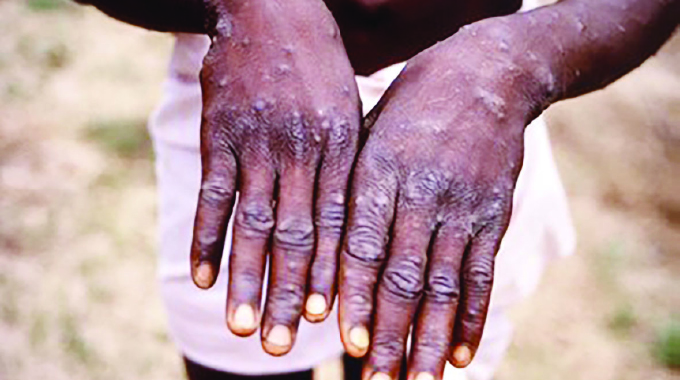
Mpox (monkeypox) is an infectious disease caused by the monkeypox virus. It can cause a painful rash, enlarged lymph nodes and fever. Most people fully recover, but some get very sick.
Anyone can get mpox. It spreads from contact with infected:
*persons, through touch, kissing, or sex
*animals, when hunting, skinning, or cooking them
*materials, such as contaminated sheets, clothes or needles
*pregnant persons, who may pass the virus on to their unborn baby
If you have mpox:
*Tell anyone you have been close to recently
*Stay at home until all scabs fall off and a new layer of skin forms
*Cover lesions and wear a well-fitting mask when around other people
Symptoms
Mpox causes signs and symptoms which usually begin within a week but can start 1–21 days after exposure. Symptoms typically last 2–4 weeks but may last longer in someone with a weakened immune system.
Common symptoms of mpox are:
*rash
*fever
*sore throat
*headache
*muscle aches
*back pain
*low energy
*swollen lymph nodes
For some people, the first symptom of mpox is a rash, while others may have different symptoms first.
The rash begins as a flat sore which develops into a blister filled with liquid and may be itchy or painful. As the rash heals, the lesions dry up, crust over and fall off.
Some people may have one or a few skin lesions and others have hundreds or more. These can appear anywhere on the body such as the:
*palms of hands and soles of feet
*face, mouth and throat
*groin and genital areas
Some people also have painful swelling of their rectum or pain and difficulty when peeing.
People with mpox are infectious and can pass the disease on to others until all sores have healed and a new layer of skin has formed.
Children, pregnant people and people with weak immune systems are at risk for complications from mpox.
Treatment
The goal of treating mpox is to take care of the rash, manage pain and prevent complications. Early and supportive care is important to help manage symptoms and avoid further problems – WHO.



 dyton mupawaenda
 Online Reporter