admin
admin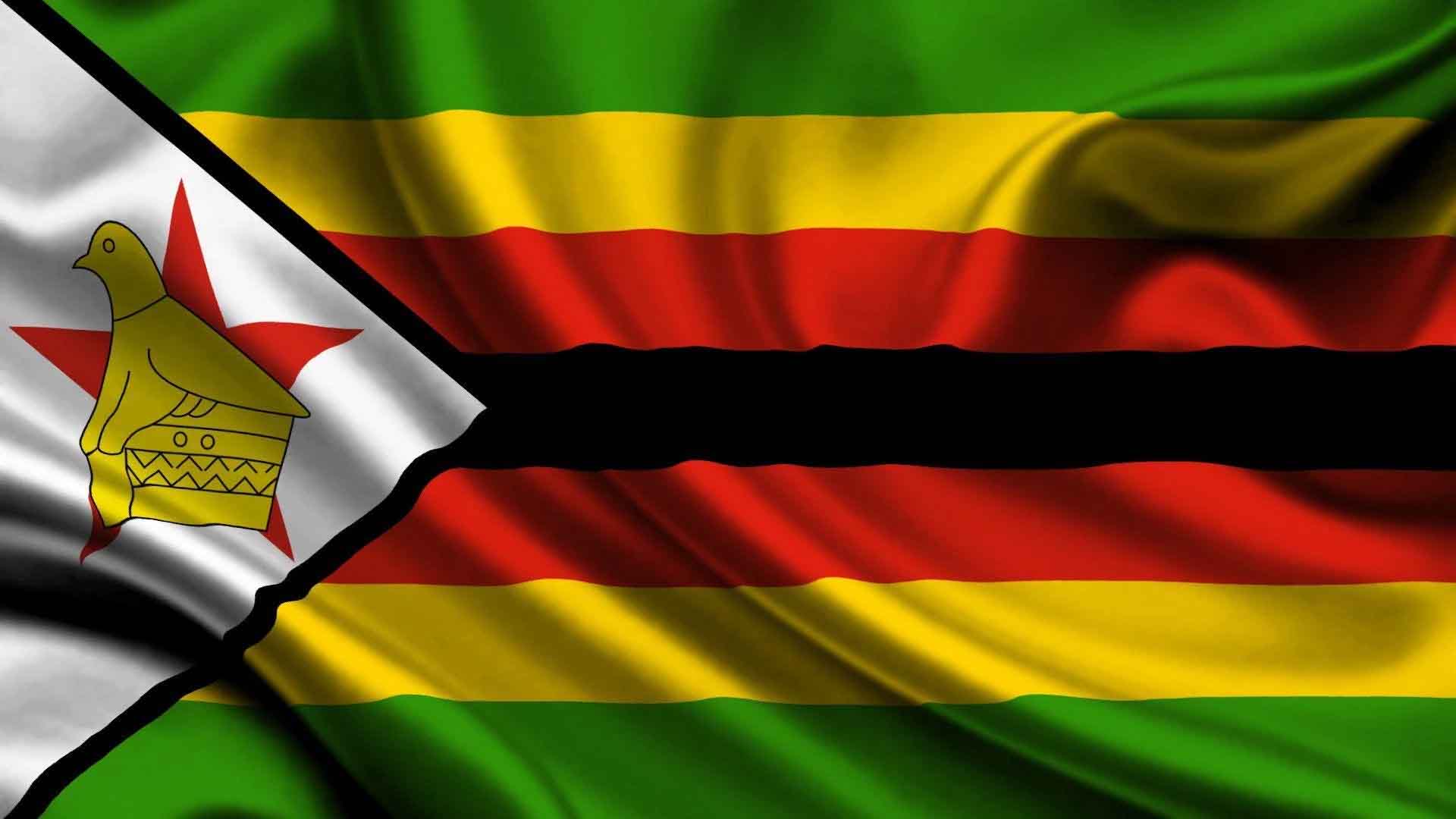
Friday Lessons
Location: Landlocked in Southern Africa bordered by Zambia in the north, South Africa in the south, Mozambique in the east and Botswana in the west.
Population: 15 178 957 (2022 Population and Housing Census, 2022).
Capital city: Harare.
Provinces and population distribution:
Harare: 2 427 231;
Bulawayo: 665 542;
Manicaland: 2 037 703;
Midlands: 1 811 905;
Mashonaland East: 1 731 173;
Masvingo: 1 638 528;
Mashonaland Central: 1 384 891;
Matabeleland North: 827 645;
Matabeleland South: 760 345:
Female population: 7 891 035;
Male population: 7 287 922:
Area: 390 757 sq km
Land: 386 670 sq km
Water: 3 910 sq km (1 percent)
Highest point: Mt Inyangani (2 592 metres.) along the eastern border with Mozambique.
Lowest Point: Junction of the Runde and Save Rivers at 162 m.
Monetary unit: Zimbabwe dollar (ZWL).
Official languages: Since the adoption of the 2013 Constitution, Zimbabwe has 16 official languages, namely Chewa, Chibarwe, English, Kalanga, Koisan, Nambya, Ndau, Ndebele, Shangani, Shona, sign language, Sotho, Tonga, Tswana, Venda, and Xhosa.
Literacy rate: According to the Zimbabwe National Statistics Agency (ZimStats), Zimbabwe has had a literacy rate of above 90 percent since 1992. Adult literacy rate is the percentage of people aged 15 and above who can read and write.
International dialling code: +263
Internet domain: .zw
Head of State: President Emmerson Mnangagwa
Independence: 18 April 1980
Constitution: Zimbabwe’s new constitution was approved in 2030 by an overwhelming majority in a referendum.
The Constitution is the supreme law of Zimbabwe and any law, practice, custom or conduct inconsistent with it is invalid.
National holidays: Independence Day (18 April);
New Year’s Day: 1 January;
National Youth Day: 21 February;
Independence Day: 18 April;
Workers’ Day: 1 May;
Africa Day: 25 May;
Heroes Day: Second Monday of August;
Defence Forces Day: Second Tuesday of August;
Unity Day: 22 December;
Boxing Day: 26 December;
and all major Christian holidays such as Easter and Christmas.
Flag description: Seven equal horizontal bands of green, yellow, red, black, red, yellow, and green with a white isosceles triangle edged in black with its base on the hoist side; a yellow Zimbabwe bird is superimposed on a red five-pointed star in the centre of the triangle.
The white triangle is a symbol for peace.
Green symbolises agriculture.
Yellow symbolises mineral wealth.
Red stands for the blood shed to achieve Zimbabwe’s independence.
Black indicates the heritage, race and ethnicity of the black majority.
The golden bird, known as the Great Zimbabwe Bird (Hungwe) is the national symbol of Zimbabwe.
It exemplifies the strong bond that ancestral humans had with animals, nature and spiritual guides and it is treated with a high level of importance and respect.
Red Star represents the nation’s aspirations. — issafrica.org/The Manica Post.


 Online Reporter