admin
admin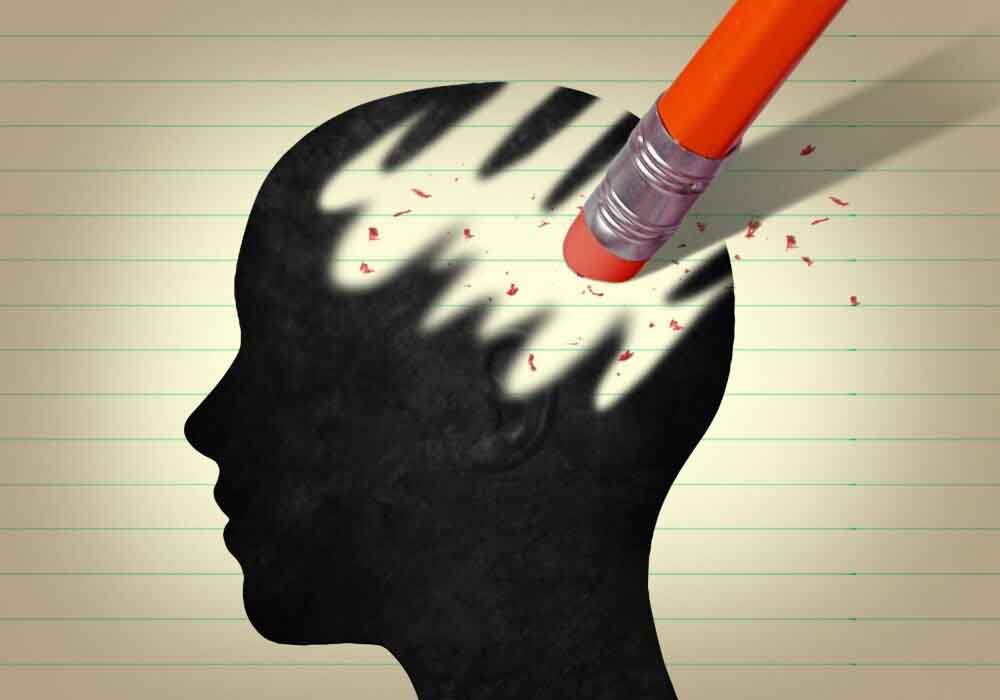
Dr Mazvita Machinga
Mental Health Issues
When was the last time you set down your keys and couldn’t remember where you put them?
Do you find yourself wondering, “Where did I put my phone?” or “What time was that appointment?” or you are saying, “No, I forgot to pick the detergent from the supermarket”.
If it’s just forgetting here and there it’s normal.
But if you’re starting to worry about your memory, then you need to know about Mild Cognitive Impairment (MCI).
MCI is a term used to describe a collection of memory problems.
People with MCI may be aware that their memory or mental function has “slipped.”
Some of the signs include difficulty in:
remembering appointments, recent events, and conversations.
finding the right words.
paying attention and keeping track of tasks or conversations.
keeping track of possessions.
planning and making decisions.
doing complex tasks such as paying bills.
It’s common for family and friends to notice these changes and start to also worry.
And if you’re over 50, memory loss can frustrate you to no end!
That’s because memory loss may either continue to annoy you, you may revert back to normal cognitive function, or you may progress into full-blown dementia.
Sadly, some people demonstrating memory loss that is now impacting their daily life may experience progression into dementia each year.
Whether MCI takes a turn for the worse or not depends on the individual and the conditions underlying MCI.
Sometimes, the problem can be treated, and cognition improves. Other times, the problem is a brain disorder such as Alzheimer’s disease, which cannot be reversed.
Causes:
Stress, anxiety, or depression can cause forgetfulness, confusion, difficulty concentrating and other problems that disrupt daily activities.
Chronic alcoholism can seriously impair mental abilities. Alcohol can also cause memory loss by interacting with medications.
Also, many medical problems can cause memory loss or other dementia-like symptoms e.g., Hypothyroidism, an underactive thyroid gland, brain diseases such as a tumour or infection in the brain, sleep apnea and minor head trauma or injury.
The health experts at Harvard Medical School have published latest breakthroughs in MCI and have identified a full list of symptoms, risk factors, reversible causes, diagnosis, treatment, and more!
MCI often involves the same types of brain changes seen in Alzheimer’s disease or other forms of dementia.
So, is there anything that can be done to improve the situation?
Yes, there is a lot.
Try to have adequate sleep.
Avoid stimulants like tea or coffee one or two hours before bed.
Stop taking alcohol and any illicit substances.
Stay socially active – by trying to connect with family, friends, and other healthy social networks.
If you attend a place of worship, continue to go regularly, and participate regularly.
Regular physical activities, and intellectual stimulation through games and other activities helps slow cognitive decline.
Small changes may really add up.
Making this part of your routine could help you function better.
Above all, seek appropriate help from local resources and even support groups.
Dr Mazvita Machinga is a qualified psychotherapist and mental health consultant in Mutare. For any professional counseling, psychotherapy and substance abuse recovery services call 0771 754519, Toll free 08080482



 Online Reporter