

 Online Reporter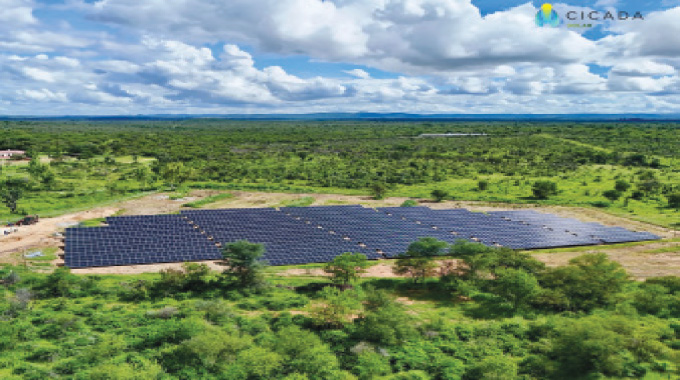
Sikhumbuzo Moyo, Senior Zimpapers Writer
FALCON College in Esigodini, Umzingwane District, Matabeleland South, is set to become energy self-sufficient following the installation and commissioning of a one-megawatt solar power plant, marking a significant step towards sustainable and cost-effective energy use in the education sector.
According to the school’s latest in-house magazine, the solar project was commissioned in June last year and is awaiting final technical adjustments to allow the institution to draw power directly from the facility.
“At present, the energy is being directed back into the national grid until adjustments are made to divert specific lines onto the campus system,” the college said in its third-term publication.
Once fully operational, the solar plant will provide Falcon College with a reliable and uninterrupted power supply to support its classrooms, boarding facilities and extensive sporting infrastructure, reducing exposure to power cuts and escalating electricity costs.
The shift to solar energy also underlines the institution’s commitment to environmental sustainability by harnessing renewable energy and reducing reliance on conventional electricity sources, which are increasingly under strain due to rising national demand.
The Falcon College project comes at a time when the Government is intensifying efforts to attract private investment into the renewable energy sector, particularly solar, as electricity demand continues to grow across households, industries and mining operations.
Zimbabwe is accelerating its transition towards renewable energy, with the Government prioritising rural electrification, policy reforms and private sector participation to unlock the country’s vast solar potential.
Speaking recently at the Solar and Storage 2025 Programme, Deputy Director in the Ministry of Energy and Power Development, Mr Isaac Chiridza, said renewable energy had become central to Zimbabwe’s long-term development agenda.
He noted that renewable energy is not just an environmental necessity, but a pathway to sustainable development, economic stability and energy independence.
Mr Chiridza said the urgency to strengthen the country’s renewable energy transition had never been greater, noting that collective efforts by the Government, institutions and investors were critical to reshaping Zimbabwe’s energy landscape.
“At the core of our energy transition lies the imperative to ensure that every Zimbabwean has access to electricity. Government has committed to electrifying 1,2 million households by 2030, acknowledging that energy access is fundamental to economic development and an improved quality of life,” he said.
Zimbabwe launched a dedicated renewable energy policy in 2012 to address persistent power shortages and expand electricity access, particularly in rural communities.
Mr Chiridza said the policy framework had stimulated growth in distributed renewable technologies and laid the foundation for a vibrant solar industry. Among the flagship initiatives is the Solar Water Heating Programme, which targets the installation of at least 250 000 solar water heater units nationwide to reduce electricity consumption through improved thermal efficiency.




 Bongani Ndlovu