Judith Phiri
Zimpapers Business Hub
THE Ministry of Lands, Agriculture, Fisheries, Water and Rural Development has hailed the United Nations’ Food and Agriculture Organisation (FAO) for collaborating with the Government in the implementation of a project that is now propelling Zimbabwe’s progress towards its target of a US$1 billion fish economy.
For decades, fish farming in Zimbabwe was defined by uncertainty and chance.
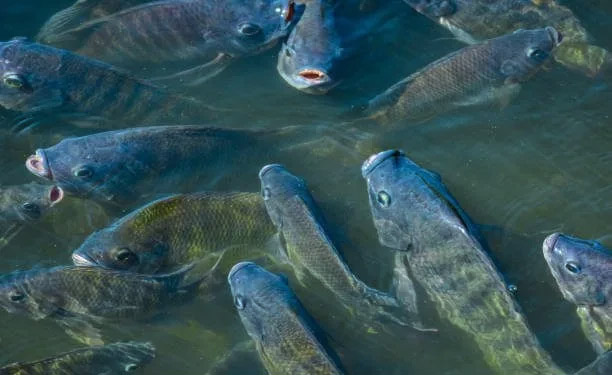
Smallholder farmers across the country often relied on “wild” fingerlings harvested from rivers or unverified water sources.
This breeding material offered no guarantee of growth or profit.
That era of “fishing by chance” is rapidly making way for a future of “farming by design.”
Speaking at the end-of-project workshop for the technical cooperation programme (TCP) underway in Masvingo, the ministry’s director for the Fisheries and Aquaculture Resources Production Department (FARD), under the Agricultural and Rural Development Services directorate, Mr Milton Tinashe Makumbe, hailed the transformative impact of the two-year partnership between the Government and FAO.
“The project was born out of a stark reality of a 2021 Tilapia Value Chain analysis that revealed that an overwhelming 80 percent of fingerlings used in Zimbabwe originated from unreliable water bodies.
“This shortage of quality seed stood as the single greatest barrier to the aquaculture sector’s growth, posing significant risks to both biosecurity and productivity. We set out with a clear mandate, to decentralise supply and ensure our farmers have reliable access to superior genetics,” he said.