admin
admin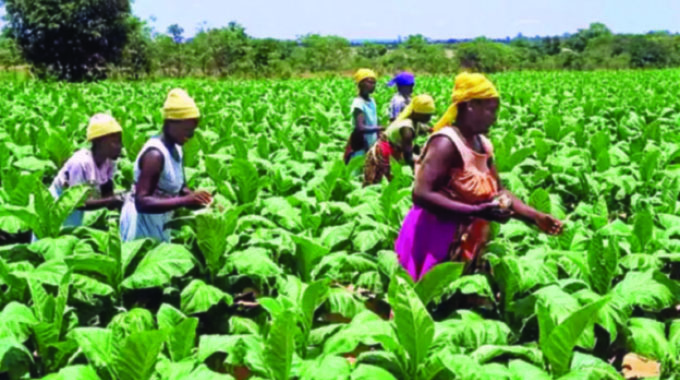
Elitta Chikwati Agriculture Reporter
Farmers have appealed to Government to come up with alternative ways of funding the 2013/14 summer cropping season. This follows failure by many farmers to access funding from the US$720 million which was set aside by banks for this season, greatly hampering farming preparations. Inputs such as seed, fertiliser and chemicals are readily available on the market although sales have remained depressed.
Zimbabwe Seed Trade Association chairman, Mr Walter Chigodora said the price of seed has not changed this season.
“Seed houses started distributing seed nearer to farmers by early September. The uptake of seed has been slow mainly due to lack of funds and no early rains.
“The main issue affecting farmers is lack of funding. Farmers know what they need and the choice of seed maize varieties but cash shortages are affecting them,” he said.
Mr Chigodora said the situation could improve when farmers become less dependent on handouts and fund their own inputs.
“They will then know how to budget for their inputs, as in the past. Prompt payment by produce buyers will also improve farmer resources to buy their own seed and fertilisers,” he said.
Most farmers do not have the required collateral and therefore could not access the fund.
A2 farmers are the worst affected as they are not benefiting from the Government’s inputs support schemes.
The Government input programme is supporting communal, A1 and small scale farmers while A2 farmers have to source the own funding from banks.
Zimbabwe Commercial Farmers Union president, Mr Wonder Chabikwa said although farmers were concentrating on land preparations, the level of preparedness is lower than in the previous years.
“By now most farmers should have been through with their land preparations and looking forward to planting but at the moment farmers are beginning to plough their lands. Only a few well established farmers are managing,” he said.
Mr Chabikwa said only 4 percent of the bank’s funding was channelled towards maize production this season.
“The bulk of the money is going to tobacco.
“Farmers are having difficulties accessing the loans from banks since the institutions have not reviewed their requirements,” he said.
Mr Chabikwa said some farmers owed banks money as they could not pay back their debts as their crops were affected by last season’s drought and therefore could not access funding this season.
Zimbabwe Farmers Union president, Mr Berean Mukwende said some farmers paid off their debts last season but were still failing to access loans as the banks have tightened the requirements.
“The banks require collateral. The farmers should at least have a house with title deeds in an urban area and most farmers do not have title deeds while others do not own such property,” he said.
Bankers Association of Zimbabwe chief executive, Mr Sij Biyam said banks had individual requirements although most required collateral. He said banks would want a guarantee that a farmer will pay back the loans.
“The requirements differ with individual banks depending on their sources of money,” he said.
An agriculture economist who declined to be identified said maize farmers were having difficulties as the crop was highly risky.
He said tobacco farmers could sell their crop and pay their debts through the stop order facility and this was different from maize where the producer price was low while some farmers would take long before they get their money from the Grain Marketing Board.
The economist urged A2 farmers to work hard and ensure they fund their own projects.
He said most of them qualified as they had indicated they had own resources and financing and therefore qualified for credit from banks.
The economist said Government should only fund the communal, A1 and small scale that were facing challenges.
Deputy Minister of Agriculture, Mechanisation and Irrigation Development responsible for crops, Mr David Marapira said contract farming was another alternative for agricultural funding.
“I am advising farmers to venture into contract farming as they are assured of timely inputs and a ready market,” he said.
The unavailability of inputs funding and rainfall at the appropriate period has resulted in low yields greatly affecting the national food security.



 Online Reporter