Online Reporter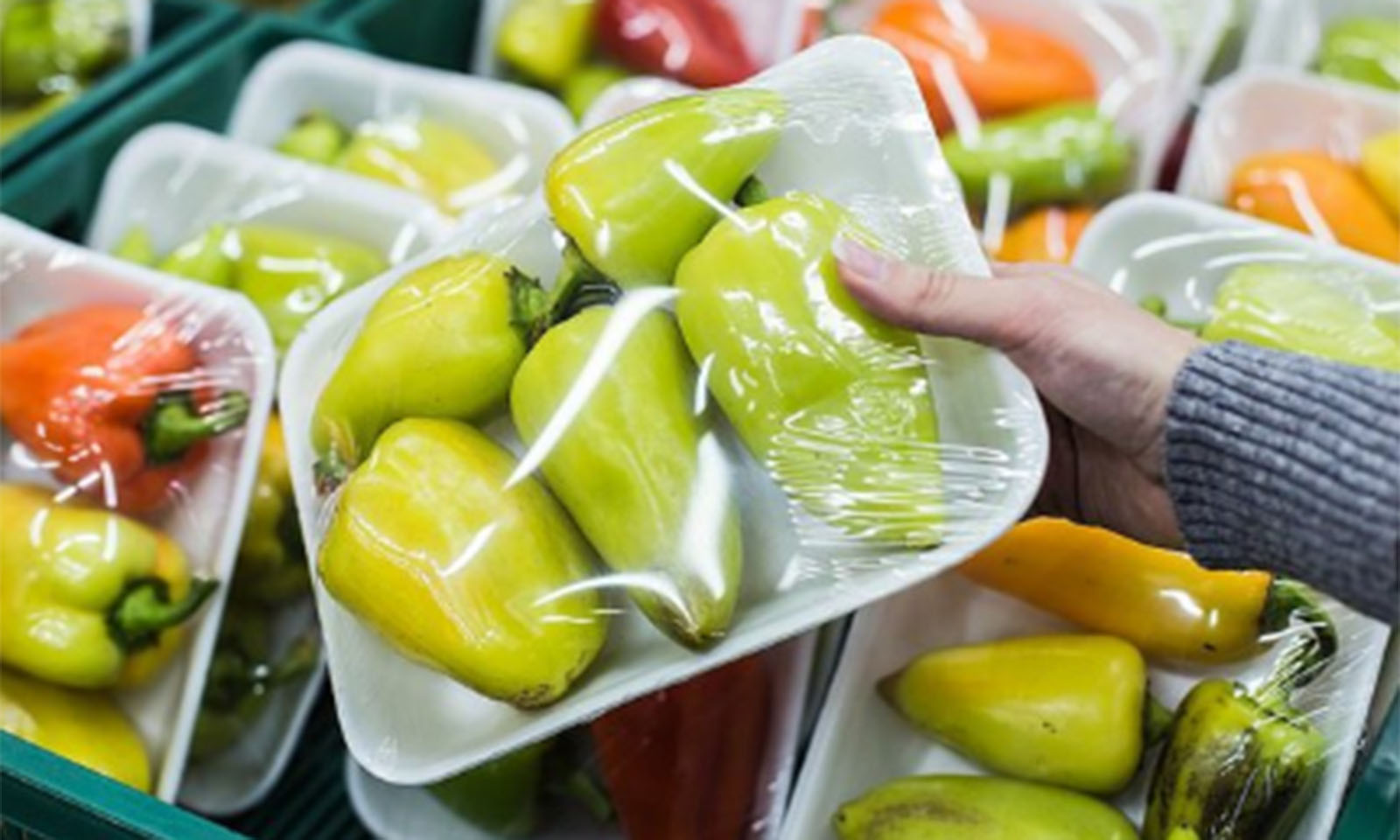
Word From The Market
Tina Nleya
IN today’s fast-paced and competitive agri-marketplace, producing quality crops is no longer enough.
How those crops are packaged can determine whether they reach premium markets or remain unsold.
As both local and export buyers increasingly demand product consistency, visual appeal and sustainability, packaging has emerged as a powerful tool for market access and value creation.
For Zimbabwean farmers, especially those eyeing regional and international markets, the packaging of fresh produce could be the next frontier of competitiveness.
Why packaging matters
Packaging plays several crucial roles beyond just containing a product.
It protects produce during handling and transit, reducing post-harvest losses.
It also enhances shelf life, especially for perishable crops like blueberries, tomatoes or leafy greens. Further, it tells the product story, including traceability, origin and compliance with standards.
Most importantly, it attracts consumers, especially in retail environments where buying decisions are made in seconds.
Packaging also demonstrates sustainability, a growing priority in European and Middle Eastern markets.
So, packaging is increasingly becoming a strategic marketing tool, not just a cost.
Case study 1: Cartonpack Group’s BK1 and FMKX6 cardboard tray solutions
Designed entirely in recyclable single-material R-PET, BK1 was created to combine the reduction of mixed packaging with maximum usability through the following features:
- Resealable top seal — the transparent film opens and closes with a single gesture, extending the shelf life of the pre-portioned product;
- Heart-shaped dispensing hole — acts as an ergonomic “spout” for pouring dried fruit, berries or snack vegetables without removing the film. This detail intrigues consumers and encourages on-the-go consumption;
- Line compatibility — the container maintains the same packaging speed as standard trays, allowing large-scale retailers to integrate it without additional investments.
The FMKX6 design employs a flat cardboard and is conceived for cherry tomatoes, although it is also suitable for berries and small fruits. Its features include:
- A long tray with a hinged lid that stays firmly attached to the body of the pack;
- It opens and closes easily, and thanks to the “easy-open” die-cut, it prevents accidental tearing;
- Optional transparent cellulose windows to showcase the colour of the product;
- High-definition printing over the entire surface, ideal for premium branding and QR traceability codes.
These innovations are not just about aesthetics. They influence consumer preference, particularly in Europe, where eco-friendly packaging is becoming a procurement requirement for large retail chains.
For Zimbabwean exporters, particularly horticultural producers, investing in recyclable or compostable packaging could be a passport into higher-value markets.
“Quality upon arrival” key in export markets
Quality upon arrival has become the defining factor in export markets, particularly in blueberry exports.
With more blueberries in the global market, buyers are setting higher expectations: the fruit must arrive firm, flavourful and visually appealing. Packaging plays a direct role in ensuring this.
Innovations such as ventilated clamshells, modified atmosphere packaging and shock-absorbent trays have allowed exporters to guarantee freshness and minimise bruising.
Zimbabwe, now among the top 15 global blueberry exporters, must adopt such practices if it wants to maintain — and grow — its market share. With demand growing in the European Union and Asia, Zimbabwean producers who invest in specialised packaging that ensures freshness on arrival are more likely to secure repeat orders.
The local market is changing too
Even in the domestic market, packaging is influencing buying behaviour. Supermarkets and wholesalers increasingly prefer produce that is pre-packed, branded, barcode-ready, clean and visually consistent. Smallholder farmers supplying informal markets can also differentiate by using simple but clean and attractive packaging. For example, clear biodegradable punnets for cherry tomatoes, paper wraps for herbs or mesh bags for citrus can significantly improve perception and pricing.
Packaging for export
- When preparing for export, farmers and exporters should align with these key packaging principles:
- Durability — Packaging must withstand long-distance transport and temperature changes.
- Compliance — Check with destination countries for packaging regulations (especially around plastic use).
- Traceability — Labels should include producer codes, origin, batch numbers and certifications.
- Sustainability — Use recyclable or compostable materials where possible.
Functionality: Ease of stacking, ventilation and resealing can all improve value.
Packaging is not an afterthought; it is part of the value proposition.
At the Agricultural Marketing Authority (AMA), we are committed to supporting farmers and exporters in adopting packaging solutions that enhance product appeal, extend shelf life, reduce post-harvest losses and improve competitiveness in structured markets.
As part of our drive for sustainable agricultural development, we encourage farmers to engage with packaging solution providers, explore market feedback and make packaging a core part of their branding and marketing strategy. As agriculture becomes increasingly global, farmers who think “inside the box” or, rather, about the box will be better positioned to thrive. Packaging is no longer just a container; it is a communicator, a preserver and a differentiator. Whether you are exporting blueberries or selling onions at Mbare Market, how you present your product matters. Let packaging work for you. Let packaging be your edge.
Tina Nleya is AMA’s marketing and public relations manager. She can be contacted on email: [email protected]. Word From The Market is a column produced by AMA to promote market-driven production.