Online Reporter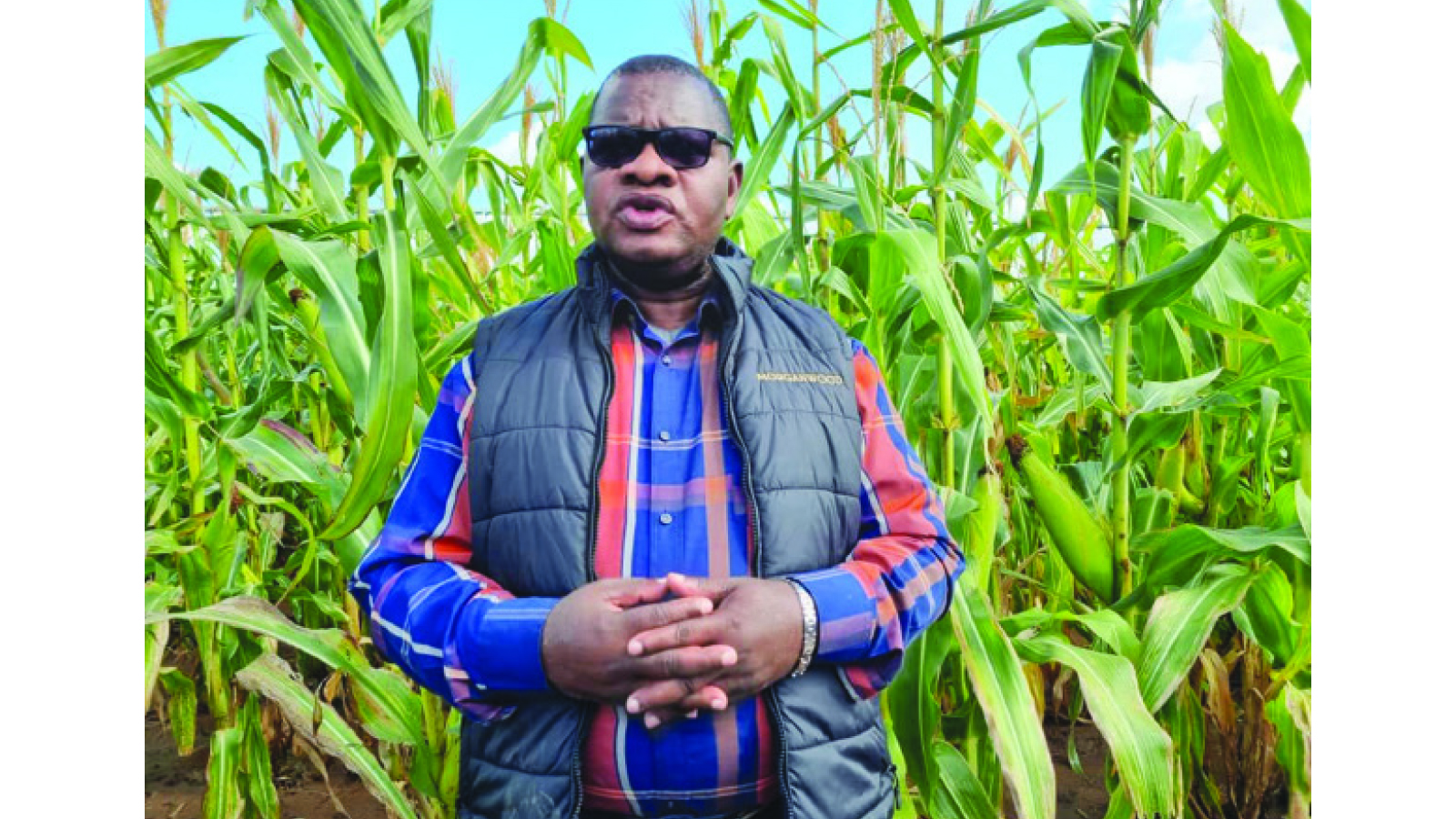
Precious Manomano
Herald Reporter
Zimbabwe has emerged as an inspiration of agricultural success in Africa, showcasing impressive achievements that stand as testimony to the effectiveness of the Second Republic’s policies.
Under the leadership of President Mnangagwa, agriculture has been prioritised, leading to significant advancements that not only shatter previous records, but also challenge naysayers of the Land Reform programme.
Since the advent of the Second Republic, Zimbabwe has consistently surpassed its agricultural targets, most notably exceeding the initial US$8 billion target well ahead of schedule. This remarkable feat prompted a revision of the target to an ambitious US$13,75 billion for the current year, reflecting the country’s robust agricultural growth.
One of the standout successes has been in wheat production, where Zimbabwe has achieved record outputs, positioning itself among the top eight wheat-producing countries in Africa.
Importantly, Zimbabwe is one of only two countries on the continent, alongside Ethiopia, that are self-sufficient in wheat production.
This year, the nation is poised to produce more than 600 000 tonnes of wheat, far exceeding the annual requirement of 360 000 tonnes for staple products like bread and pasta.
Moreover, Zimbabwe has solidified its status as the largest tobacco producer in Africa, and ranks sixth globally, after heavyweights such as China, India, Brazil, the United States and Indonesia.
This year the country has surpassed the annual target of 300million kg by producing 349 million kg compared to 228 million kg delivered during the same period last year.
This achievement underscores the country’s pivotal role in the global tobacco market, especially as Brazil, China, and India account for more than 55 percent of global production without expanding their hectarage.
In addition to tobacco, Zimbabwe has made significant strides in blueberry exports, which soared by 85 percent in 2023, surpassing 5 000 tonnes.
This achievement has secured Zimbabwe’s place among the top 15 global exporters of blueberries, highlighting the sector’s revival and its wide-ranging impacts on the economy.
The 2022-2023 agricultural season saw Zimbabwe produce nearly 2,3 million tonnes of maize, while neighbouring Zambia produced 3.3 million tonnes.
However, Zimbabwe’s continuous improvements indicate a bright future for its agricultural sector. The Government’s commitment to food security is evident as it aims to become a net exporter of agricultural produce, including wheat, tobacco and a variety of horticultural products.
Central to these advancements is the Agriculture Recovery and Growth Plan, initiated in 2020, which has played a crucial role in reversing negative trends in the sector. This strategic plan has not only boosted production, but has also transformed the livelihoods of many farmers across the nation.
In the 2023 growing season, Zimbabwe earned US$1,23 billion from tobacco exports, producing a record 297 million kg of the crop compared to 234 million kg the previous season.
This year, the target has been raised to 320 million kg, surpassing the annual goal of 300 million kg, demonstrating the sector’s ongoing potential.
The Government has also focused on supporting local farmers through various initiatives, ensuring that private sector participation increases.
President Mnangagwa has repeatedly emphasised that the Land Reform Programme was irreversible, a stance bolstered by the success observed on the ground.
The Agriculture and Food Systems Transformation Strategy has been initiated to ensure effective land utilisation, further enhancing production capabilities.
As part of its long-term vision, Government aims to construct 15 high-impact dams by 2027, a move aligned with its goal to transform Zimbabwe into an upper-middle-income economy by 2030.
This initiative is pivotal for accelerating rural industrialisation and enhancing agricultural productivity, as the Government aims to irrigate at least 350 000 hectares to meet the growing demand for increased crop production.
A substantial budget of US$1,1 billion has been allocated for high-impact dam construction, which is progressing well across the country.
This project also includes the establishment of 35 000 boreholes in villages, significantly improving access to clean water, an essential resource for both agriculture and rural communities.
The Government’s dedication to rural industrialisation is evident as it seeks to address water challenges and mitigate the impact of climate change on agriculture, which remains the backbone of the economy. The construction of dams is expected to spur economic growth by creating job opportunities across various sectors, including construction, agriculture, and fisheries.
Furthermore, the Government has set a target of US$3,4 billion for this year, aiming to improve productivity and combat cattle mortality, particularly following the outbreaks of tick-borne diseases that have affected nearly half a million cattle since 2016.
The Livestock Recovery and Growth Plan (2021-2026) guides these ongoing efforts to bolster livestock production and establish a solid foundation for the sector’s growth.
Tobacco Farmers Union Trust vice president, Mr Edward Dune, said Zimbabwe’s agriculture sector was being ushered into a new dawn.
“Our farmers have now acquired the knowledge and skills required to use the land productively and restore Zimbabwe to its former glory in the SADC region.”
He highlighted the Government’s support for farmers, especially those resettled under the Land Reform programme, ensuring that every ward across the country has two extension officers to impart crucial agricultural knowledge.
Zimbabwe Commercial Farmers Union (ZCFU) president, Dr Shadreck Makombe, Zimbabwe’s future was undeniably bright and last season’s production was evidence of this.
“Last season was a great season because everything was in order. Farmers planted on time after getting inputs on time again. Prices of inputs were lowered to an extent that the majority could afford to buy. The season was good, and we hope to have better seasons in the future.”
The Secretary for Lands, Agriculture, Fisheries, Water and Rural Development Professor Obert Jiri, affirmed the Government’s commitment to expanding the agricultural sector.
“Since we started to operationalise the Agriculture Recovery Growth Plan and managed to score 2,7 million tonnes of maize during the 2020-2021 cropping season. We also recorded 375 000 tonnes of wheat in 2022 and scaled up to over 500 000 tonnes last season, so we are flour self-sufficient.”
Zimbabwe’s agricultural sector is experiencing a transformative period marked by significant achievements and strategic initiatives driven by the Second Republic.
With a focus on productivity, food security, and rural development, the country is well on its way to realising its Vision 2030 goals, restoring its status as a leading agricultural powerhouse in the region and beyond.



 Peter Tanyanyiwa