Online Reporter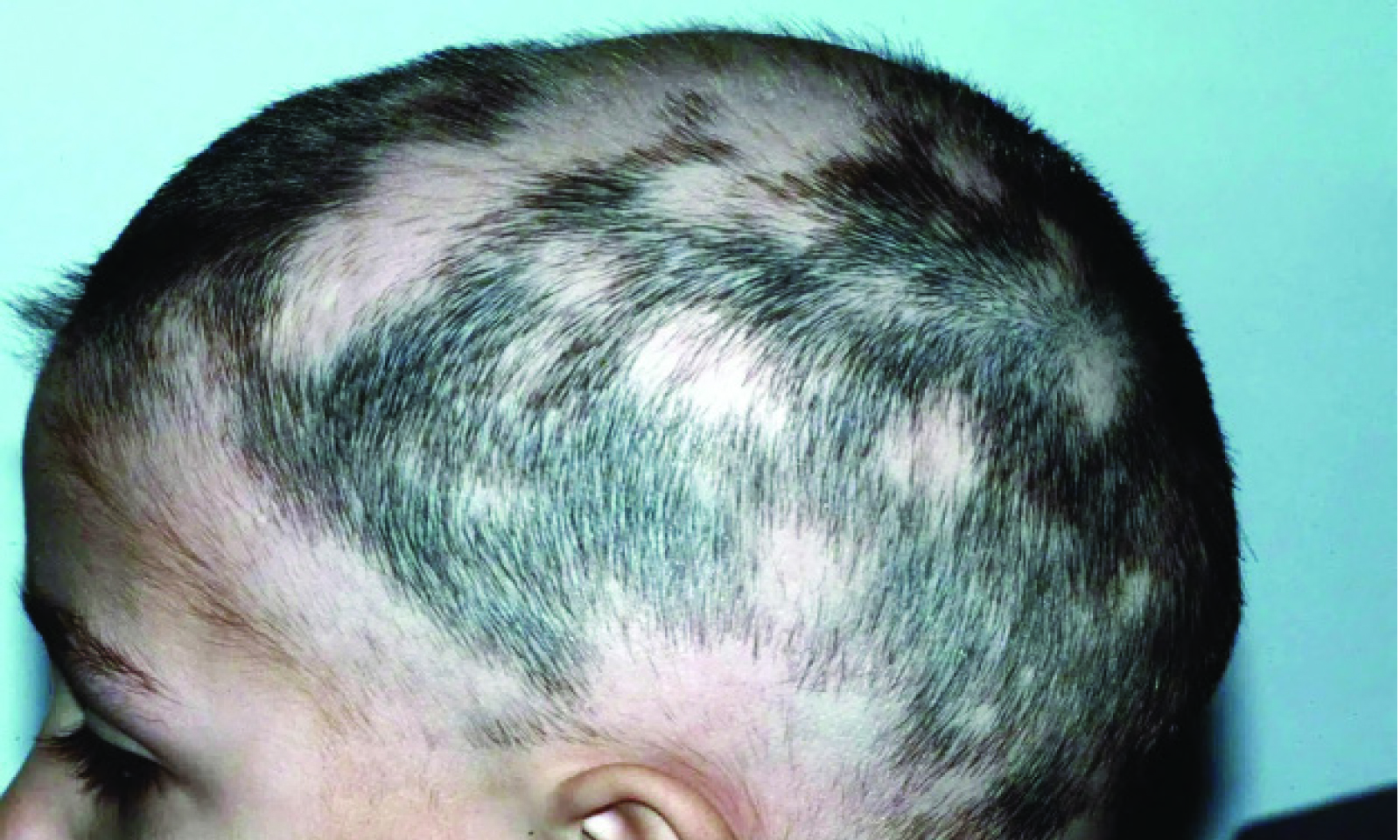
Rumbidzayi Zinyuke
Health Buzz
In a world where hair is closely tied to beauty, identity and confidence, losing it can feel like losing a part of oneself.
For many women in Zimbabwe and across Africa, hair is more than just strands, it is a symbol of culture, pride and womanhood. So when it begins to fall out without warning, in patches or all at once, the experience can be emotionally crushing.
Alopecia areata, is an autoimmune disorder that causes the body’s immune system to mistakenly attack healthy hair follicles. This results in sudden hair loss, usually beginning with small, round bald patches on the scalp.
While some people may only lose a few spots, others may experience more widespread loss, with the condition escalating into complete baldness or even full-body hair loss.
The condition is not new, but it is rarely spoken about. Conversations around hair loss are often hushed, buried beneath wigs, hats and headscarves.
In a world that places heavy value on appearance, the psychological burden of losing hair is immense. Yet, despite its growing prevalence, alopecia remains one of the least understood and least talked-about health conditions affecting women in Zimbabwe today.
Although this condition can affect anyone regardless of age or gender, women often bear the heaviest emotional and social consequences.
Global data from the World Health Organisation suggests that over 147 million people worldwide will experience alopecia areata at some point in their lives.
Research also shows that autoimmune diseases like alopecia areata are becoming more common, particularly among younger women aged between 20 and 45. However, in Zimbabwe, the lack of national data, low awareness levels, and inadequate dermatological services mean that many cases go undiagnosed or untreated for years.
Symptoms of alopecia areata often appear suddenly and without pain. Hair begins to fall out in clumps, usually forming coin-sized bald spots. In some instances, people may experience a tingling or burning sensation in the affected areas before hair starts shedding.
For some women, the condition remains localised. For others, it spreads rapidly across the scalp and, in more severe cases, to eyebrows, eyelashes, and the rest of the body. Some women notice fine, greyish regrowth in affected areas, only for the hair to fall out again weeks or months later.
What makes alopecia particularly challenging to manage is its unpredictability. The condition does not always follow a consistent pattern. A woman may lose patches of hair, see them grow back, and then experience another wave of loss. This uncertainty fuels anxiety and stress, which are themselves thought to be potential triggers or aggravating factors.
Medical experts around the world agree that the precise cause of alopecia areata is not fully understood, but genetic predisposition, autoimmune dysfunction, and psychological stress are considered key factors. People with a family history of autoimmune diseases such as thyroid disease, vitiligo, or type 1 diabetes are believed to be at a higher risk. In addition, stress—both physical and emotional—has been shown to play a role in triggering or worsening the condition.
In Africa, women affected by alopecia often turn first to home remedies, spiritual healers or traditional treatments, particularly because the health system faces a shortage of specialists in dermatology.
By the time they seek help from a clinic or hospital, the condition may have progressed significantly. Even when they do access care, many public health facilities may be ill-equipped to provide a proper diagnosis or offer effective treatment.
While some private dermatologists are available in cities such as Harare and Bulawayo, the high cost of consultations and medication makes their services inaccessible to the majority.
There is currently no cure for alopecia areata. However, a range of treatments is available to manage the condition. These include corticosteroid injections or creams that reduce inflammation and suppress immune response, topical immunotherapy to stimulate hair regrowth as well as other over-the-counter products.
In some countries, newer treatments using Janus kinase (JAK) inhibitors have shown promising results, particularly in severe cases. But these therapies are expensive and remain largely unavailable in Zimbabwe.
Aside from the physical symptoms, the emotional and psychological toll of alopecia is considerable. Women affected by the condition often experience deep insecurity, especially in social and professional settings. Many avoid public appearances, stop attending social events or withdraw from relationships due to feelings of embarrassment or fear of judgment. The constant pressure to conform to beauty standards, exacerbated by social media and advertising, only makes things worse.
While hairpieces, wigs and headscarves provide temporary relief and a sense of normalcy, they are not always affordable or accessible, especially in rural areas. In some cases, women resort to shaving off all their remaining hair just to take control of the process, yet even this can invite negative comments and assumptions from their communities.
Despite the growing number of women affected by alopecia, public awareness remains alarmingly low. The condition is rarely discussed in health education programmes, and few local organisations offer support for those affected. The silence around alopecia is not just a reflection of the challenges within the health system, it is a reflection of the stigma and misunderstanding that continue to surround women’s health issues in general.
Addressing this silent epidemic requires a multifaceted approach. Experts suggest the need for a national awareness campaign to educate the public about alopecia and debunk harmful myths.
Primary health workers should be trained to identify early symptoms and refer patients for specialist care. More importantly, the integration of mental health support into the treatment of alopecia could provide affected women with the emotional tools to cope and thrive.
Above all, it requires a shift in societal attitudes — a recognition that hair loss is a medical condition, not a cosmetic failing or spiritual curse.
While alopecia may not threaten life, it threatens identity, confidence and mental health.
And for the many women silently enduring its effects, acknowledgement, empathy and better healthcare access could be the first steps towards healing.
It is time to talk about alopecia. To name it. To normalise it. And to create a world where no woman has to feel less than whole because of it.
Feedback: [email protected]